
Leaf Storm (La hojarasca) — Gabriel García Márquez's 1955 novella
Leaf Storm is a 1955 novella by Nobel Prize–winning Gabriel García Márquez that introduced Macondo. It uses layered narration to probe memory, isolation, community conflict, and the burden of history.
Leaf Storm (Spanish: La hojarasca) is an early long work by Gabriel García Márquez, first published in 1955 and later translated into English in 1972. Written by the Nobel Prize–winning author (Nobel Prize), the piece occupies a transitional place between journalism, short fiction and the novelist's later, more famous magical-realist books.
Image gallery
2 Images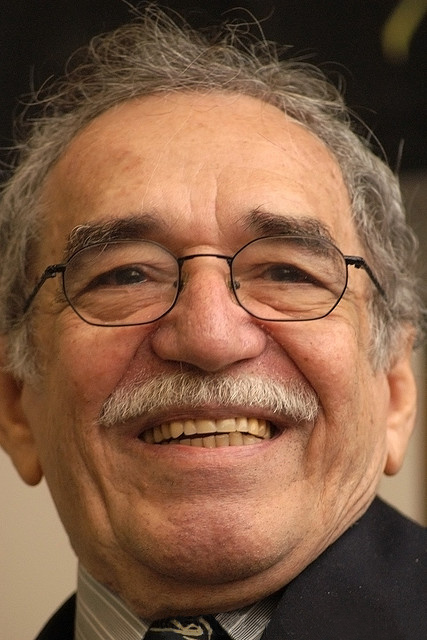

Overview and structure
The narrative centers on a disputed burial and the tensions that surround it in a small, insular town. Rather than presenting a single, linear viewpoint, the story unfolds through closely observed, shifting perspectives that blend personal memory, communal rumor and inward reflection. The condensed length and concentrated focus have led many readers and critics to classify it as a novella rather than a simple short story.
Characters and plot elements
At its core the book follows a family determined to give an unpopular outsider a proper burial despite local hostility. The specific identities and backstories of the characters are revealed in fragments, and the action is as much about the aftermath and meaning of death as about any single event. The town itself functions like a character: its collective memory, grudges and myths shape how the episode is told and remembered.
Themes and style
- Memory and history: personal recollection collides with public narrative.
- Solitude and community: the isolation of individuals versus the force of communal judgment.
- Narrative experimentation: multiple viewpoints, non‑linear time, and concentrated local detail.
While less overtly fantastic than some later works, the book contains early signs of the lyrical, mythic atmosphere that would come to define García Márquez's best‑known fiction.
Publication, reception and significance
Published in 1955, the work is notable for introducing the fictional setting of Macondo and for its stylistic experiments that anticipate the Latin American Boom. Its English translation in 1972 made this early work more accessible to a wider readership and invited new critical attention to the author's development. Today it is often read as a key step in García Márquez's career and as a compact study of how personal grief collides with communal memory.
For readers interested in the author's later, more expansive explorations of family, time and myth, Leaf Storm offers a concentrated introduction to those recurring concerns and the narrative techniques he continued to refine.
Related articles
Author
AlegsaOnline.com Leaf Storm (La hojarasca) — Gabriel García Márquez's 1955 novella Leandro Alegsa
URL: https://en.alegsaonline.com/art/56767