
Leadership of East Germany (German Democratic Republic)
Overview of the political leadership structure in the German Democratic Republic (GDR), its main institutions, leading figures, historical development and legacy from 1949 to 1990.
The leadership of the German Democratic Republic (GDR), commonly called East Germany, combined party control, state offices and security organs. From the republic's foundation in 1949 until German reunification in 1990, real political authority rested with the ruling Socialist Unity Party (SED). Formal state institutions often carried out and legitimized decisions made within the party leadership.
Image gallery
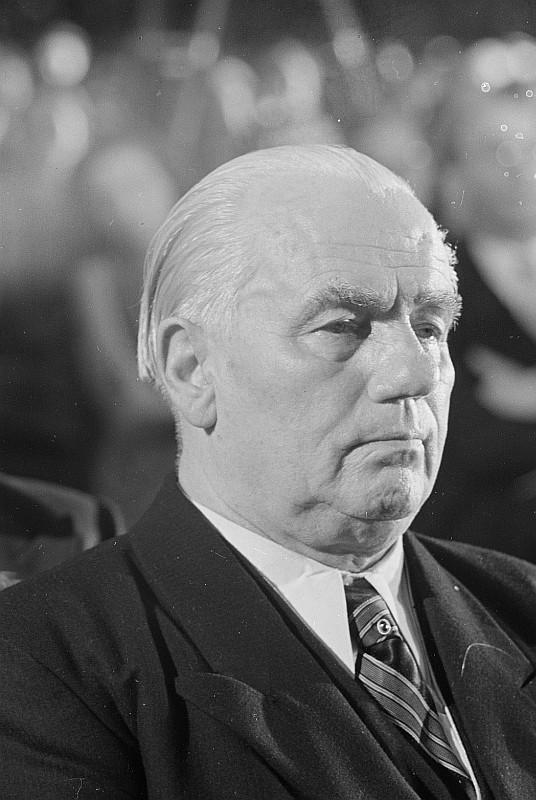
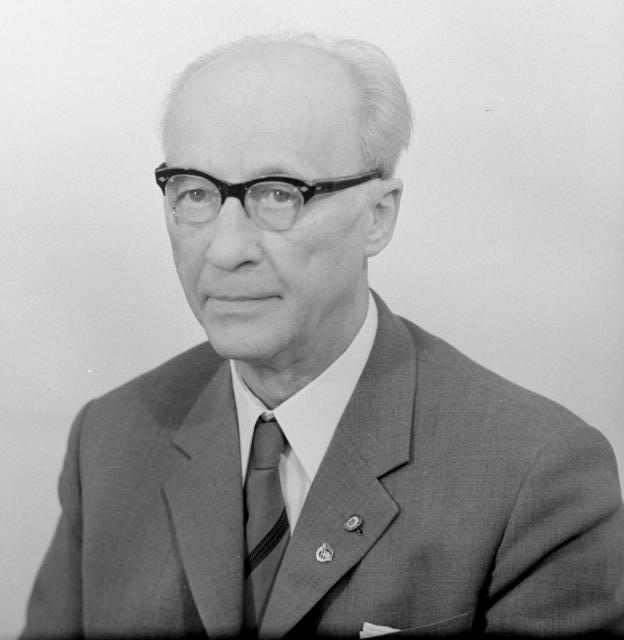
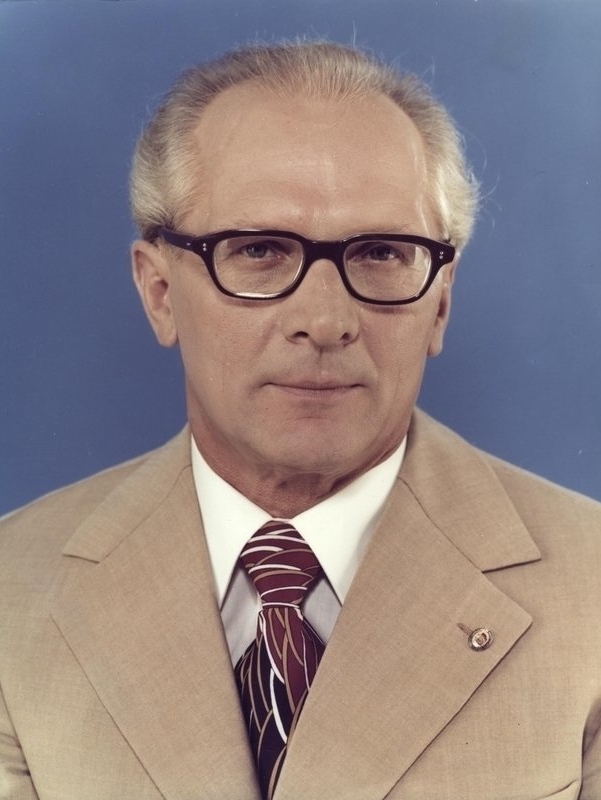
10 Images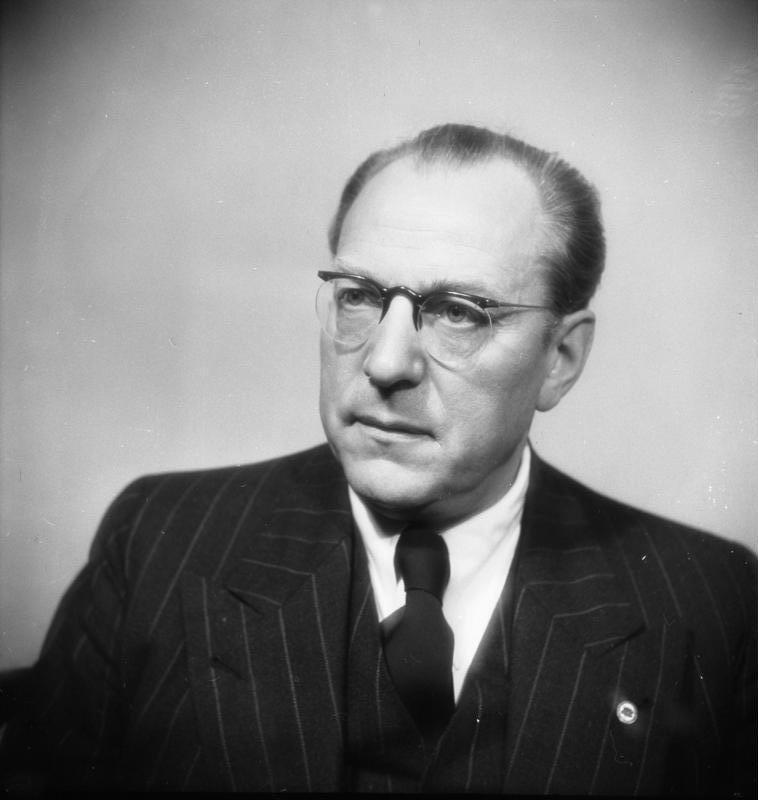






Key institutions and offices
- Socialist Unity Party (SED): the central organization. Its Politburo and Central Committee set policy; the party leader (First or General Secretary) was the most powerful figure.
- Council of State: a collective head-of-state body established after the presidency was abolished in 1960; it performed ceremonial and constitutional functions.
- Council of Ministers: the government cabinet responsible for administration and implementing economic and social policy.
- Volkskammer (People's Chamber): the nominal parliament whose elections and composition were controlled by the SED-led National Front.
- National Defense Council and State Security (Stasi): organs for military and internal security influence, ensuring regime stability and suppressing dissent.
Although the GDR maintained a set of state offices similar to other states, day-to-day power lay with party institutions. The party selected government ministers, parliamentary majorities and senior security officials. That centralization produced a system in which party position determined access to the state apparatus.
Development and leadership
Early GDR leadership included a formally elected president; after 1960 the presidency gave way to the Council of State. During the Cold War, GDR leaders operated within the broader influence of the Soviet Union. The leadership evolved through several long tenures—most notably Walter Ulbricht and Erich Honecker—followed by a brief succession of figures during the fall of 1989. Leadership transitions typically occurred through party organs rather than popular choice.
Notable figures and the 1989–1990 change
- Wilhelm Pieck served as the GDR's president in its early years.
- Walter Ulbricht shaped early state-building and Socialist policies.
- Erich Honecker led from the 1970s until the political upheavals of 1989.
- Egon Krenz and other officials presided over the brief final phase before reunification.
The leadership's legacy is mixed: it created a state with extensive social services and industrial structures while also enforcing one-party rule and pervasive surveillance. Mass protests and political change in 1989 precipitated resignations, reforms and eventual reunification with the Federal Republic of Germany in 1990. For more on institutional details and biographies of leading figures, see further reading.
Related articles
Author
AlegsaOnline.com Leadership of East Germany (German Democratic Republic) Leandro Alegsa
URL: https://en.alegsaonline.com/art/56748