
Lecompton Constitution (1857): Pro‑slavery draft for Kansas statehood
The Lecompton Constitution was a pro‑slavery draft for Kansas statehood (1857). Controversial voting, national politics, and competing constitutions shaped its defeat and the admission of Kansas as a free state.
Overview
The Lecompton Constitution was one of several competing plans to admit Kansas to the United States in the late 1850s. Drafted in 1857 by a convention dominated by pro‑slavery delegates, it proposed protecting slavery within the proposed state and excluding free Black people from certain civil rights protections. It was one of the four proposed constitutions that emerged during the chaotic territorial period, and its handling became a flashpoint in national politics.
Image gallery
2 Images
Key provisions and characteristics
The document contained clauses that would have enshrined slavery in the state constitution and limited rights for African Americans. Its language was designed to satisfy pro‑slavery interests in the South while presenting a legal framework for state government. Critics argued the convention that produced it did not represent the majority sentiment among actual settlers in the territory.
- Protected slavery and slaveholder interests.
- Excluded or limited civil and political rights for free Black people.
- Was advanced by a territorial legislature and convention meeting at Lecompton, a pro‑slave stronghold.
Political context and controversy
The Lecompton Constitution was drafted against a backdrop of violent and often fraudulent political activity in the border region. Pro‑slavery supporters from neighboring states—sometimes called bushwhackers or border ruffians—had intervened earlier to influence elections and territorial government. Many actual Kansas settlers favored free‑soil positions; they drafted rival documents such as the Topeka Constitution and later the Wyandotte Constitution. The Wyandotte document ultimately became the state constitution when Kansas entered the Union.
Voting, national reaction, and outcome
The territorial vote on the Lecompton Constitution was highly contested. Many anti‑slavery settlers boycotted the ballot in protest, arguing the process was rigged; reports of fraudulent returns and coercion reinforced those objections. When a popular vote was finally held, the people of the Kansas Territory rejected the Lecompton draft by a clear majority on January 4, 1858.
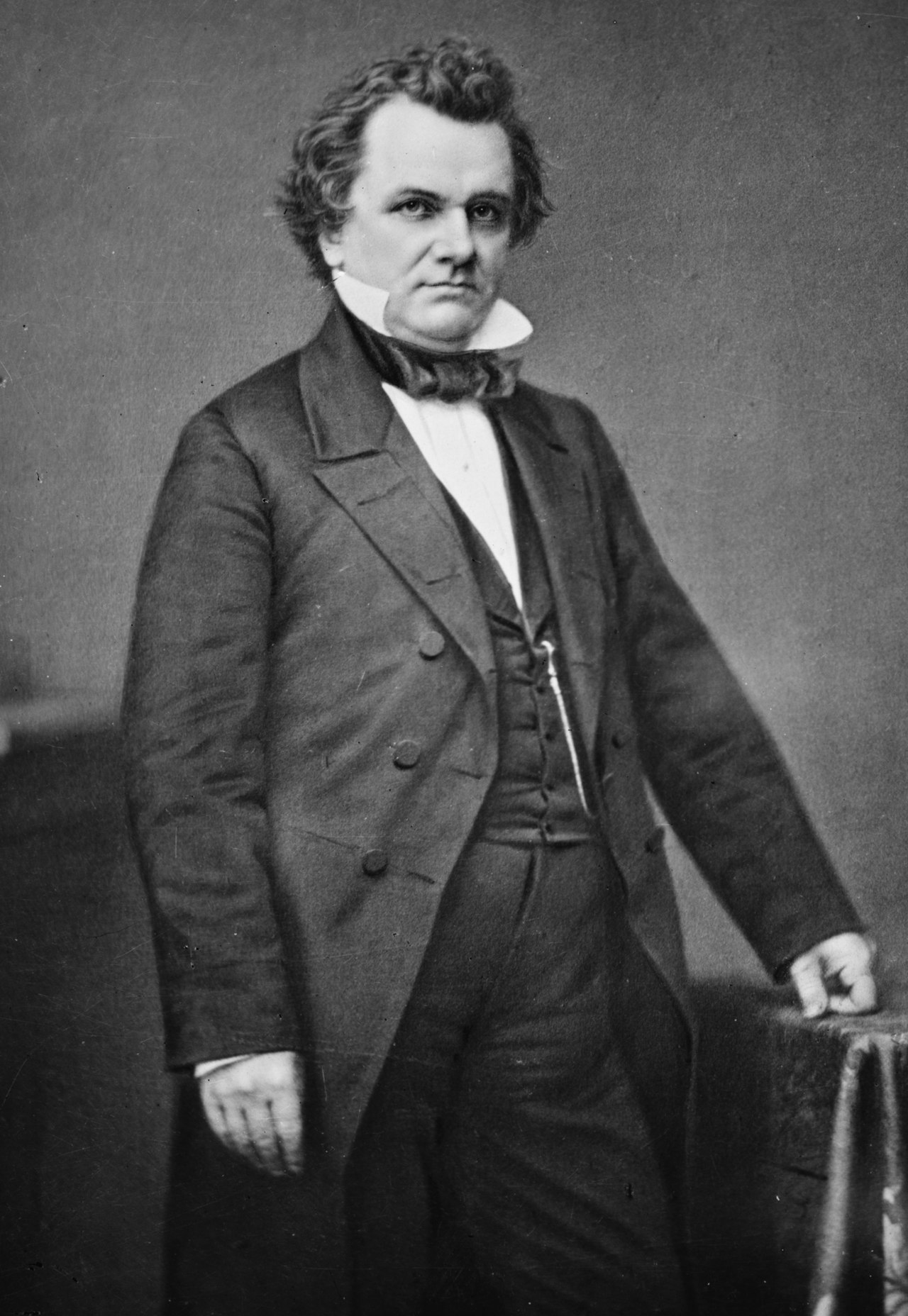
At the national level, President James Buchanan supported admission under Lecompton, gaining backing from Southern Democrats, while many Northern Democrats, led by Senator Stephen A. Douglas, broke with the administration and joined Republicans in opposing the measure. Territorial governor Robert J. Walker resigned in protest over the constitution’s unfair procedures and the pressure to enforce it.
Aftermath and significance
The rejection of the Lecompton Constitution and the defeat of its congressional advocates marked an important turning point. It exposed the extent to which sectional politics, electoral manipulation, and extraterritorial interference could distort territorial governance. The controversy deepened the national split between Northern and Southern Democrats and helped set the stage for the larger national crisis over slavery in the years before the Civil War.
Related drafts and notable facts
Besides Lecompton, Kansas saw several competing constitutions: the earlier Topeka draft, the later Leavenworth proposal, and the winning Wyandotte document. Many delegates and leaders identified as free‑state or pro‑slavery, reflecting the territory’s divided loyalties. The Lecompton episode remains a widely cited example of how local conflicts and national partisan battles over slavery could interact to shape American constitutional and political development.
Questions and answers
Q: What was the Lecompton Constitution?
A: The Lecompton Constitution was one of four proposed constitutions for the state of Kansas. It was written by pro-slavery people and included parts to allow slavery in the state, as well as exclude free blacks from its bill of rights.
Q: How did it become defeated?
A: The Lecompton Constitution was rejected on January 4, 1858 by a majority of voters in the Kansas Territory. This showed the unusual and fraudulent voting practices that had been used earlier by bushwhackers and border ruffians to create a state constitution allowing slavery.
Q: What other constitutions were written before or after the Lecompton Constitution?
A: Before the Lecompton Constitution, there was the Topeka Constitution which was written by James H. Lane and other free-state people. Afterward, there were two more constitutions written - Leavenworth and Wyandotte Constitutions - with Wyandotte becoming the Kansas state constitution in response to Topeka's anti-slavery document.
Q: Who wrote this document?
A: The Lecompton Constitution was written by pro-slavery people who met at the chosen capital of Lecompton in September 1857 for this purpose. Most actual settlers at this time were anti-slavery so they boycotted voting on it.
Q: Who supported it when it went to Congress?
A: When sent to Congress, President James Buchanan supported it due to his pro-slavery views while receiving support from Southern Democrats; however, many Northern Democrats led by Stephen A Douglas voted against it along with Republicans due to its unfairness.
Q: Who opposed it when it went to Congress?
A: When sent to Congress, many Northern Democrats led by Stephen A Douglas voted against it along with Republicans due to its unfairness while President James Buchanan supported due his pro-slavery views despite opposition from Territorial governor Robert J Walker who quit being governor so he did not have enforce such an unfair document .
Related articles
Author
AlegsaOnline.com Lecompton Constitution (1857): Pro‑slavery draft for Kansas statehood Leandro Alegsa
URL: https://en.alegsaonline.com/art/56858
Sources
- millercenter.virginia.edu : "Key Events in the Presidency of James Buchanan"