
Le Transloy — commune in Pas-de-Calais, northern France
Le Transloy is a small commune in the Pas-de-Calais department in northern France, known for its rural character and its role in World War I history during the Battle of the Somme.
Overview
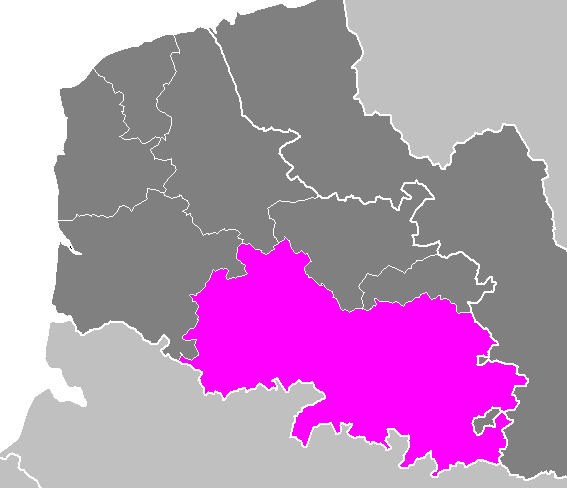
Le Transloy is a rural commune in the north of France. It lies within the Pas-de-Calais administrative department and is part of the historical region often referred to as Nord-Pas-de-Calais. Since the 2016 territorial reform this area belongs to the larger Hauts-de-France region; for regional context see regional history.
Image gallery
2 Images
Geography and administration
The village sits in a largely agricultural landscape characteristic of northern French plains. Administratively it is governed under the Pas-de-Calais department, with local municipal structures managing community services; further administrative information can be found via a department notice page. The commune is one of many small population centres that form the rural fabric of France.
History
Le Transloy is best known for its association with the First World War. The area around the village was the scene of fierce fighting during the later stages of the 1916 Battle of the Somme, an episode often referred to as the Battle of Le Transloy (October 1916). Like many nearby settlements it suffered extensive damage and was later rebuilt. The wartime history remains visible in local memorials and Commonwealth war cemeteries.
Landmarks and local life
The commune today retains a quiet, agricultural character. Points of local interest generally include war memorials, cemeteries, and the rebuilt village core typical of communities that experienced major conflict in the early 20th century. Visitors often come for battlefield tourism, remembrance, and to study the landscape that shaped historical operations.
Notable facts
- Le Transloy lends its name to an action during the Battle of the Somme and is therefore of interest to military historians and descendants tracing wartime records.
- The settlement illustrates post-war reconstruction in northern France and the continuing commemoration of First World War sites.
For administrative details, maps, and visiting information consult local and departmental resources via the links above. The village remains a small but significant point on the map for those studying regional history, rural life, and the legacy of the Great War.
Related articles
Author
AlegsaOnline.com Le Transloy — commune in Pas-de-Calais, northern France Leandro Alegsa
URL: https://en.alegsaonline.com/art/56705