
Le Vaud — municipality in the district of Nyon, canton of Vaud, Switzerland
Le Vaud is a small Swiss municipality in the district of Nyon, canton of Vaud. It combines rural character and commuter residence, with local governance, landscape, and proximity to Nyon and Lake Geneva.
Le Vaud is a municipality in western Switzerland located in the municipal network of the district surrounding Nyon, within the canton of Vaud and the country of Switzerland. It is a small local community that combines elements of traditional rural life with the influences of nearby urban centers.
Image gallery
3 Images

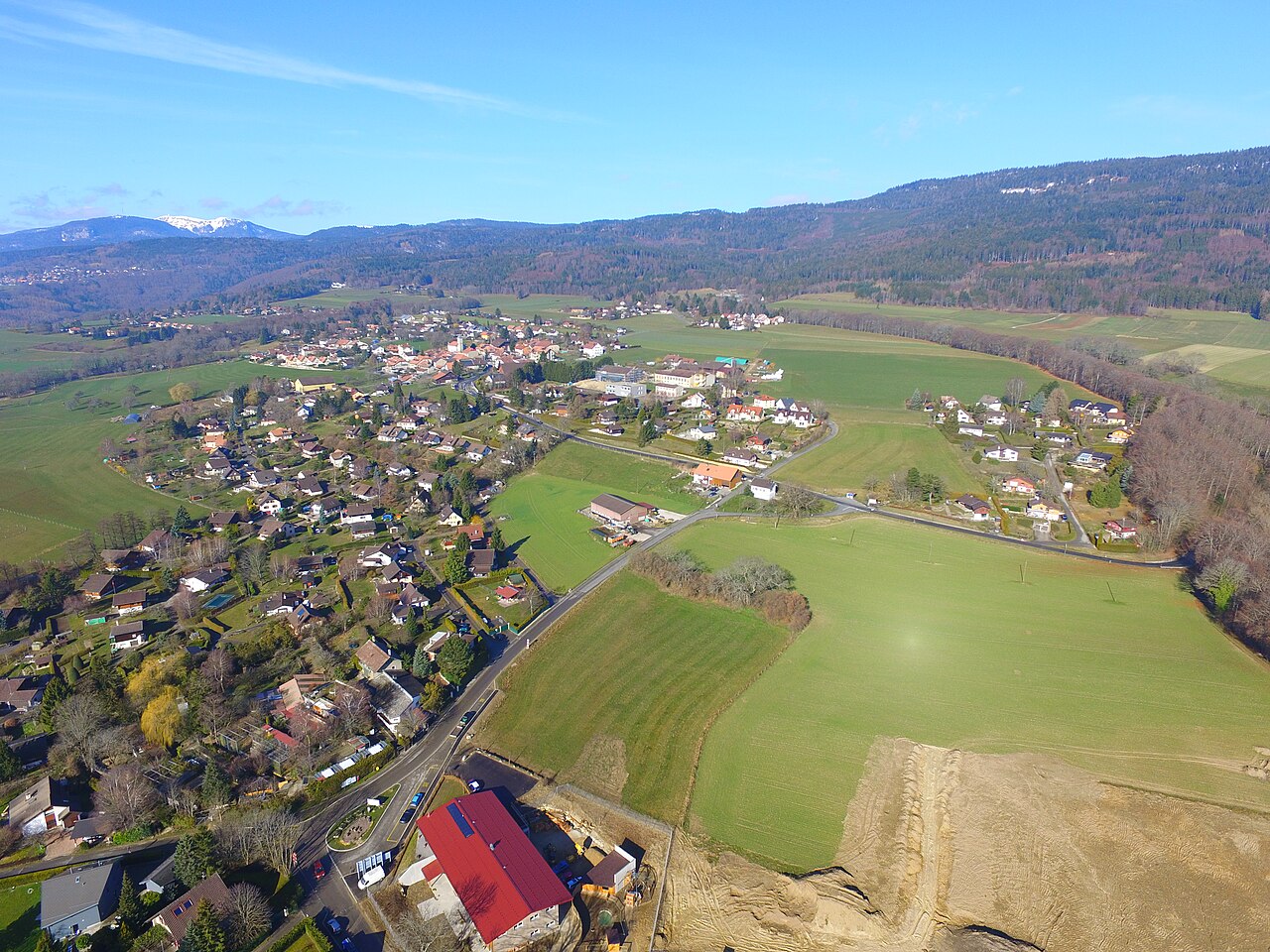
Overview and setting
Set in a region known for rolling hills and views toward Lake Geneva, Le Vaud has a chiefly residential and agricultural character. Its landscape typically includes cultivated fields, woodland patches and villages that reflect regional architectural styles. The municipality benefits from its location within commuting distance of larger towns, while retaining a quieter village atmosphere.
History and development
The settlement pattern in Le Vaud follows a common Swiss trajectory: agricultural origins, gradual growth, and adaptation to modern commuting and service economies. Historic buildings and local farms testify to longstanding rural traditions; in recent decades residential development has increased as people working in nearby urban centres choose to live in smaller communities.
Administration and community life
As a Swiss commune, Le Vaud is administered by a municipal council responsible for local services, planning and cultural life. Community activities often revolve around local associations, seasonal events and outdoor recreation. Residents typically rely on nearby Nyon and other towns for larger services, education and healthcare.
Transport, economy and attractions
- Transport: local roads link the municipality to regional rail and road networks serving Nyon and the Geneva region; many inhabitants commute to nearby towns.
- Economy: a mix of small-scale agriculture, local services and commuter households forms the economic base.
- Attractions: scenic views, walking routes and traditional village features make Le Vaud representative of rural Vaud life.
For visitors or those researching local governance, Le Vaud represents a typical small Swiss municipality where regional ties, landscape and local tradition shape daily life. Further administrative and practical information is available from the municipality and canton authorities.
Related articles
Author
AlegsaOnline.com Le Vaud — municipality in the district of Nyon, canton of Vaud, Switzerland Leandro Alegsa
URL: https://en.alegsaonline.com/art/56710
Sources
- bfs.admin.ch : "Arealstatistik Standard - Gemeinden nach 4 Hauptbereichen"
- bfs.admin.ch : "Ständige Wohnbevölkerung nach Staatsangehörigkeitskategorie Geschlecht und Gemeinde; Provisorische Jahresergebnisse; 2018"