
Lawrenceville School: Overview, History, Campus, and Student Life
Independent boarding and day college-preparatory school in Lawrenceville, New Jersey, founded 1810. Known for The Circle campus, residential house life, selective academics, and coeducation since 1987.
The Lawrenceville School is an independent boarding and day college-preparatory institution located near Trenton in the state of New Jersey. Founded in 1810 by Isaac Van Arsdale Brown as the Maidenhead Academy, the school serves upper secondary students and is widely recognized for its historic campus plan, academic programs, and full residential life. Operated as a nonprofit independent school, Lawrenceville seeks to prepare students for higher education and leadership through a combination of classroom instruction, faculty mentorship, and extracurricular engagement.
Image gallery
9 Images


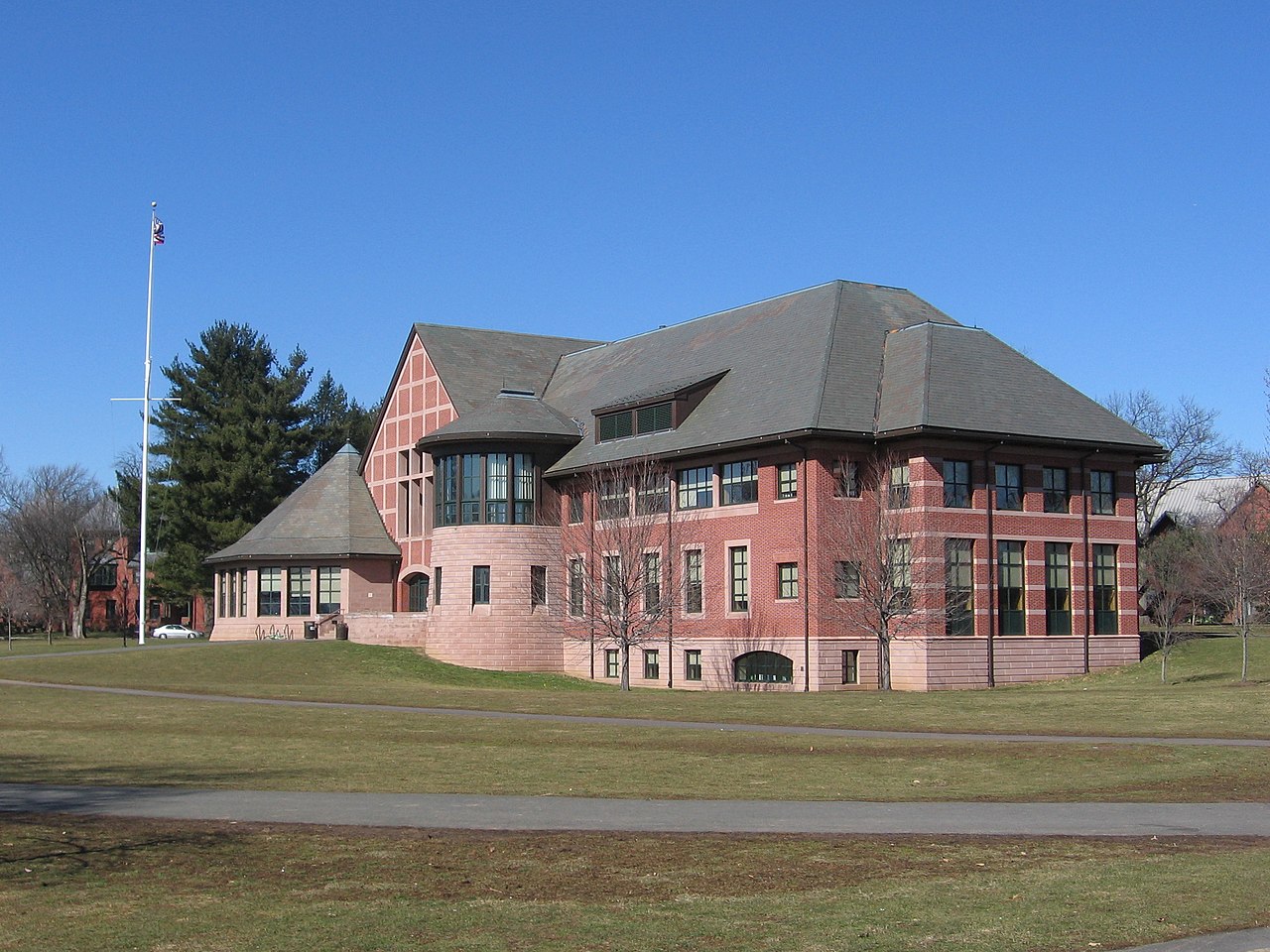


Campus and organization
The campus features a mix of historic and more recent buildings arranged around formal greens and paths, anchored by a well-known circular plan often called "The Circle." Academic buildings, dormitories, arts studios, music and theatre facilities, dining halls, and athletic fields support a robust boarding program. Residential life is organized around houses or dorm communities that foster small-group living, student leadership, and regular faculty involvement in after-class activities. Campus resources typically include science laboratories, libraries, art studios, and athletic venues that support a broad curriculum and co-curricular life.
History
Established in the early 19th century, the institution grew from a local academy into a nationally recognized preparatory school over the course of the 19th and 20th centuries. It adopted the name Lawrenceville School as it expanded and consolidated its campus. A significant institutional shift occurred in 1987 when the school moved from a single-sex male student body to a coeducational model, reflecting broader trends in American secondary education toward inclusive residential programs.
Academics and student life
Lawrenceville offers a college-preparatory curriculum that includes humanities, laboratory sciences, mathematics, foreign languages, and the arts. Students combine required courses with electives and may pursue advanced-level work or independent study projects. Evening study periods, faculty advisers, and structured house activities contribute to a 24-hour learning environment typical of residential schools. Extracurricular opportunities commonly include interscholastic athletics, performing arts, student publications, debate and academic teams, outdoor education, and community service programs.
Admissions, costs and support
- Admissions are selective; the student body typically includes both boarding and day students from the region, nation, and abroad.
- Tuition and fees for boarding students are substantial. Published charges have included a boarding tuition figure in the low fifty-thousands of dollars plus additional mandatory fees for medical services, technology, and optional tuition-refund insurance.
- The school generally offers financial aid and scholarship programs to assist qualified families; policies and availability vary by year and are explained by the institution.
Lawrenceville maintains a reputation for rigorous academics, a broad co-curricular program, and an active alumni community with former students in business, public service, the arts, and sciences. Prospective students and families should consult official resources for the most current information on programs, admissions, and costs: boarding information, academic programs, regional details about the school's location in New Jersey, and official school contacts and statements via the school's site.
Related articles
Author
AlegsaOnline.com Lawrenceville School: Overview, History, Campus, and Student Life Leandro Alegsa
URL: https://en.alegsaonline.com/art/56454
Sources
- lawrenceville.org : "Tuition and Financial Aid - The Lawrenceville School - Private Boarding & Day School - The Lawrenceville School"