
Lecture (oral presentation and instructional talk)
An explanatory talk delivered to a group, commonly used in education and public events; covers purpose, structure, formats, and notable distinctions.
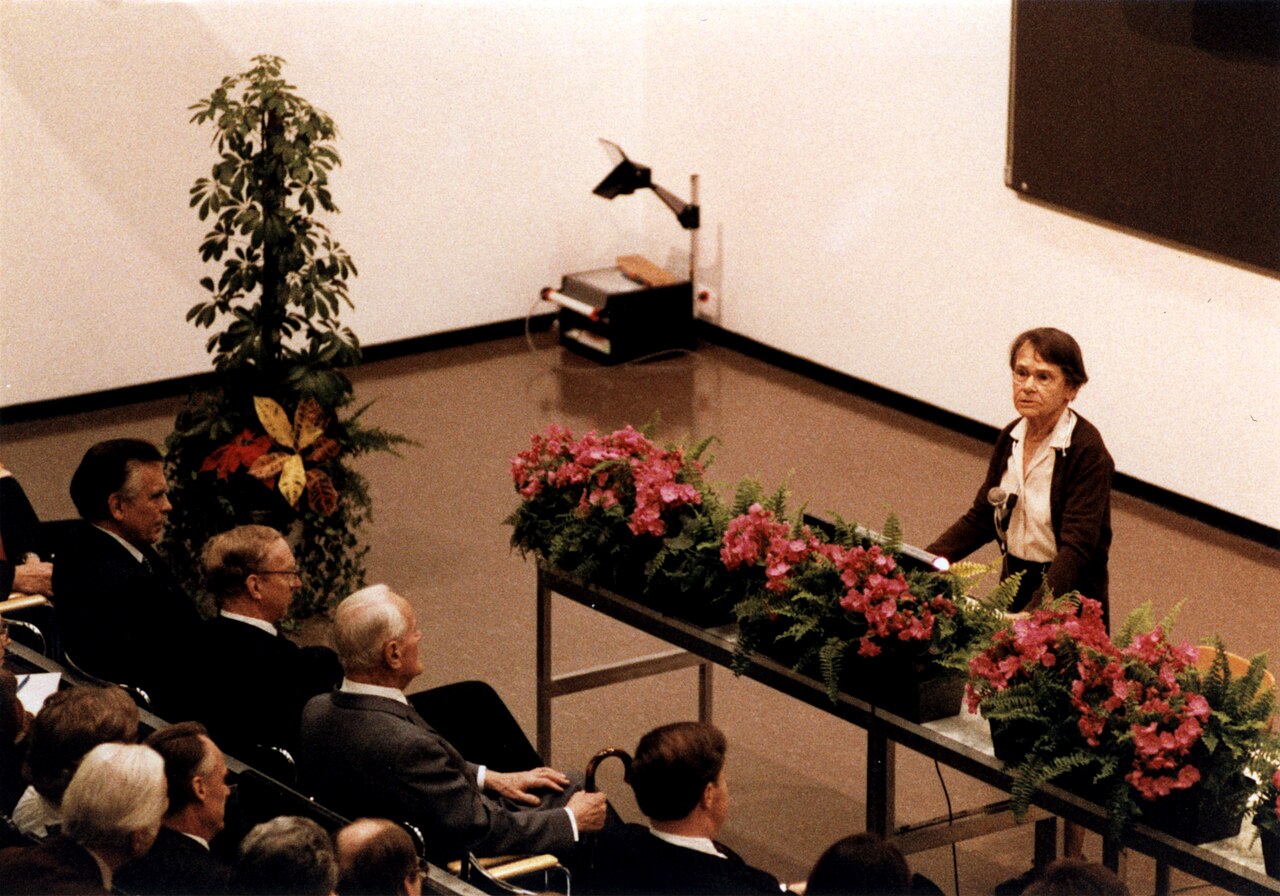
A lecture is an oral presentation given to an audience to explain, inform, or argue about a particular subject. It is a common method of teaching and public communication: in many settings it plays the role of a structured lesson that conveys core concepts, background, and examples in a single session. While lectures are closely associated with formal education, they also occur at conferences, professional meetings, and community events.
Image gallery
9 Images



Typical structure and roles
Most lectures follow a predictable shape: an introduction that outlines goals, a main body that presents evidence or demonstrations, and a closing that summarizes key points. The person who prepares and delivers the talk is usually called the lecturer, instructor, or speaker. Depending on the event, a lecture may end with a period for questions and discussion, where the audience can seek clarification or comment.
Formats and settings
Lectures appear in a variety of formats. In higher education — for example in college or university classrooms — large-group lectures are often complemented by smaller seminars or tutorials. Guest lectures and keynote addresses are common at conferences. With digital technology, many lectures are now delivered online, recorded for later viewing, or included in open courses and MOOCs, making the format more flexible.
Characteristics and best practices
- Clear organization: signposted sections and explicit learning objectives help listeners follow the argument.
- Engagement: examples, demonstrations, and occasional questions keep attention high.
- Supporting materials: slides, handouts, or readings extend what can be covered in a single talk.
- Accessibility: pacing, clear language, and accommodations make lectures usable by diverse audiences, including students with different needs.
Uses, advantages, and limitations
Lectures are efficient for transmitting information to many people at once and for presenting a coherent overview of a topic. They are useful for introducing new material and for highlighting connections across a field. However, traditional lectures can be passive; educators often combine them with interactive activities, problem-solving sessions, or assessments to promote deeper learning.
In everyday language, "to give someone a lecture" can also mean to scold or reprimand them for misbehavior — a figurative usage distinct from the educational sense. Whether in a classroom, a conference hall, or online, lectures remain a foundational form of public communication and instruction when designed to inform, persuade, or inspire.
Related articles
Author
AlegsaOnline.com Lecture (oral presentation and instructional talk) Leandro Alegsa
URL: https://en.alegsaonline.com/art/56862