
Law & Order (American television series)
American police procedural and courtroom drama created by Dick Wolf; premiered 1990, long-running format split between investigation ('Law') and prosecution ('Order').
Overview
Law & Order is an American television series that blended police procedural storytelling with courtroom drama. Created by producer Dick Wolf, the show debuted in 1990 and ran for two decades before ending its original run in 2010; it was later revived. Episodes typically present a single crime and follow both the investigation and the criminal prosecution, exploring criminal investigations, evidentiary rules and ethical dilemmas faced by prosecutors and detectives.
Image gallery
2 Images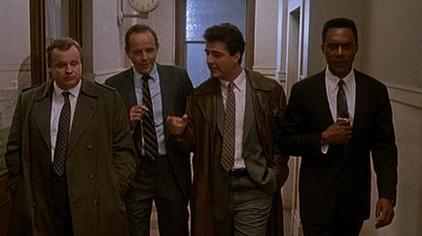

Format and characteristics
The series is known for a distinctive two-part structure. The first half focuses on police work: crime scene examination, witness interviews and arrest. The second half shifts to the district attorney's office, depicting charging decisions, grand jury proceedings and trials. This split — often described informally as the "Law" and the "Order" halves — foregrounds both investigative technique and legal procedure, including plea bargaining, suppression hearings and jury deliberations.
Production and style
Episodes often opened with a brief, atmospheric cold open and moved at a brisk pace. Writers frequently drew inspiration from recent news events, a practice popularly called "ripped from the headlines," which allowed the series to confront topical social and legal issues while changing identifying details. The show used an ensemble cast that rotated over the years; notable performers included long-running leads and guest stars whose appearances reinforced the series' realism and variety.
History and development
The program premiered on NBC and became one of the most durable American primetime dramas. Its success spawned an expanded franchise, including several spin-offs and international adaptations, and it helped popularize a format that balances police procedure with courtroom dynamics. A number of producers, writers and directors cycled through the series, refining its procedural authenticity and courtroom storytelling over time.
Impact and legacy
Law & Order is frequently cited for influencing later crime dramas and legal shows. It introduced or reinforced television conventions — such as rapid case resolution within a single episode and a focus on institutional perspectives (police and prosecution). The show's headline-inspired plots sometimes provoked public debate about dramatizing real crimes and the ethical responsibilities of television creators. Its franchise includes programs that continued to explore specialized subject matter and victim-centered stories.
Notable features and distinctions
- Two-part narrative splitting investigation and trial, which emphasized both factual inquiry and legal process.
- Use of current events as creative prompts, adapted to fit dramatic needs while avoiding direct replication.
- Ensemble casting with recurring characters in both the police and the district attorney's offices.
- Spawned spin-offs and a production model that other procedural dramas emulated.
For more context and episode guides, see related resources: series overview, episode lists, spin-off information and production notes. The program's combination of topicality, procedural detail and courtroom drama remains a reference point for writers and producers working in crime and legal television.
Related articles
Author
AlegsaOnline.com Law & Order (American television series) Leandro Alegsa
URL: https://en.alegsaonline.com/art/56399