
Leave It to Beaver: American family sitcom and cultural touchstone
Overview, characters, production, themes, reception and legacy of Leave It to Beaver, the American sitcom that followed the Cleaver family and shaped depictions of 1950s–60s suburban childhood.
Overview
Leave It to Beaver is an American television sitcom known for its portrayal of a middle-class suburban family in the late 1950s and early 1960s. The show originally aired from October 7, 1957, to June 20, 1963, and presented an episodic, family-centered format typical of the era sitcom series. Each instalment focused on everyday dilemmas and the consequences of childhood mistakes.
Image gallery
4 Images
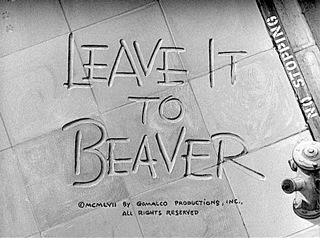


Main cast and recurring characters
- Jerry Mathers as Theodore "Beaver" Cleaver — Jerry Mathers played the inquisitive younger son.
- Tony Dow as Wally Cleaver — the older brother, played by Tony Dow.
- Barbara Billingsley as June Cleaver — the archetypal mother, portrayed by Barbara Billingsley.
- Hugh Beaumont as Ward Cleaver — the father and moral guide, played by Hugh Beaumont.
Semi-regulars and neighborhood figures included friends and classmates who added comic contrast and complications: Ken Osmond (Eddie Haskell), Frank Bank (Lumpy), and Sue Randall (Miss Landers), among others.
Premise and themes
The series centered on Beaver's misadventures at home, at school, and around town. Episodes usually began with an incident — a lie, a prank, or a misunderstanding — and followed through to a resolution where parents or teachers explained the mistake. This steady moral framework, influenced by the writers' own experiences, placed emphasis on lessons about honesty, responsibility and human fallibility (typical episode structure).
Production and broadcast history
Created by writers who drew on family life, the show was filmed in a straightforward, realistic style that emphasized sets and domestic detail. It ran for six seasons and entered syndication quickly after its network run ended; success in reruns kept it visible to later generations. Critics and viewers noted its gentle, nostalgic tone and resemblance to classic American boyhood stories (critical reception).
Legacy, adaptations and cultural impact
Leave It to Beaver became a cultural touchstone for portrayals of 1950s domestic life. Characters such as Eddie Haskell became shorthand in popular culture for a duplicitous friend. The series inspired retrospectives, academic interest in television's role in shaping family ideals, and a 1997 film adaptation that reimagined the Cleaver family for a contemporary audience (1997 film). It frequently appears on lists of influential television shows and remains a reference point in discussions about midcentury American values.
Notable facts and distinctions
- The show emphasized consequences and parental guidance rather than punishment, making instruction central to each plot.
- Writers sought realism by basing plots on actual childhood incidents, aiming for authenticity rather than slapstick.
- Despite its idealized setting, the series is often studied for what it reveals about gender roles and suburban life in postwar America.
Together, these elements explain why Leave It to Beaver endures as both entertainment and a subject for cultural analysis. For more detailed cast, episode lists, and historical context see primary resources and archives linked above.
Questions and answers
Q: What is the name of the television sitcom series?
A: The television sitcom series is called Leave It to Beaver.
Q: When did it first air?
A: Leave It to Beaver first aired from October 7, 1957 to June 20, 1963.
Q: Who are the main characters in the show?
A: The main characters in Leave It to Beaver are Jerry Mathers as "Beaver"; Tony Dow as his older brother Wally; Barbara Billingsley as his mother June Cleaver; and Hugh Beaumont as his father Ward Cleaver.
Q: What is the show about?
A: Leave It to Beaver follows Beaver's adventures at home, in school, and around his neighborhood. Writers Bob Mosher and Joe Connelly based Beaver's adventures on the exploits of their own children. In most episodes, Beaver would get into trouble and learn a lesson from his parents.
Q: How was the show received by critics and viewers?
A: Critics and television viewers adored Leave It to Beaver with Variety comparing it to Tom Sawyer. Websites like Time and Bravo placed the series at the top of their "best of television" lists. In 1999, TV Guide ranked Eddie Haskell number 20 on its "50 Greatest TV Characters of All Time" list.
Q: Was there a movie made based on this series?
A: Yes, a movie based on Leave It to Beaver opened in theaters in 1997 with the same name.
Related articles
Author
AlegsaOnline.com Leave It to Beaver: American family sitcom and cultural touchstone Leandro Alegsa
URL: https://en.alegsaonline.com/art/56811