
Arlington Heights, Illinois
Suburban village northwest of Chicago in Cook County; a large, family-oriented community with commuter rail service, parks, retail centers and a history shaped by rail and horse racing.
Arlington Heights is a village in Cook County in the U.S. state of Illinois. A residential and commercial suburb of Chicago, it lies roughly 25 miles (40 km) northwest of the city's downtown. According to the 2010 census the population was 75,101. Arlington Heights is often cited as the largest incorporated community in the United States officially classified as a "village."
Image gallery
10 Images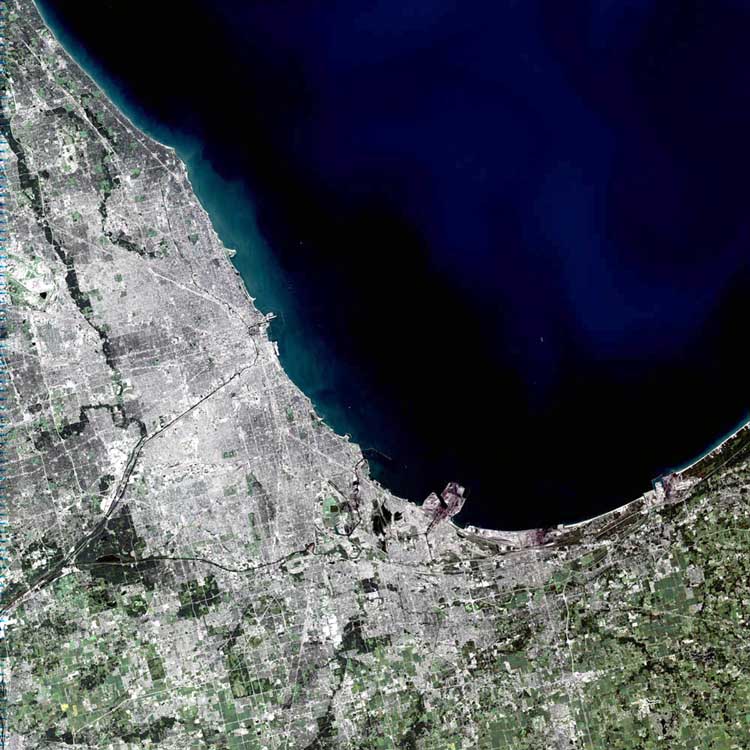




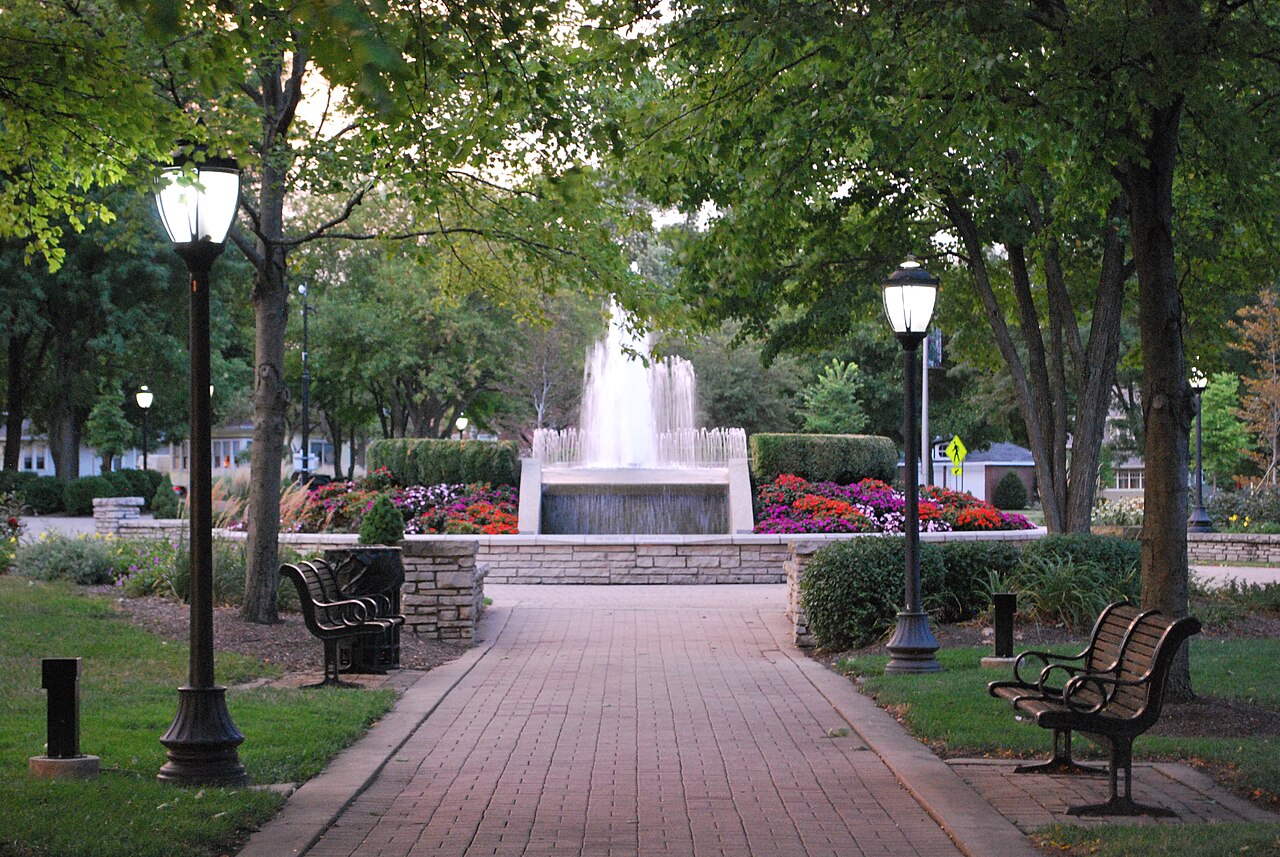
Overview and character
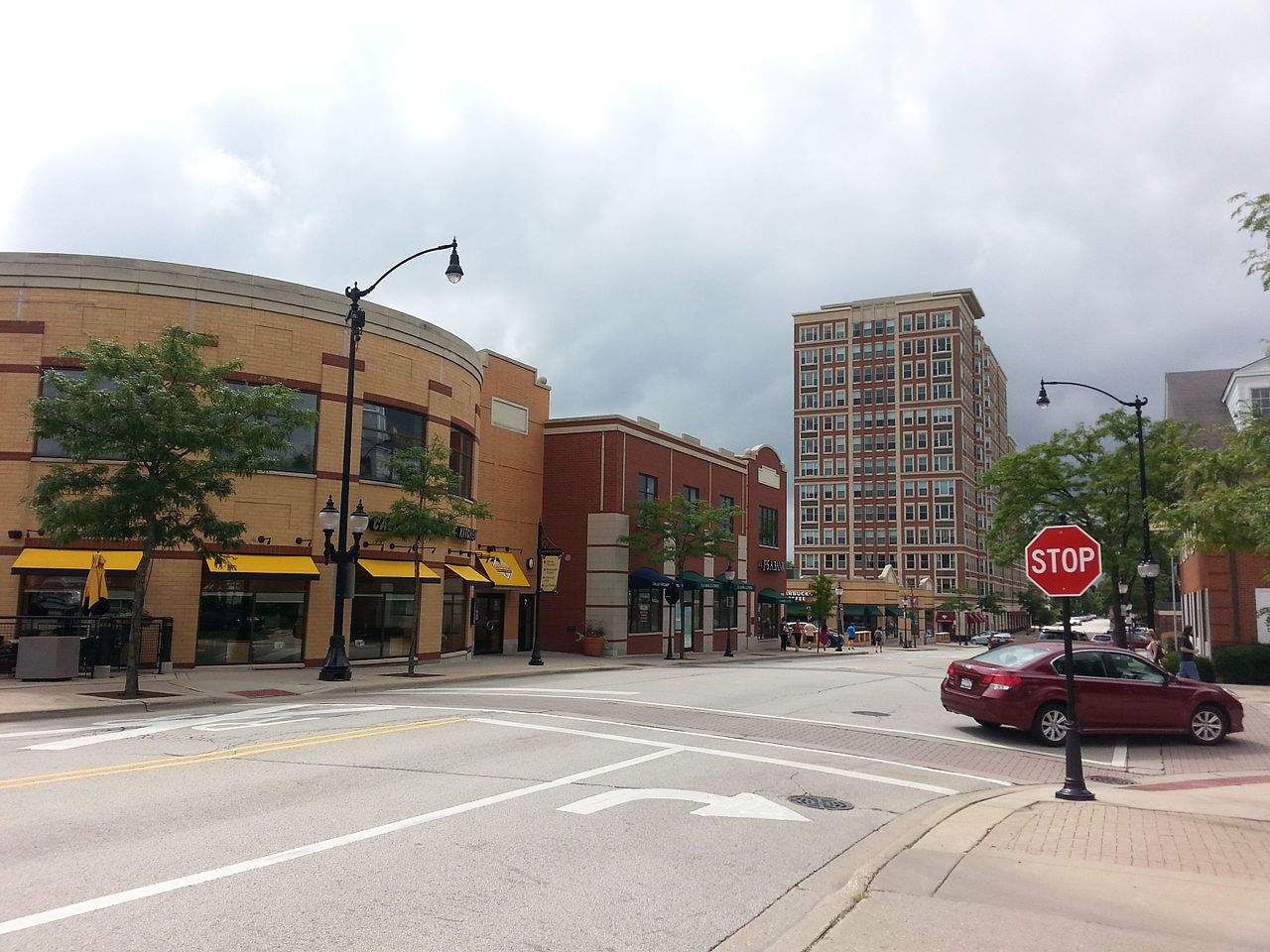
The community combines a dense, walkable downtown near its commuter rail station with more residential neighborhoods of single-family homes and apartment areas. Local institutions such as public libraries, arts organizations, and community centers provide cultural and recreational programming. Annual festivals, farmers markets and a mix of independent shops and larger retailers contribute to a suburban downtown identity while serving surrounding neighborhoods.
History and development
Settlement began in the 19th century as an agricultural area that gradually suburbanized with the arrival of rail service and later improved roads. Over the 20th century Arlington Heights expanded through residential construction, commercial redevelopment, and the growth of civic institutions. For much of the 20th century the community was associated with a prominent horse-racing track that drew regional attention; in recent years the racetrack site and other large parcels have been part of redevelopment and planning discussions.
Transportation
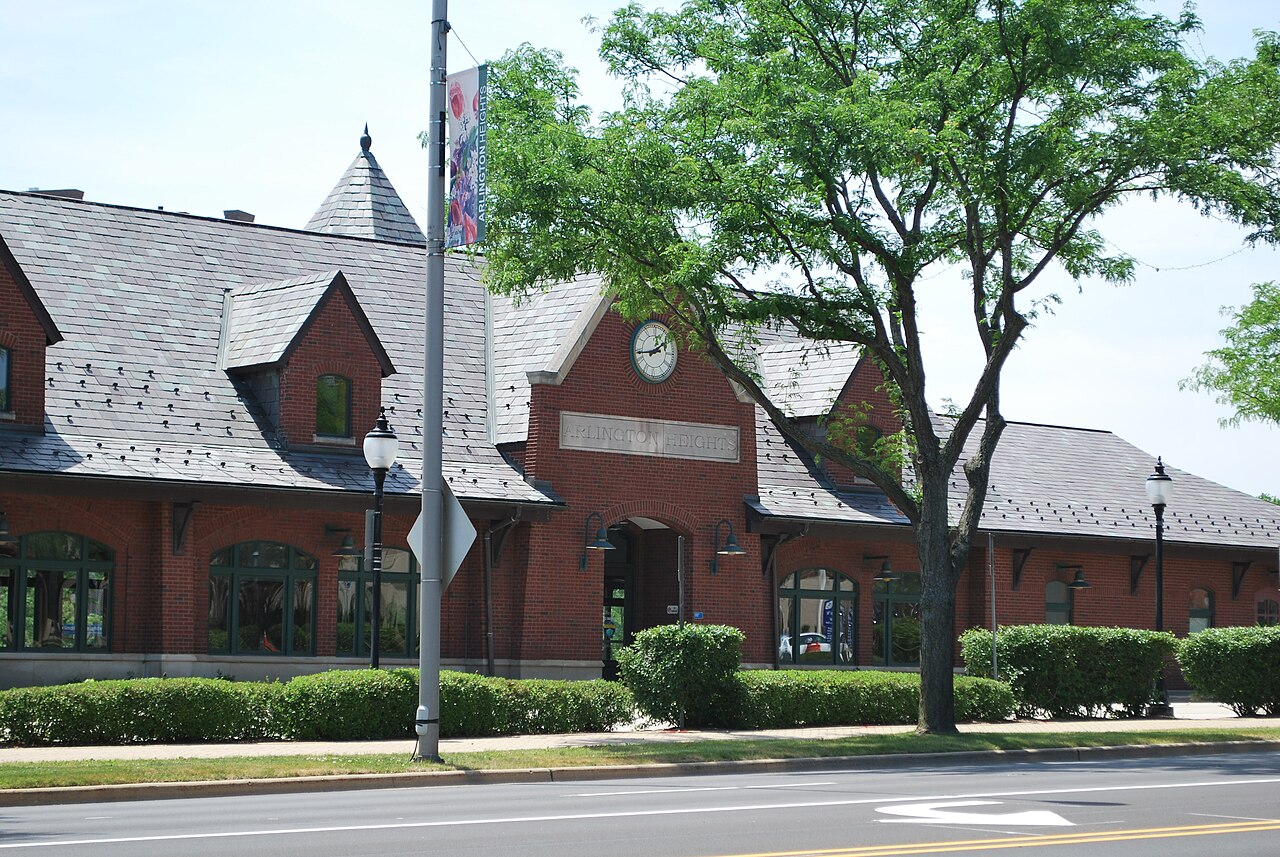
- Commuter rail: A Metra station on the commuter line provides regular service to downtown Chicago, making the village a major residential base for commuters.
- Roads and airports: Arterial roads and nearby expressway connections link the village to the wider metropolitan area and to O'Hare International Airport.
- Local transit and active travel: Local bus routes, bike lanes in parts of town and pedestrian-oriented corridors around downtown support non-automobile travel.
Economy, education and services
Arlington Heights supports a diverse local economy made up of retail centers, professional services, restaurants and small manufacturing. Public education is provided by several school districts and is complemented by private and parochial schools; a public library system and parks departments operate year-round programs. Health care, professional offices and regional retail draw shoppers and workers from nearby suburbs as well as village residents.
Parks, recreation and culture
The village maintains an extensive park system with playgrounds, sports fields and community recreation centers. Cultural venues, performing arts groups and historic sites contribute to civic life. The downtown area around the rail station is a focal point for dining and cultural events, and civic festivals are important annual gatherings that reflect local identity.
Governance and planning
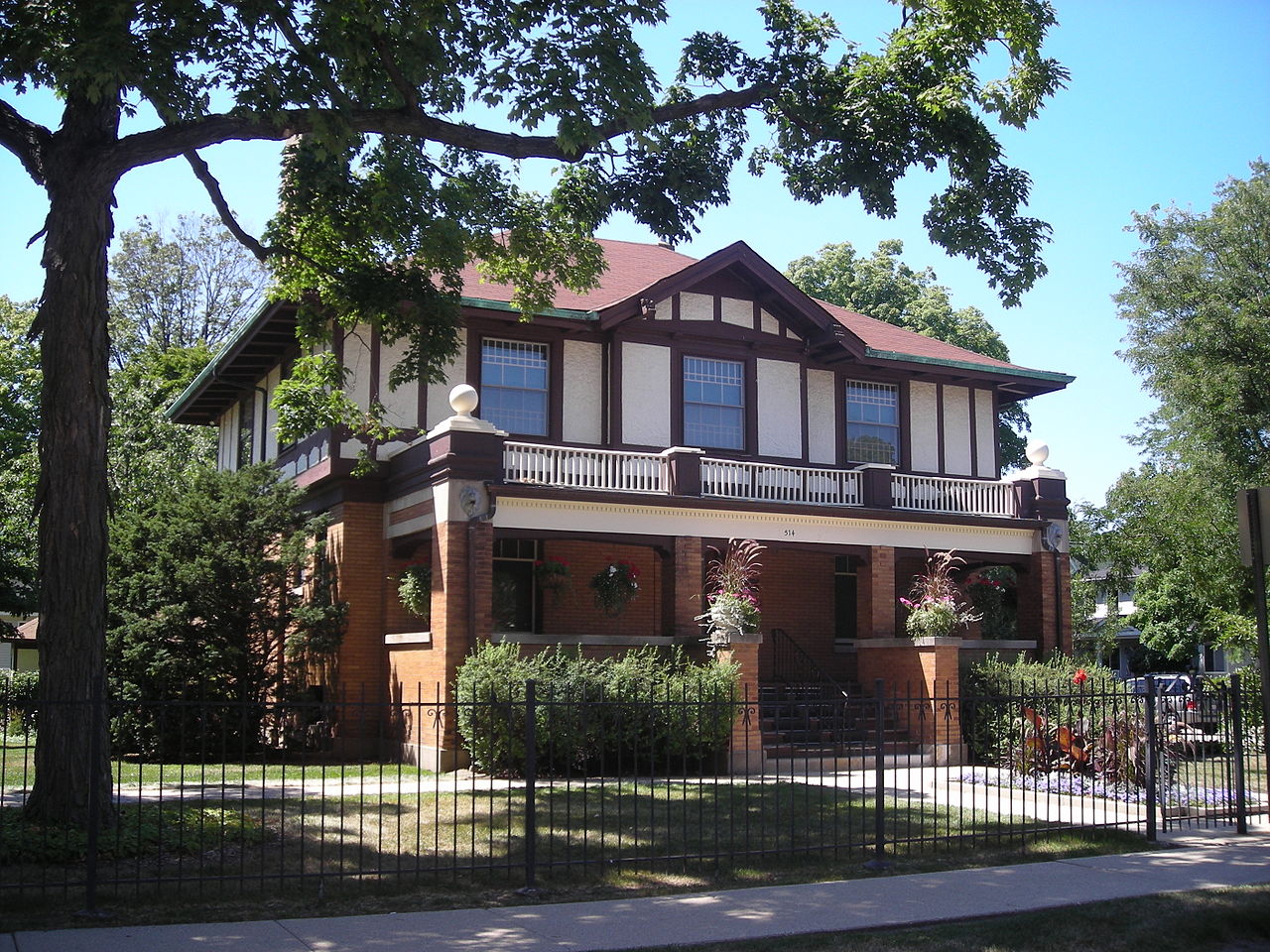
Arlington Heights is governed by a village board and municipal administration that oversee land use, public safety, utilities and local services. In recent decades planning efforts have emphasized transit-oriented development near the train station, preservation of historic neighborhoods, and balancing commercial growth with residential quality of life.
Notable facts
- The village has long been recognized as one of the largest U.S. municipalities officially designated a "village."
- Its commuter connections to Chicago have shaped residential growth and local commerce.
- Historic and redevelopment sites, including the former major racetrack, continue to influence planning and economic discussion.
For more information about local government, visitor services and civic institutions see municipal and regional resources linked through county and state portals: Cook County, state and Illinois pages, or local guides to the suburb and the Chicago metropolitan area. Historical and statistical references include federal and state data collections such as the 2010 census.
Related articles
Author
AlegsaOnline.com Arlington Heights, Illinois Leandro Alegsa
URL: https://en.alegsaonline.com/art/5625
Sources
- usmayors.org : "Arlington Heights Mayor (Andrew Robinson) Promotes Downtown Revival"
- quickfacts.census.gov : "Arlington Heights (village) QuickFacts from the US Census Bureau"