
Late Show with David Letterman
American late-night talk show hosted by David Letterman on CBS from 1993 to 2015, known for its comedy monologues, recurring bits, the CBS Orchestra, and high-profile guests and cultural moments.
Overview
The Late Show hosted by David Letterman was a landmark American late-night television program broadcast on CBS. It premiered on August 30, 1993 and ran until May 20, 2015. The program combined a stand-up monologue, pre-taped comedy pieces, celebrity interviews and musical performances. Over two decades it won multiple industry honors and became a significant platform in U.S. popular culture.
Image gallery
5 Images



Format and regular contributors
The show followed a familiar late-night structure: an opening monologue, comedy sketches and recurring segments, interviews with actors, authors, musicians and public figures, and a closing musical act. The house band, known as the "CBS Orchestra," was led by Paul Shaffer and provided musical transitions, accompaniment and occasional banter with Letterman. Shaffer had earned recognition on other programs such as Saturday Night Live before becoming musical director. Early announcing duties were handled by Bill Wendell, and after his retirement Alan Kalter served as announcer until the program's conclusion.
Notable episodes and cultural impact
During its run the show hosted many notable interviews and unscripted moments that attracted national attention. It featured a televised conversation with President Barack Obama and was the site of several headline-making celebrity appearances. A widely reported episode with Madonna generated controversy because of repeated expletives and broadcast edits; another memorable moment involved actress Drew Barrymore during Letterman's birthday celebration. These moments, along with the program's influence on comedy and television interview styles, helped cement its reputation.
History and development
Letterman arrived at CBS after a long run hosting a nightly program on another network, adapting and expanding the late-night talk format with a sharper, ironic comedic tone. Over time the show refined its mix of satirical commentary, unconventional segments and celebrity interviews. Letterman's announcement on April 3, 2014 that he would step down led to a planned final season; the concluding broadcast aired May 20, 2015. The program was succeeded in the same time slot by Stephen Colbert, whose version of the Late Show debuted later that year.
Recurring segments and features
- Topical monologues and short satirical news pieces.
- Quirky recurring bits that often involved viewer participation or man-on-the-street footage.
- Musical performances and collaborations with the CBS Orchestra, led by Paul Shaffer.
- Election and political interviews, sometimes featuring sitting officeholders or presidential candidates; such appearances were treated as major television events.
Personnel and production notes
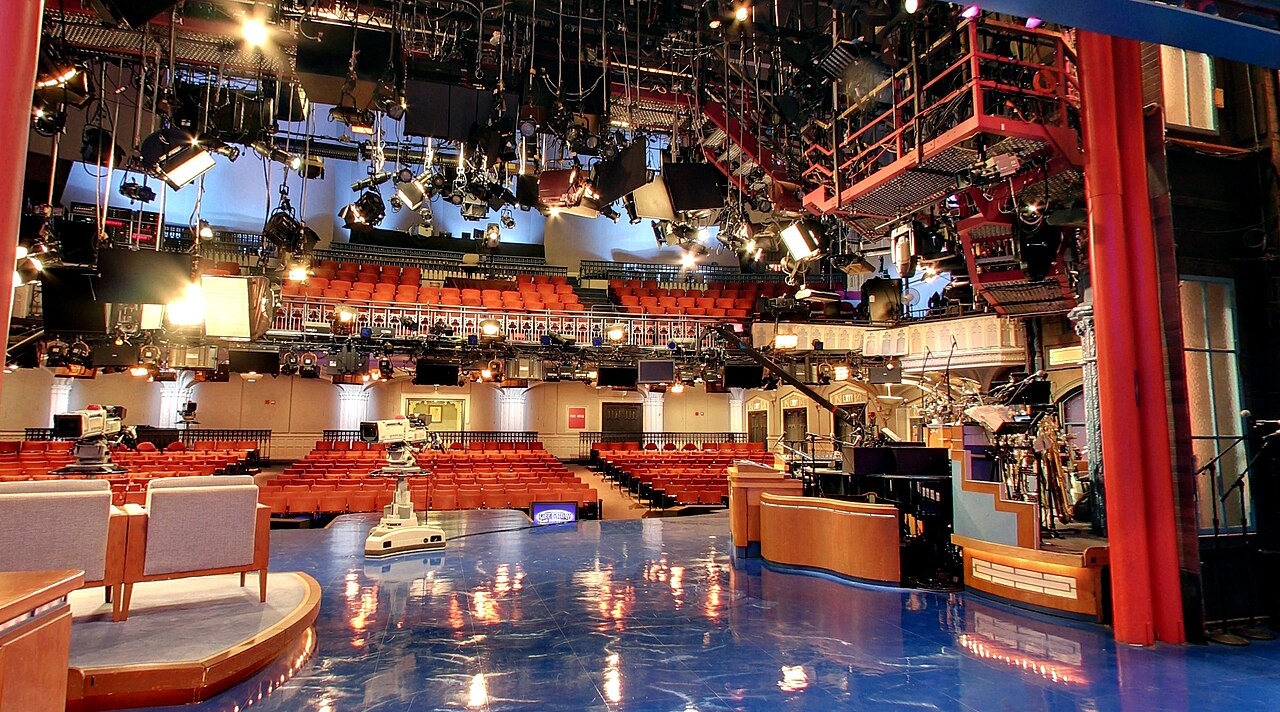
Beyond Letterman and Shaffer, the show's on-air personnel included announcers such as Bill Wendell (early years) and Alan Kalter, producers and a rotating roster of writers and contributors. The program was taped in New York City in a historic theater, preserving a live-audience dynamic that was integral to its pace and timing. The show earned critical recognition, including Emmys and Television Critics Association awards, for its comedy, interviews and longevity.
Legacy and distinctions
Letterman's program is remembered for shaping modern late-night sensibilities: dry, self-referential humor, willingness to subvert interview conventions, and a blend of celebrity access and absurdist comedy. Its long run allowed it to reflect changes in media, politics and celebrity culture. While some episodes sparked controversy for language or stunt behavior, the series' influence on subsequent hosts and formats is widely acknowledged. References to these events and to the program's contributors continue to appear in discussions of television history and late-night comedy.
For additional reading and archival material, see resources on the show's format and selected episodes linked throughout this article.
Further referenceRelated articles
Author
AlegsaOnline.com Late Show with David Letterman Leandro Alegsa
URL: https://en.alegsaonline.com/art/56186
Sources
- nytimes.com : "David Letterman to Retire in 2015"
- ew.com : "CBS sets premiere for 'Late Show with Stephen Colbert'"