
Larimer County, Colorado — Overview, History, and Key Facts
Comprehensive overview of Larimer County, Colorado: geography, communities, history, economy, recreation, and government, with key points and notable facts.
Overview
Larimer County is one of the 64 counties in the U.S. state of Colorado. The county seat and largest city is Fort Collins, a regional center for education, research and industry. The county contains a mix of urban areas, small towns and mountain landscapes, and it serves as a gateway to high-country recreation. The county was established in 1861 and named for William Larimer, Jr., an early Colorado settler and founder of Denver; see William Larimer, Jr. for more on the name.
Image gallery
5 Images



Geography and communities
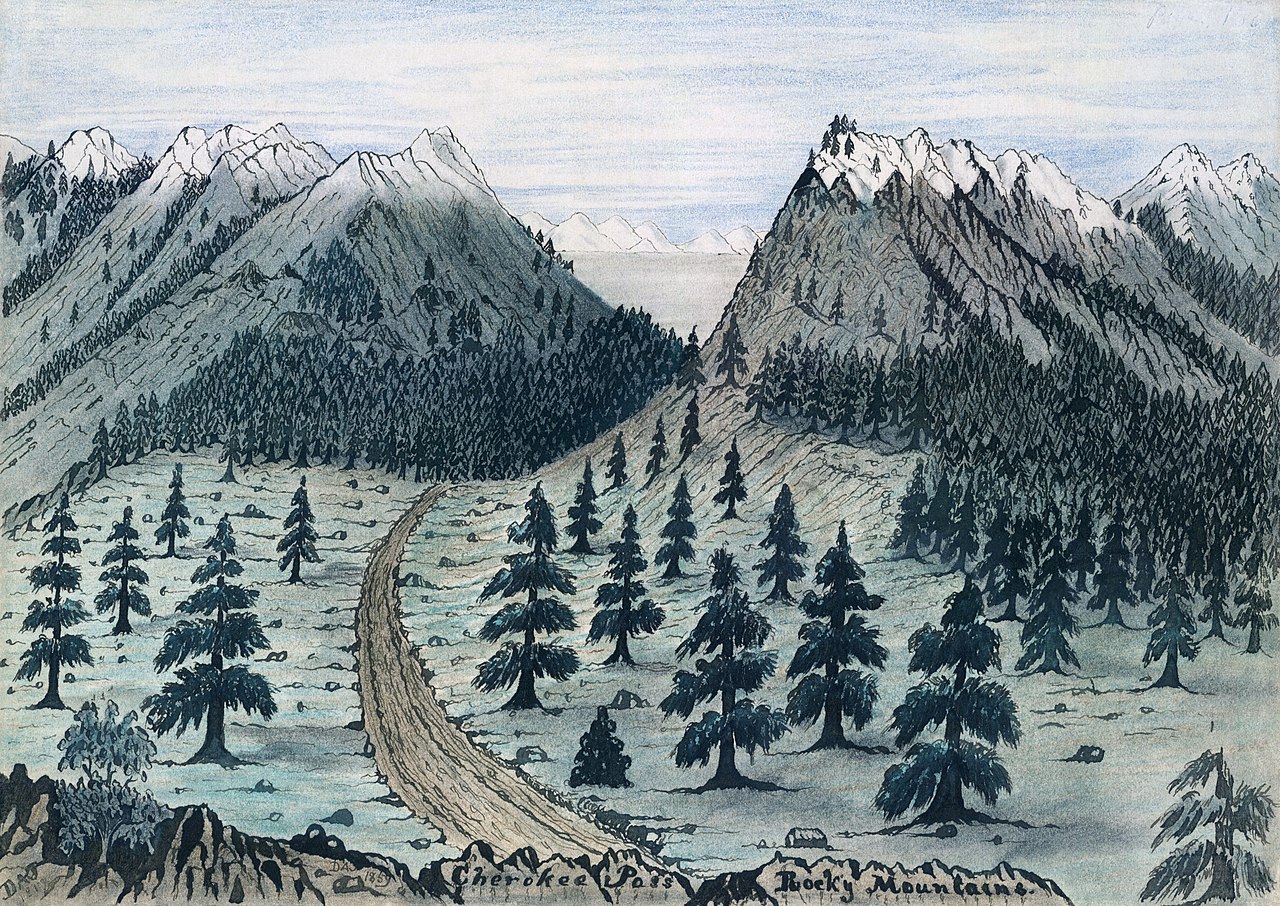
Larimer County spans foothills and plains and reaches into the Rocky Mountains, with valleys and river corridors that shaped settlement and transportation routes. It includes well-known municipalities and recreation hubs. Notable communities (selected) include:
- Fort Collins — county seat and home to a major public university.
- Estes Park — mountain town and common entrance to national parks and trails.
- Loveland — regional arts and commerce center.
- Windsor, Timnath and Berthoud — smaller towns with growing residential and business areas.
History and development
Larimer County was organized in 1861 as part of the early territorial government of Colorado. Settlement grew around agriculture, railroads and resource extraction, and later around education and high‑technology industries. The arrival and expansion of Colorado State University in Fort Collins and improved road access to mountain areas increased population and economic diversification over the 20th century. Historical ties to the frontier era remain visible in place names, historic districts and preserved sites.
Demographics and government
As recorded in the 2010 census, the county had a population of 299,630, and it has continued to grow since that count. Local government provides countywide services from public safety and land use planning to road maintenance and social services; municipal governments manage many local utilities and zoning issues. Larimer is one of a network of Colorado counties that coordinate on regional planning and transportation policy within the state framework.
Economy, education and recreation
Economic activity in Larimer County combines higher education, technology, manufacturing, agriculture and tourism. Colorado State University is an important employer and research center; its presence drives workforce development and innovation. Outdoor recreation — hiking, climbing, fishing, skiing and camping — attracts visitors year-round, especially around mountain gateways and protected public lands. The county’s mix of natural and built environments supports both local livelihoods and regional tourism economies.
Practical information and notable facts
Visitors and residents often use county resources for land records, permits and public health information; many online and in-person services are administered through county offices. Larimer’s proximity to both Colorado’s plains and the high Rockies gives it a diverse climate and range of outdoor opportunities. For census and statistical data, see references to the 2010 census and subsequent demographic reports; for state-level context consult general Colorado resources via state links. Additional administrative and historical references are often available through county archives and local historical societies.
Related articles
Author
AlegsaOnline.com Larimer County, Colorado — Overview, History, and Key Facts Leandro Alegsa
URL: https://en.alegsaonline.com/art/56035
Sources
- quickfacts.census.gov : "State & County QuickFacts"
- naco.org : "Find a County"
- books.google.com : The Origin of Certain Place Names in the United States