
Larnaca District (Cyprus): geography, municipalities, history and key features
Overview of Larnaca District in southeastern Cyprus, its municipalities and communities, geography, history, economy, tourism and notable landmarks including the salt lake and ancient Kition.
Overview
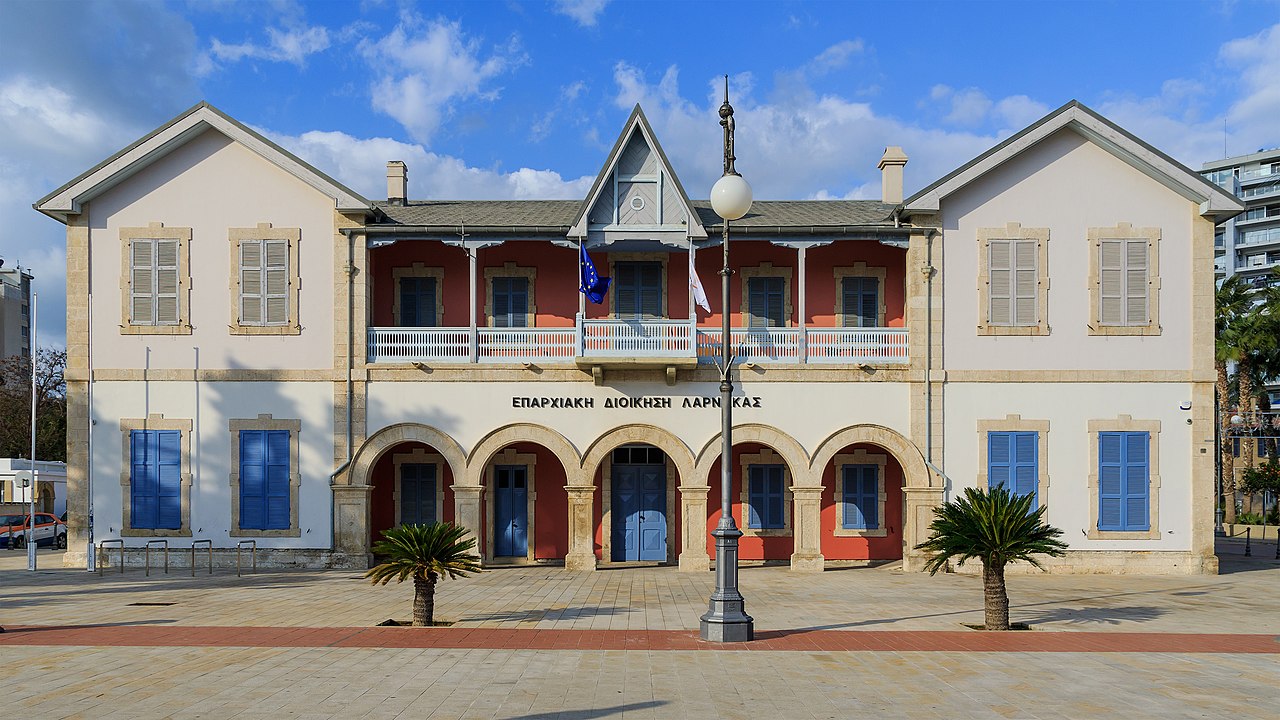
Larnaca District is one of the six administrative districts of Cyprus, located along the island's southeastern coast. Its administrative centre is the coastal city of Larnaca, which functions as the district's main economic, cultural and transport hub. The district combines coastal plains, low hills and a seasonal salt lake, and serves as an important gateway between Cyprus and international destinations.
Image gallery
2 Images
Geography and environment
The district occupies a coastal strip and adjacent inland areas characterized by a Mediterranean climate of hot, dry summers and mild, wetter winters. A notable environmental feature is the Larnaca Salt Lake, a shallow saline basin that fills seasonally and becomes a refuge for migrating and wintering waterfowl. The coastline includes sandy beaches, small harbors and stretches of agricultural land where citrus groves and other crops are common.
Administrative structure
Larnaca District contains six municipalities and a larger number of rural communities. Municipalities are urban local authorities with elected councils and broader administrative responsibilities; communities are smaller local councils that manage village-level services. In total the district comprises six municipalities and 53 communities.
- Aradippou
- Athienou
- Dromolaxia–Meneou
- Larnaca
- Livadia
- Pano Lefkara
History and cultural heritage
The area around modern Larnaca has a long recorded history, with ancient settlement at the site known historically as Kition. Archaeological remains, old churches and mosques reflect successive periods of Phoenician, Greek, Byzantine, Ottoman and modern influence. Traditional handicrafts survive in inland villages—Pano Lefkara is internationally recognized for its lace and silverwork, which illustrate the region's continuing artisanal traditions.
Economy, transport and tourism
Larnaca District is economically diverse. The city of Larnaca hosts the region's principal airport and a commercial port, making air and sea transport important components of the local economy. Tourism focuses on beaches, cultural and religious sites (including the lakeside mosque complex near the salt lake) and traditional villages. Agriculture and light industry also contribute to livelihoods in rural parts of the district.
Notable facts and map reference
Key landmarks include the seasonal salt lake, Hala Sultan Tekke and archaeological sites associated with ancient Kition. The district's location and infrastructure give it strategic importance within Cyprus. For map coordinates and a quick spatial reference see coordinates.
Local administration, cultural preservation and tourism planning continue to shape the district's development, balancing growth with protection of natural and historical resources.
Related articles
Author
AlegsaOnline.com Larnaca District (Cyprus): geography, municipalities, history and key features Leandro Alegsa
URL: https://en.alegsaonline.com/art/56051