
Arkady Babchenko: Russian war correspondent and controversial target
Profile of Arkady Babchenko, a Russian-born war reporter known for outspoken criticism of Vladimir Putin, his reporting on conflicts, and the staged 2018 assassination in Kyiv orchestrated by Ukrainian authorities.
Overview
Arkady Arkadyevich Babchenko (Russian: Аркадий Аркадьевич Бабченко) is a Russian-born journalist and war correspondent, born in Moscow (Moscow) in 1977. He gained recognition for frontline reporting and blunt commentary about the human costs of combat. Over time he became a vocal critic of President Vladimir Putin and Russian policy, and his work has included newspaper reporting, television appearances and opinion columns. Babchenko temporarily left journalism to work as a taxi driver before resuming his reporting career in 2009.
Image gallery
3 Images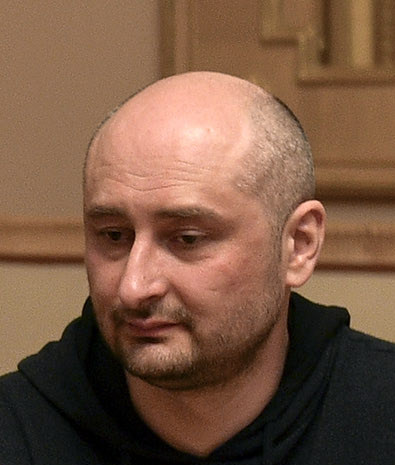


Career and reporting
Babchenko established himself as a military correspondent covering conflicts in the post-Soviet space. He reported on the 2008 conflict between Russia and Georgia and the fighting around South Ossetia (South Ossetia war, 2008), and later wrote and spoke about the experience of soldiers and civilians in modern warfare. His style is frequently direct and personal, drawing on first‑hand observations from front lines and checkpoints. In 2017 he moved to Kyiv to work for the Crimean Tatar television channel ATR and to continue commentary from outside Russia (Kyiv).
2018 staged killing and aftermath
On 29 May 2018 Ukrainian authorities announced that Babchenko had been shot dead at his apartment in Kyiv; the next day he appeared alive at a televised press conference. The Security Service of Ukraine said the killing had been staged to foil an alleged assassination plot and to detain suspects who were said to be working on orders from Russian services. The episode—commonly described as a faked or staged assassination (faked assassination) linked to an alleged plot (assassination plot)—prompted intense debate about tactics used by security services and about transparency and ethics in counterintelligence operations.
Reception, significance and controversy
The staged operation brought Babchenko international attention beyond his reporting. Supporters argued the ruse demonstrated active threats against exiled Russian journalists; critics said the deception undermined trust in authorities and endangered journalists by normalizing secretive or theatrical counterintelligence measures. The incident also highlighted broader concerns over the safety of Russian dissidents and reporters working on sensitive security topics.
Notable facts and legacy
- Born in 1977 in Moscow; became known as a war correspondent and commentator (Moscow).
- Worked for outlets including Novaya Gazeta after returning to journalism in 2009 and later for ATR in Kyiv.
- Reported on the 2008 conflict in the Caucasus (South Ossetia, 2008).
- Became an outspoken critic of Vladimir Putin and Russian policies.
- Was the central figure in the highly publicized staged killing announced in May 2018 (faked assassination) intended to expose an alleged assassination plot.
Babchenko's career illustrates the pressures faced by journalists who report on conflict and criticize powerful political actors. Whether viewed as a courageous correspondent or as a polarizing public figure, his experiences have become a reference point in discussions about press freedom, security service practices, and the risks confronting exiled journalists.
Related articles
Author
AlegsaOnline.com Arkady Babchenko: Russian war correspondent and controversial target Leandro Alegsa
URL: https://en.alegsaonline.com/art/5598
Sources
- meduza.io : Russian journalist Arkady Babchenko is shot and killed in Kiev
- ru.euronews.com : "Российский журналист Аркадий Бабченко убит в Киеве"
- mirror.co.uk : "Russian journalist and Putin critic Arkady Babchenko 'is shot dead in Kiev'"
- bbc.com : "'Murdered' Russia journalist is alive"