
Lanhydrock: Cornwall estate, parish and country house
Lanhydrock is a small civil parish in Cornwall centred on a historic country house and estate. Noted for its church, parkland and well-preserved domestic interiors, it is managed for public access and heritage appreciation.
Lanhydrock is a rural civil parish in Cornwall, England, centred on a large country house and its surrounding estate. The parish lies to the south of the market town of Bodmin and adjoins the parishes of Bodmin to the north, Lanlivery to the south and Lanivet to the west. Historically a landed estate, the area today combines parkland, formal gardens, a church and agricultural land. The recorded population of the parish was 171 at the 2001 census, reflecting its predominantly rural character.
Image gallery
2 Images
Overview and significance
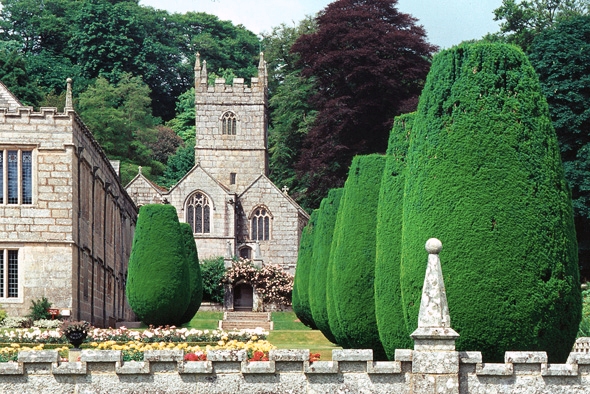
Lanhydrock is widely known for its grand house and estate, which illustrate the evolution of an English country seat over several centuries. The house and grounds attract visitors for their architecture, period interiors and the way domestic life of the household and its servants is interpreted. The estate contributes to local landscape character and to the study of social and architectural history in Cornwall.
Buildings and features
- Country house: The principal mansion combines older structural elements with later rebuilding and refurbishment. It is notable for extensive surviving domestic rooms and service areas that reveal how large households were organised in the 19th century.
- Parish church: The church of St Hydrock stands within the grounds. Parts of the building date to the late 15th century; its plan includes a chancel, nave with north and south aisles and a three-stage battlemented tower bearing a single bell.
- Grounds: Formal gardens, wooded parkland and estate farmland surround the house and provide habitat, walking routes and landscape context.
The estate has a documented history of association with local gentry families and with regional civic life. Over time ownership and use have changed: parts of the property have been conserved and interpreted for public enjoyment and education. The site is often used for guided tours, school visits and events that explore rural life and heritage management.
Administration and church
The parish is in the Diocese of Truro. The ecclesiastical setting, with the church sited near the house, underlines the historical link between landed estates and parish structures in rural England. For practical information about visiting or current management, local and national heritage organisations and estate custodians publish guidance and seasonal opening details (see local resources).
Questions and answers
Q: What is Lanhydrock?
A: Lanhydrock is a parish centred on a country estate and mansion in Cornwall, United Kingdom.
Q: Where is Lanhydrock located?
A: Lanhydrock is located south of the town of Bodmin and is bounded to the north by Bodmin parish, to the south by Lanlivery parish and to the west by Lanivet parish.
Q: What was the population of Lanhydrock in the 2001 census?
A: The population of Lanhydrock in the 2001 census was 171.
Q: What diocese is Lanhydrock in?
A: Lanhydrock is in the Diocese of Truro.
Q: What is the parish church in Lanhydrock dedicated to?
A: The parish church in Lanhydrock is dedicated to St Hydrock.
Q: What does the parish church in Lanhydrock look like?
A: The parish church in Lanhydrock has a chancel, nave, north and south aisles and three-stage battlemented tower with one bell. Parts of the church date back to the late 15th century.
Q: Where does the parish church in Lanhydrock stand?
A: The parish church in Lanhydrock stands in the grounds of Lanhydrock House.
Related articles
Author
AlegsaOnline.com Lanhydrock: Cornwall estate, parish and country house Leandro Alegsa
URL: https://en.alegsaonline.com/art/55932
Sources
- genuki.org.uk : GENUKI website
- nationaltrust.org.uk : National Trust website: Lanhydrock
- imagesofengland.org.uk : Images of England — details from listed building database (67548)