
Land transport: movement of people, animals, and goods on land
Land transport moves people, animals and goods across land by road, rail and other systems; this article explains modes, infrastructure, history, uses, and modern challenges.
Land transport is the organized movement of people, animals and goods from one place to another over the surface of the earth. It encompasses human-powered travel, animal-drawn conveyances and motorized vehicles, and it relies on networks of routes and supporting infrastructure. The basic idea of movement on land has evolved into a complex system that includes how animals were used historically and how modern logistics handle goods.
Image gallery
10 Images







Modes and main components
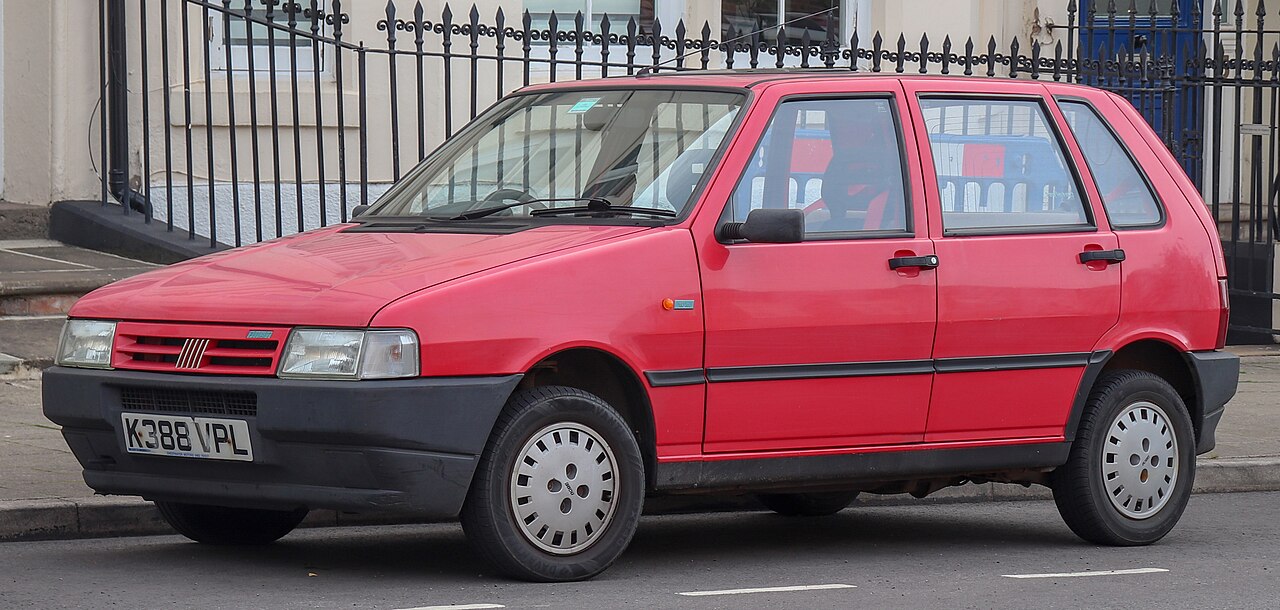
Major modes of land transport include road and rail as primary categories, along with trams, buses, bicycles, walking, and in some contexts pipelines. Road-based systems cover private cars, buses, trucks and motorcycles, while road networks provide links between neighborhoods, cities and regions. Rail systems, whether freight or passenger, operate on dedicated track and depend on stations and signaling; see rail for that category.
Key components of any land transport system are the vehicles, the physical infrastructure (roads, tracks, bridges, tunnels), operational controls (traffic management, scheduling), and support services such as maintenance, fueling and freight terminals.
Historical development
Land transport developed from footpaths and animal tracks to wheel-based carts and carriages, then to railways and motor vehicles. The industrial era accelerated long-distance freight and passenger movement; later advancements introduced paved roads, internal combustion engines and electrified rail. Each stage reshaped settlement patterns, trade and daily life.
Today, land transport integrates technology such as traffic management systems, electrification, and increasingly, automation. Urban transit systems and intercity rail connect people, while trucking and rail freight move commodities across continents, making land transport central to modern economies.
Uses, distinctions and contemporary issues
- Uses: commuting, long-distance travel, freight logistics, emergency services, recreation.
- Distinctions: passenger versus freight, urban versus rural, public transport versus private vehicles.
- Challenges: congestion, road safety, greenhouse gas emissions, infrastructure costs, and the need for integrated planning.
Policymakers and planners balance accessibility, efficiency and environmental impact, promoting solutions such as mass transit, active travel (walking and cycling), electrification of fleets and better freight consolidation. The future of land transport will be shaped by technology, policy and changing patterns of where people live and work.
Related articles
Author
AlegsaOnline.com Land transport: movement of people, animals, and goods on land Leandro Alegsa
URL: https://en.alegsaonline.com/art/55794