
Las Reinas Del Pueblo
Compilation album pairing Selena and Graciela Beltrán, issued weeks after Selena's 1995 murder; it collected Tejano and regional Mexican material and renewed attention on both artists as it charted on Billboard.
Las Reinas Del Pueblo (English: The Queens of the People) is a compilation album that pairs recordings by Mexican-American Tejano singer Selena and regional Mexican artist Graciela Beltrán. Issued in the weeks after Selena's 1995 murder, the collection brought together tracks representative of both performers' approaches to popular Mexican music and sought to introduce listeners to contrasting female voices within related musical traditions.
Image gallery
1 Image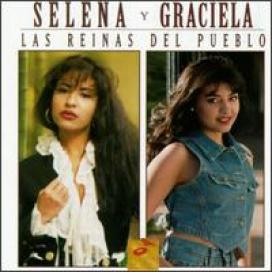
Overview and context
The project arrived during a period of heightened public attention to Selena's career and to Latin popular music more broadly. By presenting songs from two different but complementary repertoires, the compilation functioned both as a commemorative release and as a commercial anthology aimed at fans of Tejano, ranchera and other regional styles. Record companies often release such compilations to highlight an artist's work for new listeners; in this case the juxtaposition also underscored the presence of women in genres that had been male-dominated.
Musical characteristics
The selections emphasize vocal-driven arrangements and accessible melodies rooted in Tejano pop and regional Mexican forms. Selena's contributions tend to reflect her pop-tinged Tejano sound, which blended cumbia, pop and Mexican song forms, while Graciela Beltrán's tracks typically draw from ranchera, banda and mariachi-influenced repertoire that appeals to listeners of traditional regional music. Together the tracks offer a sampler rather than a single cohesive album concept.
Release, packaging and production
As a compilation, the album assembled previously released recordings rather than new studio material. Packaging and liner notes for such releases often frame the artists' careers, provide track credits and position the collection within a label's catalog; interested readers can consult the album entry for track listings and production details at album details. The compilation format made it accessible to casual buyers and collectors alike.
Reception, charts and legacy
The release registered on music charts, reflecting renewed interest in Selena's recorded legacy and continued demand for regional Mexican music among Hispanic and mainstream audiences. Chart references and historical chart performance are documented in sources such as Billboard, while broader context about genre development and crossover appeal can be found in surveys of Tejano pop. Though not a definitive greatest-hits package, the album helped sustain visibility for both performers during the 1990s.
Significance
- Reinforced Selena's posthumous presence in popular culture and introduced some listeners to Graciela Beltrán's work.
- Highlighted the role of female artists within Tejano and regional Mexican traditions at a moment of expanding mainstream interest.
- Served as an accessible entry point for new fans and as a collectible anthology for established listeners.
For further information about tracks, credits and the compilation's place in each artist's discography, consult the album entry and genre overviews: album details, Tejano pop overview, artist pages such as Selena, and chart histories like Billboard.
Questions and answers
Q: What is the name of the compilation album that features both Selena and Graciela Beltrán?
A: The name of the compilation album is Las Reinas Del Pueblo (English: The Queens of The People).
Q: Is Selena the only artist featured in the album?
A: No, the album also features Tejano singer Graciela Beltrán.
Q: When was the album released?
A: The album was released several weeks after Selena's murder.
Q: Did the album have an impact on music charts?
A: Yes, the album impacted several music charts on Billboard.
Q: What genre of music does Selena perform?
A: Selena was a Mexican-American Tejano pop singer.
Q: Who was Graciela Beltrán?
A: Graciela Beltrán was a Tejano singer who was featured in the album Las Reinas Del Pueblo.
Q: What is the translation of the album's name into English?
A: The translation of the album's name into English is The Queens of The People.
Related articles
Author
AlegsaOnline.com Las Reinas Del Pueblo Leandro Alegsa
URL: https://en.alegsaonline.com/art/56111
Sources
- billboard.com : "Billboard - Music Charts, News, Photos & Video"