
Latin music: origins, styles, and global influence
Survey of Latin music: what defines it, its main instruments and genres, historical influences, regional varieties, and its cultural and global impact.
Overview
Latin music is a broad category of popular and traditional musical styles originating in Latin America and strongly associated with the Spanish- and Portuguese-speaking world. It commonly features vocal music, often with song in Spanish or Portuguese, but also includes instrumental traditions and music in indigenous or Creole languages. The term is used in both cultural and commercial contexts and overlaps with concepts found in world music and global popular culture.
Image gallery
10 Images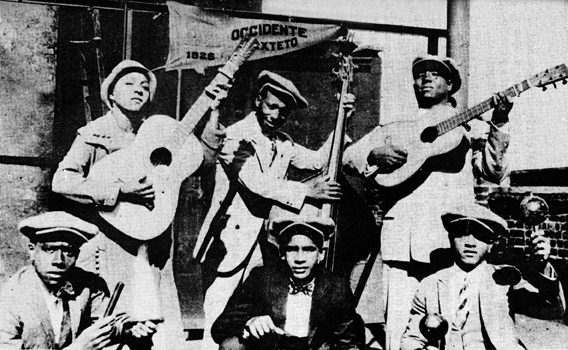







Characteristics and common elements
Although extremely diverse, many styles grouped under the Latin music label share rhythmic emphasis, danceability, and the blending of melodic and percussion traditions. Characteristic instruments and elements include:
- Percussion: congas, bongos, timbales, and other hand drums.
- Stringed instruments: guitars, tres, charango, and cuatro.
- Wind and brass: trumpet, trombone, flute, and accordion in regional contexts.
- Vocal approaches: call-and-response, harmonized choruses, and lyric-driven song forms.
Genres range from rural folk and religious forms to urban popular styles: for example, salsa, cumbia, bachata, reggaetón, bolero, samba, and bossa nova—each with distinct rhythmic patterns and social contexts.
History and primary influences
The musical landscape developed from the encounter of three broad cultural streams: the music of European colonizers (notably European traditions), the traditions of indigenous peoples (often referred to in older sources as indigenous or "Indian" communities), and the musical practices brought by enslaved African peoples. Colonial policies and church institutions also shaped local repertoires: colonial administrations and church music influenced harmonic language and forms, while local artisans adapted instruments and styles. Distinctions between art music and popular or folk music grew over time, but exchanges among them remained frequent.
Regional varieties and examples
Regional differences are pronounced. Music from the Andean highlands emphasizes different instruments and melodic contours than music from the coastal Caribbean. Comparing nations illustrates how geography and history matter: for instance, musical traditions of Peru incorporate Andean indigenous elements and coastal Afro-Peruvian rhythms, while the music of Brazil mixes Portuguese influence with strong West African-derived percussion and unique Portuguese-language song traditions.
Global circulation and contemporary importance
Latin music has long influenced and been influenced by popular genres in North America and other regions. In recent decades its presence in international markets has grown through recordings, radio, film, and streaming platforms, fueling collaborations that cross linguistic and stylistic boundaries. Cultural festivals, dance communities, and educational programs help keep both traditional forms and contemporary fusions alive.
Notable distinctions and further reading
When discussing Latin music it helps to clarify terms—whether referring to a continent, language group, or a market category—and to recognize the roles of place, colonial history, indigenous cultures, and African heritage in shaping sound. For concise introductions and genre guides, see resources on regional traditions and genre histories; for deeper study consult ethnomusicology surveys and collections that focus on specific countries and communities.
Related topics and regional surveys: Latin America overview, Spanish-speaking countries, the Caribbean, song in Spanish, world music, North American influence, European roots, colonial history, indigenous cultures, African heritage, church music, art music, Peru, Brazil.
Questions and answers
Q: What is Latin music?
A: Latin music is a popular music form played by people from Latin America, including the Spanish-speaking Caribbean. It is often accompanied by singing in Spanish.
Q: What is the study of world music?
A: The study of world music involves researching and understanding traditional and popular music from all countries.
Q: What is the influence of Latin music in other parts of the world?
A: Latin music has a significant influence in other parts of the world, especially North America.
Q: What are the important themes to consider when discussing Latin music?
A: The important themes to consider when discussing Latin music include the place of origin (country and sometimes region), the former European colonial power and its policies, the culture of the former aboriginal inhabitants, the culture of the slaves brought from Africa, and the musical style.
Q: How do these differences in place of origin influence the music of different Latin American countries?
A: The differences in place of origin can influence or cause differences in the music of different Latin American countries. For instance, the music of Peru may be different from the music of Brazil due to the influence of their unique cultural and historical experiences.
Q: Which type of music are we mostly concerned with in this article?
A: In this article, we are mostly concerned with popular music.
Q: What is the difference between church music, art music, and popular music in Latin America?
A: Church music, art music, and popular music have different styles in Latin America. For instance, church music may have a more formal and religious tone, while popular music may be more upbeat and danceable.
Related articles
Author
AlegsaOnline.com Latin music: origins, styles, and global influence Leandro Alegsa
URL: https://en.alegsaonline.com/art/56215
Sources
- books.google.com : Music of Latin America
- users.bigpond.com : La Tonada
- primerahora.com : "Regresa al pueblo del salsero"
- books.google.com : "Totally '90s: Diary of a Decade"
- worldcat.org : 0006-2510
- latinmusic.about.com : "Gloria Estefan - Latin Pop Superstar"
- riaa.com : "RIAA Certifications on Luis Miguel"
- nuestrathalia.com : "Thalía's interview on Good Day New York"
- nl.newsbank.com : "Selena's fans may turn her into folk hero"
- books.google.com : "A Retrospective"
- books.google.com : "Selena's 'Dreaming of You' Is Bittersweet"
- news.google.com : "Slain Tejano Singer Selena's Album Tops Pop Chart"
- tv.mtvema.com : "Enrique Iglesias"
- sonicomusica.info : Marc Anthony Iconos Nuevo Disco 2010 – Blog SonicoMusica.com para escuchar buena musica online
- belfasttelegraph.co.uk : "Selena Gomez stuns on tribute record"