
Catherine Howard (c. 1521–1542)
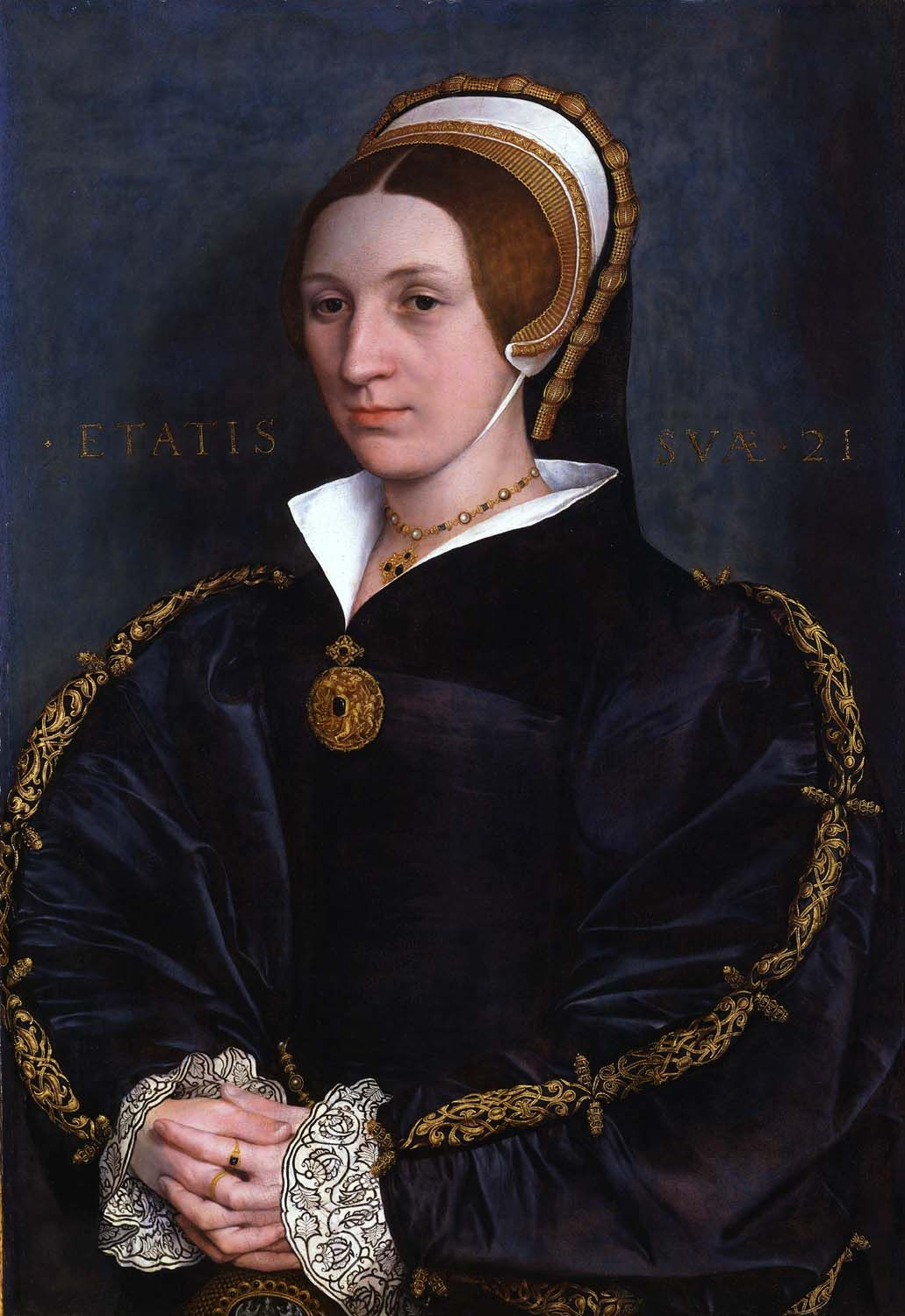
Catherine Howard, fifth wife of Henry VIII, was queen consort briefly (1540–1541). Her youth, alleged affairs and rapid fall from favour ended in arrest and execution, and her story highlights Tudor court danger and intrigue.
Overview
Catherine Howard was the fifth wife of King Henry VIII and served as queen consort from 1540 until her removal from favour in 1541. Born about 1521 into a cadet branch of the powerful Howard family, she attracted attention at the Tudor court for her youth and reputed beauty. Her marriage to Henry followed the annulment of his union with Anne of Cleves and lasted little more than a year before scandal, accusations of sexual impropriety and political pressure led to her downfall.
Image gallery
10 Images


Family background and early life
A daughter of Lord Edmund Howard and Joyce Culpeper, Catherine belonged to the influential Howard kin group. Orphaned or semi-orphaned while still young, she was placed in the households of noblewomen where she served as a lady-in-waiting and received a basic education. During those years she formed relationships that later became central to the charges brought against her when she was queen.
Marriage to Henry VIII
After Henry VIII’s marriage to Anne of Cleves was annulled in July 1540, he married Catherine. The marriage was celebrated at court, but Catherine’s relative inexperience and the king’s temper and expectations made her position precarious. Henry was many years her senior, and the combination of court gossip and factional rivalry intensified scrutiny of her behaviour.
Investigation, arrest and trial
Reports about Catherine’s past and alleged later relationships prompted inquiries by senior courtiers and church officials. Evidence was gathered of a prior intimate relationship with Francis Dereham and of contacts with Thomas Culpeper, a gentleman of the king’s household. Catherine was removed from court, placed under house arrest and later confined to the Tower of London. She was accused of premarital sexual relations and of adultery while queen, offences that were treated as treasonous in the context of Tudor royal security. She was tried, found guilty and sentenced to death.
Execution and legacy
Catherine Howard was executed on 13 February 1542. Her fate, together with that of Anne Boleyn earlier in Henry’s reign, is commonly cited as an example of the perilous position of women at the Tudor court and of how personal conduct, family ambition and political rivalry could turn quickly to deadly consequence. Her story has been the subject of historical study and cultural portrayals, and it continues to inform popular understanding of Henry VIII’s marital politics.
Related articles
Author
AlegsaOnline.com Catherine Howard (c. 1521–1542) Leandro Alegsa
URL: https://en.alegsaonline.com/art/17623
Sources
- englishhistory.net : "Catherine Howard"
- tudorhistory.org : "Kathryn Howard"
- gen.culpepper.com : "Howard Part 3"
- englishhistory.net : "Letter of Queen Catherine Howard to Master Thomas Culpeper - spring 1541"