
Land grant (government transfers of land and rights)
A land grant is a transfer of land or related rights by a government or authority, used to reward service, encourage settlement, or promote economic development across history and jurisdictions.
A land grant is a formal transfer of real property or related privileges from a sovereign or other authority to an individual, group, corporation, or institution. Grants may convey fee simple ownership, long leases, or specific rights such as mineral or water access. Historically they have functioned as rewards for service, incentives for settlement and development, or as tools to establish institutions and infrastructure. Governments typically document these transfers through deeds, patents, or charters and may attach conditions that can affect title or use.
Image gallery
1 Image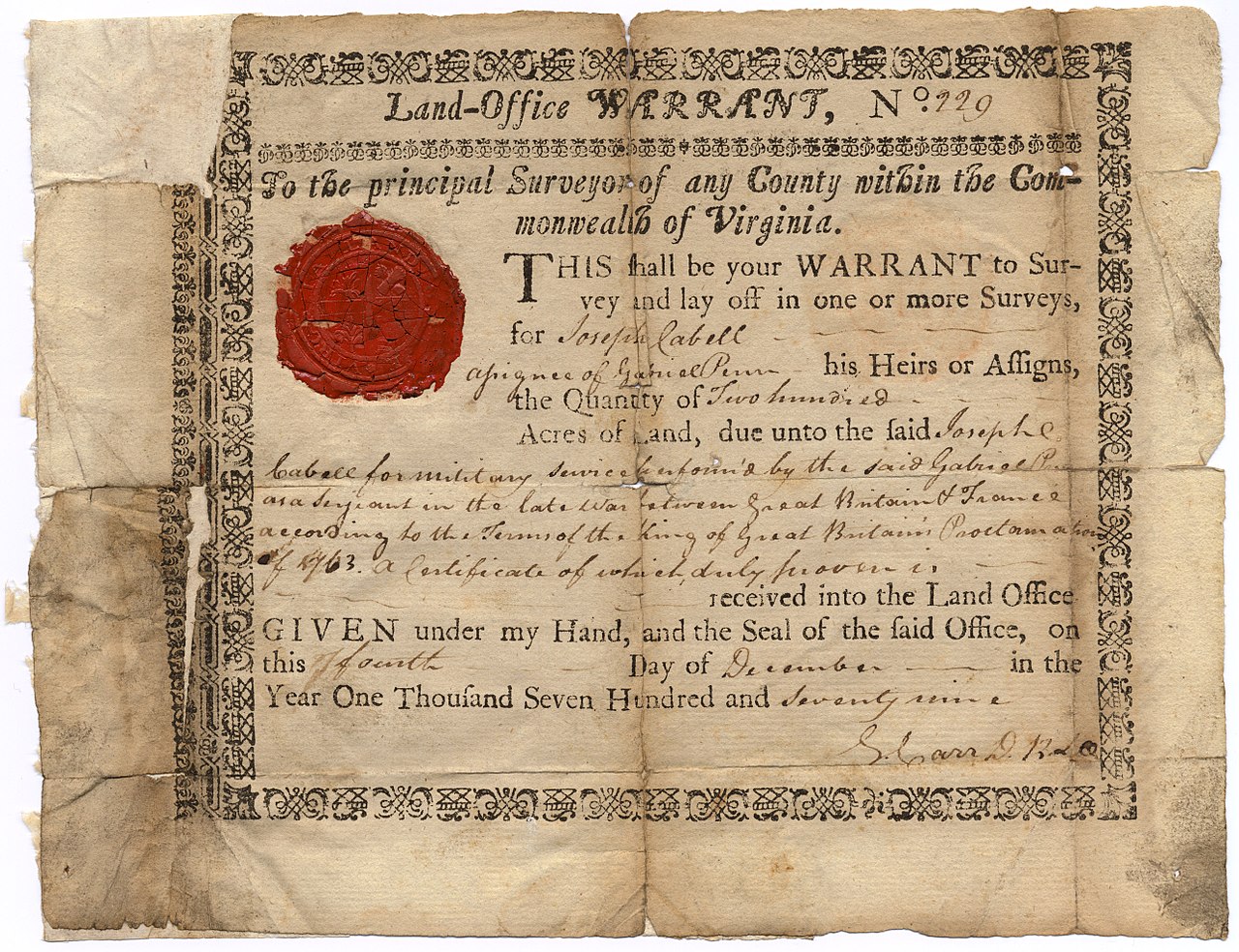
Historical examples and development
The practice of granting land is ancient and global. In the Roman Empire, veterans often received cash or land at the end of their service; classical sources refer to these payments as praemia and to the practice as part of military settlement policy. Contemporary accounts and later summaries note that amounts and procedures changed over time; some imperial edicts fixed payments or plots for retiring troops, linking recruitment and colonization. In later centuries European monarchs and colonial administrations continued similar practices, awarding territories to reward allies or to promote colonization.
Colonial and modern North American practice
In the Spanish and Mexican eras of what is now the western United States, rulers and governors issued large ranch grants to settlers and soldiers. For example, in California many ranchos were created by Spanish and Mexican authorities and later adjudicated under U.S. law. In the United States during the 19th century several major programs used land grants as public policy tools: the Homestead Act granted parcels (famously 160 acres in many cases) to settlers who improved the land, the Pacific Railroad Acts conveyed alternating sections of public land to railroad companies to help finance construction, and the Morrill Act granted land for the establishment of so‑called "land‑grant" colleges to expand higher education and agricultural research.
Purposes, forms, and effects
- Rewards and pensions: grants given in recognition of military or civil service.
- Settlement and development: parcels conveyed to encourage agriculture, mining, or town founding.
- Infrastructure promotion: land used to fund railroads, canals, or other projects.
- Institutional endowments: land allocated to schools, churches, or universities.
While land grants often accelerated colonization and economic activity, they also produced contentious outcomes: dispossession of indigenous peoples, land speculation, unclear titles, and long legal disputes over boundaries and conditions. The social and environmental legacy of grants depends strongly on how transfers were administered and enforced.
Legal nuances and modern relevance
Legally, a land grant may be recorded as a patent, deed, or charter; some grants include reversion clauses or performance conditions that allow the grantor to reclaim property if terms are breached. Modern equivalents include government conveyances for public benefit, conservation easements, and conditional leases. Many institutions still trace their legal foundation to historic grants, and contemporary land policy debates often reference the effects and lessons of past grant programs.
Further reading and notable references
Several distinct threads are useful for deeper study: ancient military settlement practices such as those involving Roman military policy and praemia; early modern and colonial grants including Spanish policy in places like California and grants by the King of Spain; and modern North American programs such as homesteading, railroad land grants, and the creation of land‑grant universities. Policy analyses and legal histories often treat land grants as instruments with both economic benefits and significant social costs; see introductory summaries and archival sources via general overviews or specialized studies (policy overview, imperial statutes and edicts).
Questions and answers
Q: What is a land grant?
A: A land grant is a gift of real estate, land, or privileges made by a government or other authority as a reward for services to an individual, especially as rewards for military service.
Q: Why are grants of land awarded to individuals and companies?
A: Grants of land are also awarded to individuals and companies to help develop unused land in relatively unpopulated countries.
Q: What is the significance of praemia in the Roman empire?
A: Praemia were rewards given to Roman soldiers at the end of their service including cash or land.
Q: When did Augustus fix the amount of praemia?
A: Augustus fixed the amount of praemia in AD 5 at 3000 denarii.
Q: What was the amount of praemia by the time of Caracalla?
A: By the time of Caracalla, the amount of praemia had risen to 5000 denarii.
Q: Who frequently gave land to people he liked or who helped him in old California?
A: In old California, the King of Spain frequently gave land to people he liked, or who helped him.
Q: What is the purpose of land grants in general?
A: The purpose of land grants in general is to reward individuals or organizations for military service or to promote the development of unused land in underpopulated regions.
Related articles
Author
AlegsaOnline.com Land grant (government transfers of land and rights) Leandro Alegsa
URL: https://en.alegsaonline.com/art/55784
Sources
- roman-empire.net : roman-empire.net/