
Laconia (Lakonia) — southeastern Peloponnese region of Greece
Laconia (Lakonia) is the southeastern regional unit of Greece on the Peloponnese, centered on Sparta. It combines mountains, the Eurotas plain, medieval Mystras, coastal Mani villages, agriculture and tourism.
Overview
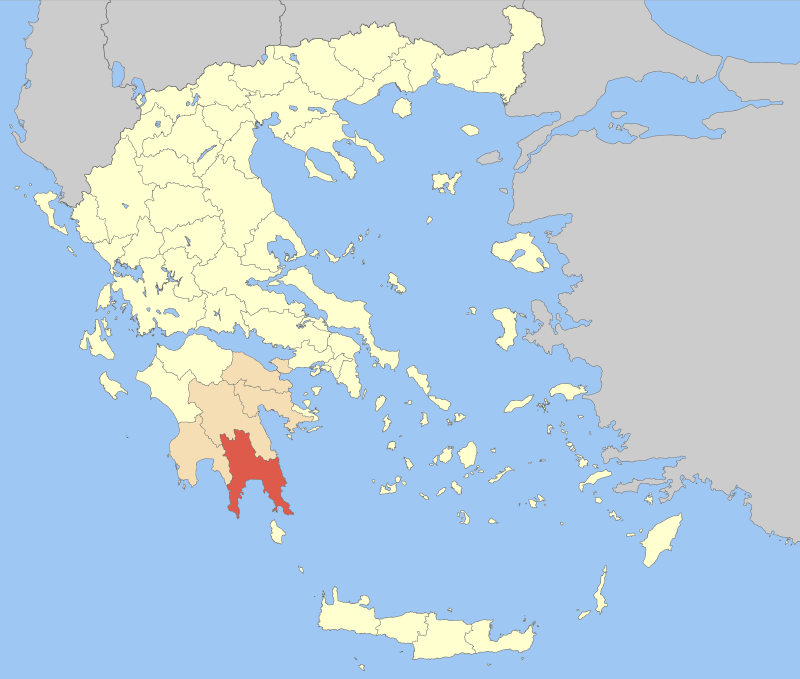
Laconia, also spelled Lakonia, is a regional unit in southern Greece. Historically one of the country's traditional prefectures, it occupies the southeastern portion of the Peloponnese peninsula. The region's administrative and cultural centre is Sparta, heir to the ancient city-state. Laconia's terrain ranges from the high Taygetus and Parnon mountains to the fertile Eurotas valley and a long, varied coastline along the Laconian Gulf and the Mani.
Image gallery
9 Images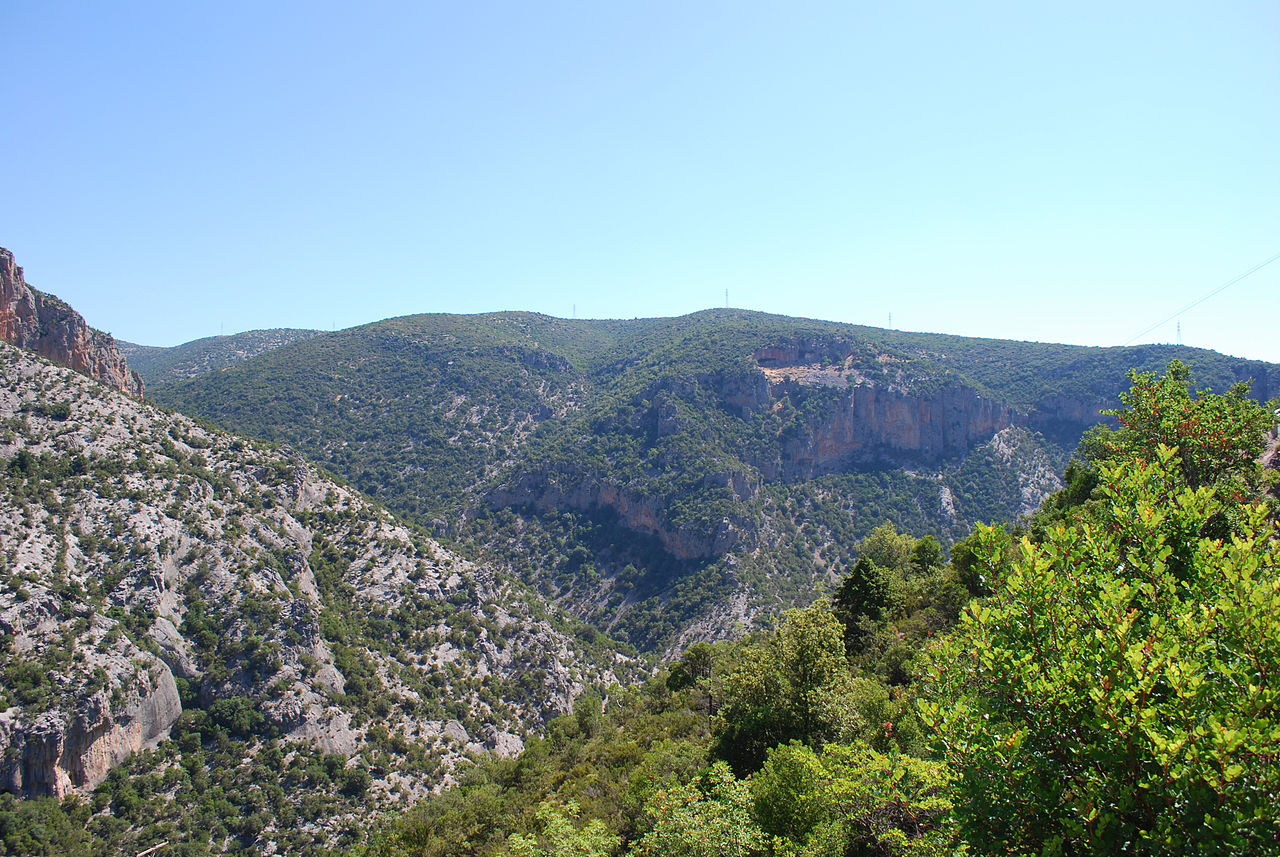



Geography and settlements
Laconia is bounded by mountain ranges that shape climate, land use and settlement patterns. The central Eurotas plain provides arable land and supports olive groves and orchards; upland slopes and plateaus sustain pastoral activities. Coastal zones include ports and fishing towns, historic fortified settlements and small resort villages. Principal population centres include Sparta, Gytheio and the medieval towns of Mystras and Monemvasia.
History and heritage
The area is best known as the homeland of ancient Sparta, noted in antiquity for its military institutions and distinctive social system. In the Byzantine period the fortified town of Mystras became an important political and cultural centre; its surviving ruins are an important archaeological and tourist site. Over time Laconia experienced Frankish, Venetian and Ottoman influence before integration into the modern Greek state, leaving a layered mix of classical, medieval and vernacular architecture.
Economy, culture and tourism
Laconia's economy blends agriculture, fishing, small-scale industry and tourism. The Eurotas valley and coastal plains produce olives and olive oil, citrus fruits and other crops, while upland communities keep sheep and goats and make traditional cheeses and honey. Visitor attractions include archaeological sites, Byzantine monuments, rugged hiking routes in the mountains and the dramatic coastline of the Mani, known for its stone towers and villages. Local festivals, cuisine and crafts reflect Peloponnesian traditions.
Transport, conservation and practical information
Access to Laconia is chiefly by road from other parts of the Peloponnese and mainland Greece; regional ports and nearby airports in the Peloponnese support tourism and commerce. The region contains important natural areas and habitats; mountain forests, coastal ecosystems and river corridors are subjects of conservation interest and attract nature-based tourism and scientific study. Visitors and researchers rely on national and local sources for up-to-date travel and preservation information.
- Key natural features: Taygetus and Parnon ranges, Eurotas River
- Major towns and sites: Sparta, Gytheio, Mystras, Monemvasia
- Cultural highlights: ancient Sparta, Byzantine Mystras, Mani architecture
- Administrative context: formerly a prefecture, now part of the Peloponnese regional administration (prefectures historical)
For official regional information and travel planning consult national and Peloponnese resources and guides to Peloponnese and Greece. Laconia combines classical associations, medieval landmarks and natural diversity, making it a distinctive part of southern Greece.
Related articles
Author
AlegsaOnline.com Laconia (Lakonia) — southeastern Peloponnese region of Greece Leandro Alegsa
URL: https://en.alegsaonline.com/art/55274