
Filippo Taglioni: 19th‑Century Choreographer and Architect of Romantic Ballet
Italian choreographer (1777–1871), creator of La Sylphide and teacher of his daughter Marie Taglioni; a pivotal figure in the development of Romantic ballet and the ethereal ballerina ideal.
Overview
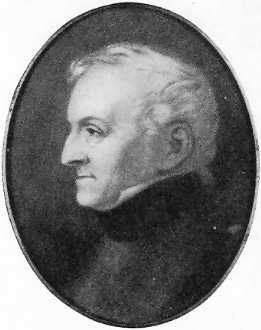
Filippo Taglioni (5 November 1777 – 11 February 1871) was an Italian dancer, teacher and choreographer whose work helped shape the aesthetic of early 19th‑century Romantic ballet. Although many of his scores and stage works have not survived, his name remains associated with the shift toward ethereal, expressive dance and with his role as the principal teacher of his daughter, the celebrated ballerina Marie Taglioni.
Image gallery
2 Images
Major work: La Sylphide
Taglioni's best known creation is the ballet La Sylphide, conceived to showcase the lightness and otherworldly quality of the Romantic ballerina. Premiered in 1832, the work presents a romantic, supernatural tale—commonly staged with a young man who becomes obsessed with a sylph, a forest spirit, and a love triangle involving his earthly fiancée and a local witch. The choreography emphasized lifted carriage, delicate arm work and early use of pointe technique to create an illusion of weightlessness.
Teaching methods and stylistic traits
Filippo was known for rigorous, precise training that refined line, elevation and upper‑body carriage. He coached dancers to maintain a soft epaulement and controlled épaulement of the shoulders and head, producing the floating, sylphlike silhouette associates with Romantic ballet. His instruction of Marie Taglioni helped popularize the ballerina as the focal point of narrative ballets and advanced pointe work as a dramatic tool rather than a mere technical display.
Historical context and influence
Working in an era when ballet was evolving from court entertainment to theatrical storytelling, Taglioni contributed to a broader movement that placed emotion, the supernatural and the solitary heroine at the center of dance drama. His aesthetic influenced contemporaries and successors across Europe and helped establish conventions—light tutus, soft lighting, and airy footwork—still visible in historical reconstructions and in the Romantic repertoire.
Legacy and notable facts
- Although La Sylphide remains his signature piece, much of Filippo Taglioni's output is lost or survives only in later adaptations.
- His work is frequently discussed alongside his daughter's career; Marie became emblematic of the Romantic ideal that Filippo helped craft.
- Later choreographers and historians have re‑examined his methods to understand the technical and expressive foundations of 19th‑century ballet.
Today Filippo Taglioni is remembered less for a large catalog of surviving dances than for his role in shaping a transformative era in ballet and for mentoring one of its most luminous figures, thereby helping to define the image of the Romantic ballerina for generations to come.
Related articles
Author
AlegsaOnline.com Filippo Taglioni: 19th‑Century Choreographer and Architect of Romantic Ballet Leandro Alegsa
URL: https://en.alegsaonline.com/art/34312