
La Roche-sur-Yon: prefecture city of Vendée in western France
Overview of La Roche-sur-Yon, a planned prefectural city in Vendée (Pays de la Loire), covering its layout, history under Napoleon, economy, cultural life and notable features.

Overview
La Roche-sur-Yon is the administrative centre and prefecture of the Vendée department in the west of France. Located in the region of Pays de la Loire, the city functions as a local hub for public administration, education, commerce and services. Its role links surrounding smaller towns and rural areas to regional transport and economic networks.
Image gallery
10 Images



Characteristics and urban layout
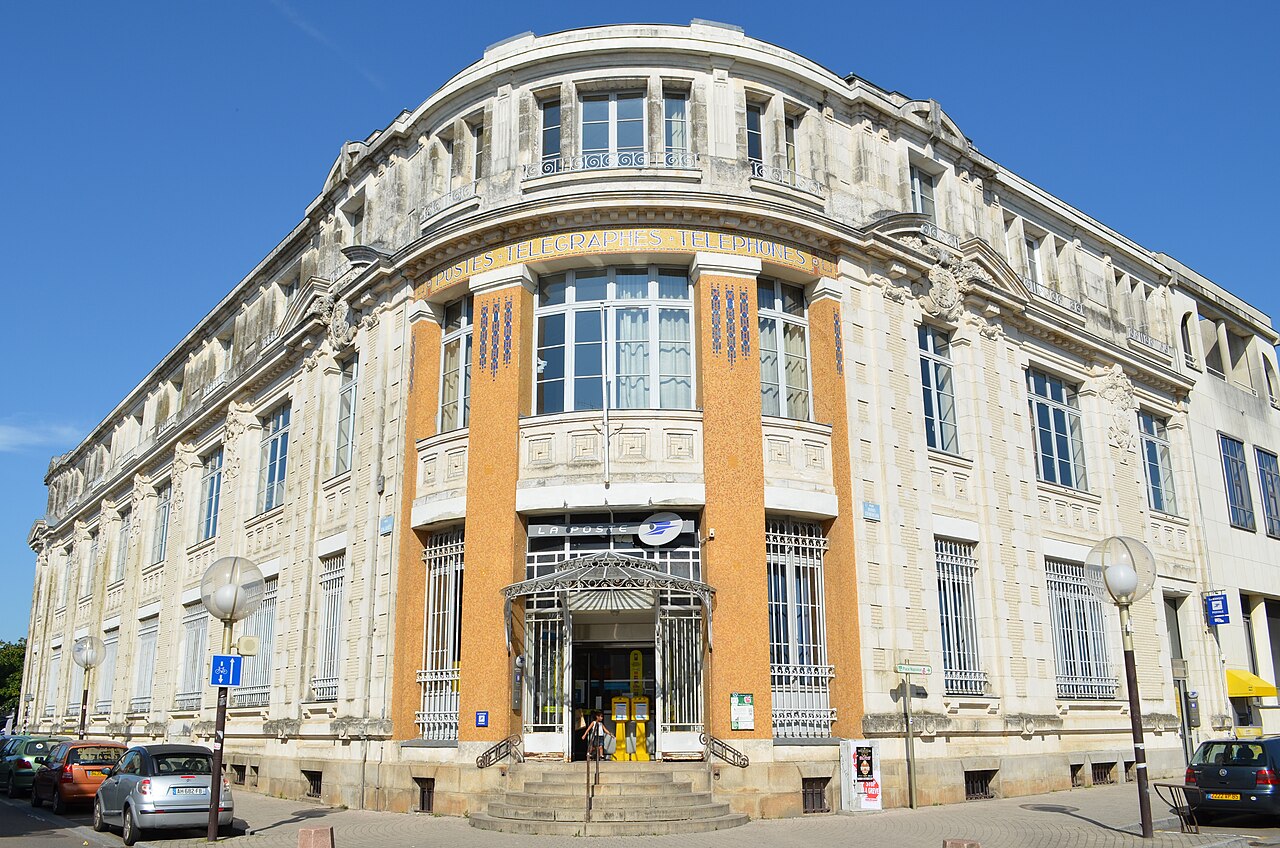
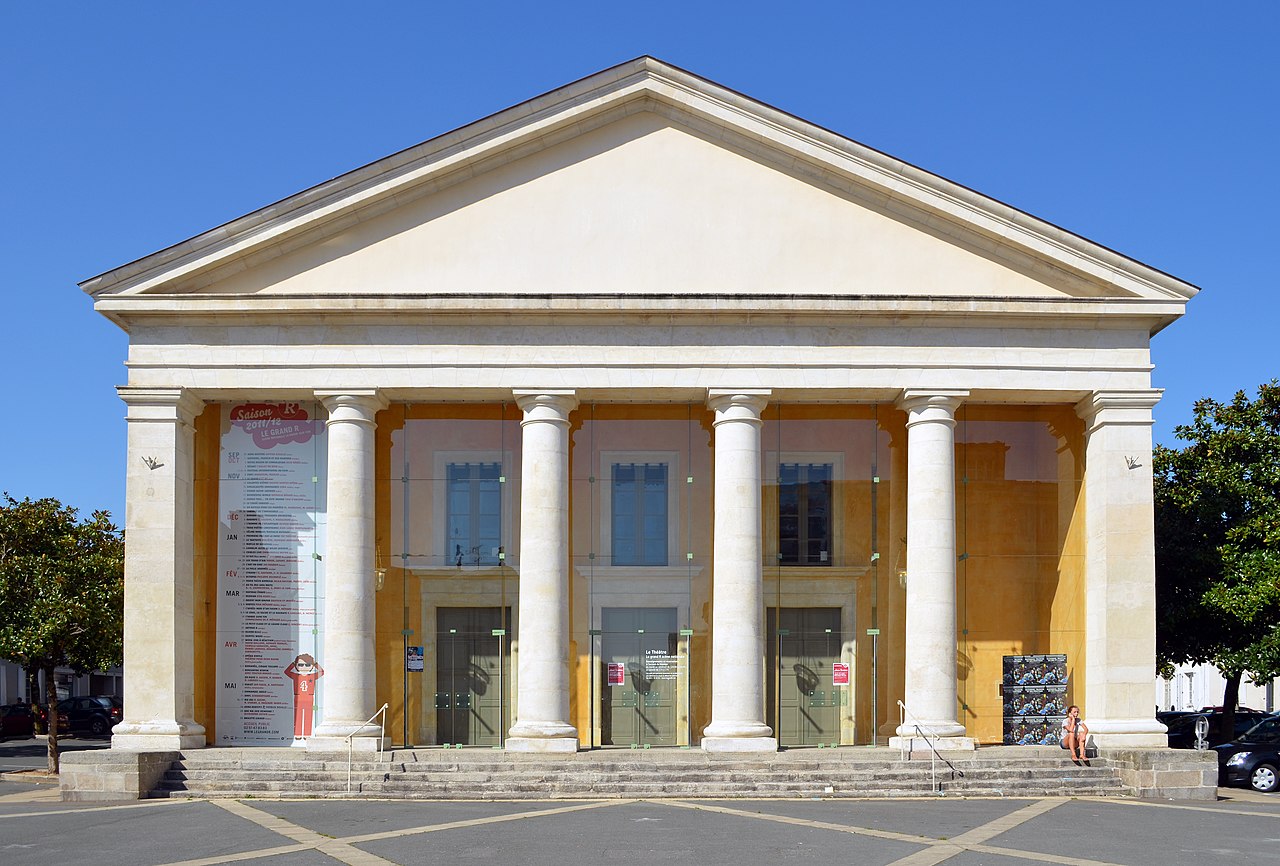
The town is notable for its early 19th-century urban plan: wide, regular streets and a central square laid out under the directives of Napoleon I. Public buildings, parks and civic spaces are arranged around a clear geometric centre, which gives the city a more modern, planned character than many older French towns that grew more organically.
History and development
Although the area was settled earlier, the modern identity of La Roche-sur-Yon dates from the early 1800s, when national authorities chose it as a departmental capital and initiated a reconstruction. The deliberate planning and administrative focus shaped its growth through the 19th and 20th centuries, transitioning from a military and administrative outpost into a regional service centre.
Economy, institutions and culture
The local economy rests on public administration, education, retail and light industry, with a range of cultural institutions, theatres and festivals serving the city and surrounding department. Transport links include road and rail connections to larger regional cities, which support commuting and tourism. Nearby attractions in Vendée broaden the city’s appeal for visitors.
Notable facts and distinctions
- Serves as the prefecture (administrative capital) of the Vendée department; see the department page: Vendée.
- Recognised for its Napoleonic-era urban design and central public square, which remain a defining feature.
- Functions as a regional centre for services, education and cultural events, linking rural areas to larger metropolitan regions.
La Roche-sur-Yon illustrates how political decisions and planned design can reshape a locality’s identity, turning it into a modern administrative and civic hub while retaining links to the wider historical and cultural landscape of western France.
Related articles
Author
AlegsaOnline.com La Roche-sur-Yon: prefecture city of Vendée in western France Leandro Alegsa
URL: https://en.alegsaonline.com/art/55089