
La Unión Department, El Salvador
La Unión is an eastern department of El Salvador, created in 1865. It includes the port city of La Unión, volcanic highlands, Gulf of Fonseca coastline, colonial sites and island municipalities.
La Unión is a department administrative unit in eastern El Salvador. Its capital shares the same name and serves as the department's primary commercial and administrative centre; see the city entry La Unión for urban details. The department was formally established on June 22, 1865, and combines coastal, island and volcanic landscapes within a compact territory.
Image gallery
2 Images
Geography and landscape
The department fronts the Pacific at the Gulf of Fonseca and includes both mainland shoreline and nearby islands. Terrain ranges from low coastal plains and mangroves to the slopes of the Conchagua volcanic massif. These varied habitats support fishing, agriculture and local biodiversity and influence settlement patterns and transport links.
Administrative divisions and communities
La Unión encompasses a number of municipalities and smaller towns. Prominent localities include:
- La Unión (capital)
- Conchagua
- Intipucá
- Pasaquina
- Anamorós
- Polorós
- Meanguera del Golfo (island municipality)
These communities range from coastal fishing villages to inland settlements on volcanic slopes. The port facilities near the capital are important for regional commerce.
History and heritage
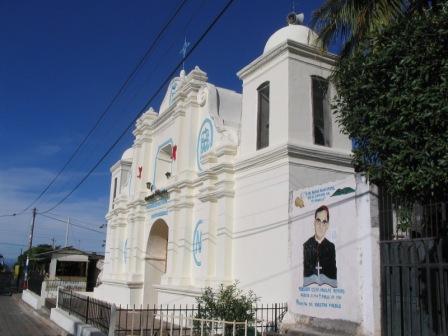
The area shows layers of indigenous presence and Spanish colonial influence. Notable historic sites include the Conchagua Temple, built in 1693, and archaeological ruins on the mainland and islands such as those reported at Intipucá and Meanguera. Colonial-era churches, traditional festivals and local crafts reflect the region's cultural continuity.
Economy, tourism and environment
The economy combines fishing, smallholder agriculture, and port-related trade. Tourism highlights are coastal beaches, panoramic viewpoints on the Conchagua slopes, island communities in the Gulf of Fonseca and archaeological or colonial ruins. Conservation concerns include mangrove protection, coastal erosion and sustainable management of fisheries and tourism development.
La Unión's mix of maritime access, volcanic scenery and historical sites makes it distinct among Salvadoran departments. Visitors and researchers find a region where natural features and cultural heritage intersect, while residents balance economic opportunity with environmental stewardship.
Related articles
Author
AlegsaOnline.com La Unión Department, El Salvador Leandro Alegsa
URL: https://en.alegsaonline.com/art/55148