
Lääne-Viru County
County in northern Estonia with capital Rakvere. Known for a mix of coastal and inland landscapes, medieval heritage, protected nature areas, and an administrative structure of one urban and seven rural municipalities.
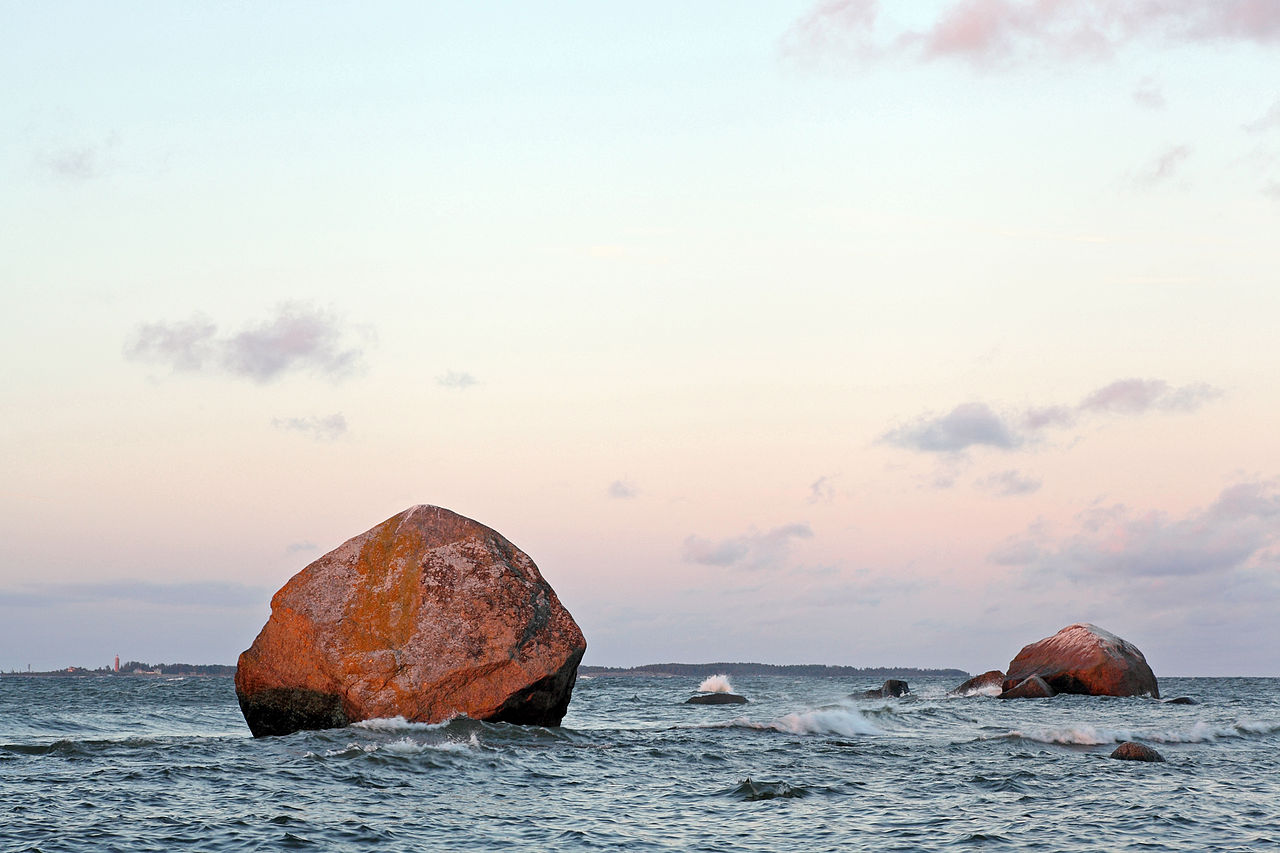
Lääne-Viru County lies in northern Estonia and functions as one of the country's administrative regions. Its administrative centre and largest town is Rakvere. The county combines coastal stretches on the Gulf of Finland with inland forests, wetlands and agricultural plains. Its approximate central location is given by 59°15′N 26°20′E, which places it in the temperate zone of the Baltic region.
Image gallery
10 Images




Geography and natural features
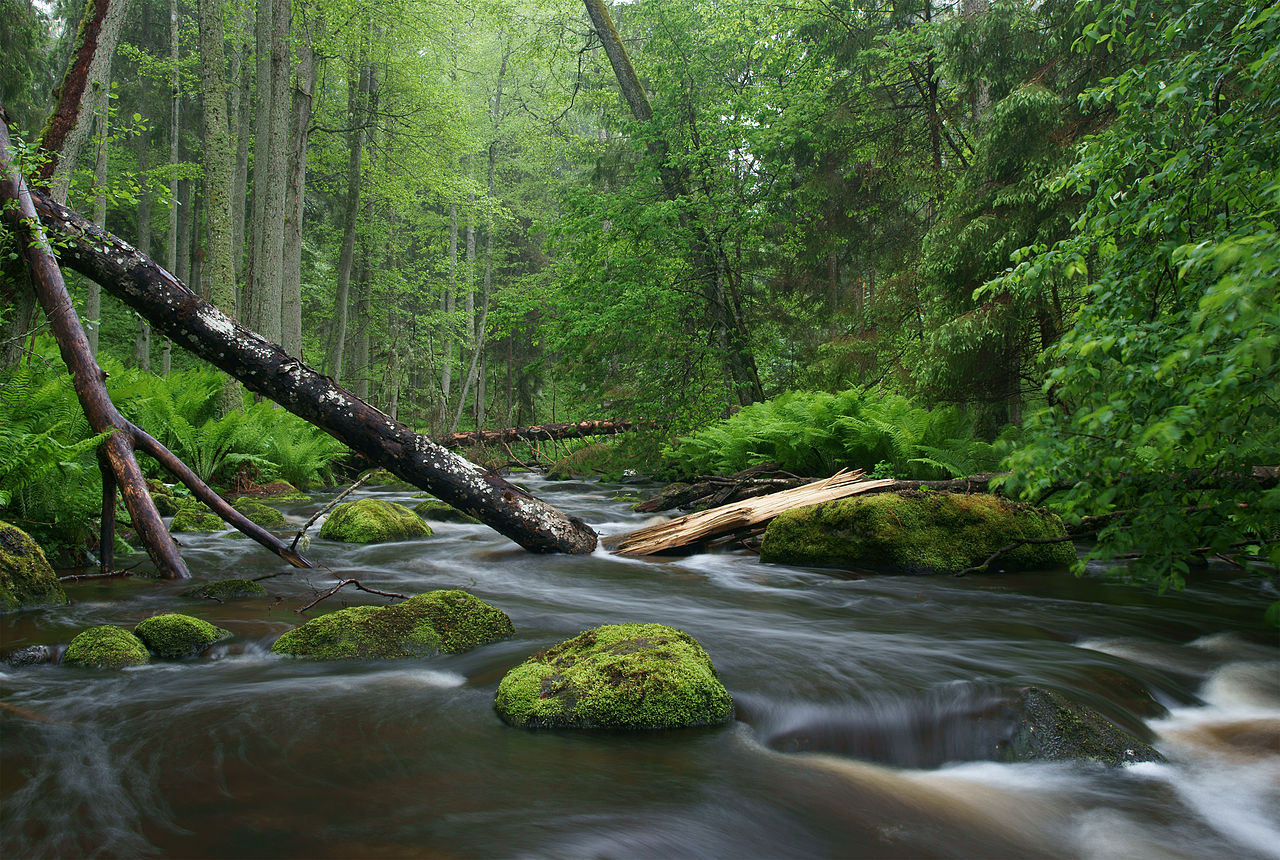
The landscape of Lääne-Viru is varied: low coastal areas give way to moraine hills, mixed forests and peat bogs farther inland. Parts of protected areas and nature reserves extend into the county, contributing to biodiversity and offering opportunities for outdoor recreation. Typical habitats include coastal meadows, coniferous woodlands and raised bogs, and the area is traversed by several small rivers and streams that drain to the Gulf of Finland.
Administrative structure
As an administrative unit the county is divided into municipalities. There is one urban municipality—the city of Rakvere—and seven rural municipalities (often called parishes). Local governments handle regional planning, services, education and infrastructure while cooperating with national authorities on larger policy matters.
History and identity
The territory of Lääne-Viru has a long human presence, with settlement and trade dating back centuries. Historically the region forms part of the larger area known as Virumaa, which appears in medieval sources. Remnants of that past remain visible in fortified sites and manor houses, with Rakvere Castle standing out as a prominent medieval stronghold that attracts visitors and illustrates the county's layered past.
Economy, culture and tourism
The local economy blends agriculture, forestry, small- to medium-sized industry and services. Tourism plays an increasingly important role: historical monuments, walking trails, coastline and proximity to national parks draw both domestic and international visitors. Cultural life includes community events, museums and seasonal festivals that highlight regional traditions and crafts.
Points of interest and practical notes
- Rakvere Castle and town centre for historical sightseeing.
- Coastal and inland nature areas for hiking, birdwatching and outdoor activities.
- Local municipalities offering visitor information and services.
Lääne-Viru County is therefore notable for combining accessible natural landscapes with historic towns and an administrative framework that supports both rural life and urban services. For further details consult local resources and official pages about the county and its capital.
Questions and answers
Q: What is Lääne-Viru County?
A: Lääne-Viru County is a county in Estonia.
Q: What is the capital city of Lääne-Viru County?
A: The capital city of Lääne-Viru County is Rakvere.
Q: How is Lääne-Viru County divided?
A: Lääne-Viru County is divided into municipalities.
Q: What is the number of urban municipalities in Lääne-Viru County?
A: There is one urban municipality in Lääne-Viru County.
Q: How many rural municipalities are there in Lääne-Viru County?
A: There are seven rural municipalities in Lääne-Viru County.
Q: What are the coordinates of Lääne-Viru County?
A: The coordinates of Lääne-Viru County are 59°15′N 26°20′E / 59.250°N 26.333°E / 59.250; 26.333.
Q: In which country is Lääne-Viru County located?
A: Lääne-Viru County is located in Estonia.
Related articles
Author
AlegsaOnline.com Lääne-Viru County Leandro Alegsa
URL: https://en.alegsaonline.com/art/55173