
Vendée (department, France)
Vendée is a coastal department in western France, in the Pays de la Loire region. Known for its Atlantic shoreline, agricultural bocage, and the historical War in the Vendée, it combines tourism, heritage and maritime activity.
Overview
Vendée is an administrative department in western France, located within the Pays de la Loire region. Its prefectural seat is La Roche-sur-Yon, which was chosen as the central town during the department's reorganisation. The territory was created during the French Revolution as one of the original departments, and its identity combines coastal and rural landscapes.
Image gallery
10 Images




Geography and landscape
Vendée fronts the Atlantic Ocean with long sandy beaches, dunes and several islands, notably Île d'Yeu and Noirmoutier. Inland areas include the characteristic bocage — a patchwork of hedged fields and small woodlots — and the marshes that border the Marais Poitevin. The combination of maritime exposure and sheltered valleys produces a generally temperate climate that supports mixed agriculture and year-round tourism.
History
Administratively formed in the revolutionary reordering of France, Vendée is also remembered for the late-18th-century uprising known as the War in the Vendée, a complex and violent civil conflict between counter-revolutionary royalists and Republican forces. That episode shaped national memory and local heritage, and many towns preserve monuments, museums and memorials describing the period.
Economy, culture and tourism
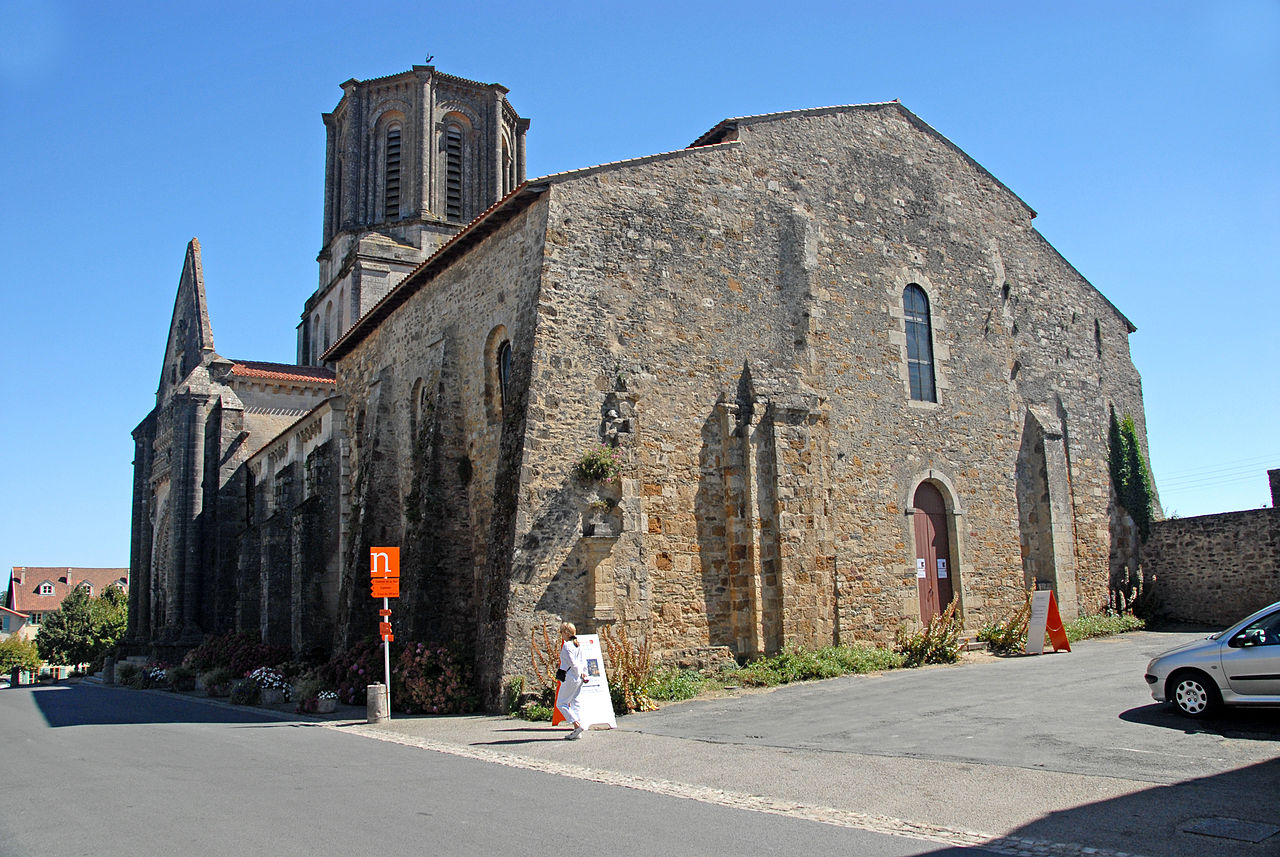
The department's economy blends agriculture (crops, dairy and livestock), fishing and maritime services with a significant tourism sector. Seaside resorts such as Les Sables-d'Olonne attract seasonal visitors and host sailing events; the famous solo round-the-world race Vendée Globe starts from this area. Cultural attractions include the historical parks and re-enactments at Puy du Fou, Romanesque churches, salt marshes, and lively local markets.
Administration and population
Vendée is divided into arrondissements, cantons and communes typical of French departmental government, with La Roche-sur-Yon serving as the prefectural centre (prefecture). Population figures have varied through the early 21st century; contemporary population estimates place the department in the mid-range among French departments, with substantial seasonal variation due to tourism.
Notable facts and distinctions
- Coastline and islands that support maritime industries and seaside tourism.
- A strong local identity tied to both agricultural traditions and revolutionary history.
- Sites of cultural interest, including Puy du Fou and traditional coastal villages, draw domestic and international visitors.
- Major towns and points of interest include La Roche-sur-Yon, Les Sables-d'Olonne, Fontenay-le-Comte and the island communes; administration and services are concentrated in these centres.
Related articles
Author
AlegsaOnline.com Vendée (department, France) Leandro Alegsa
URL: https://en.alegsaonline.com/art/104526