
Kyōhō era (1716–1736): Tokugawa governance and cultural change
Kyōhō (享保) was a Japanese era from July 1716 to April 1736, spanning the reigns of Emperors Nakamikado and Sakuramachi and marked by the Kyōhō Reforms under shogun Tokugawa Yoshimune.
Overview
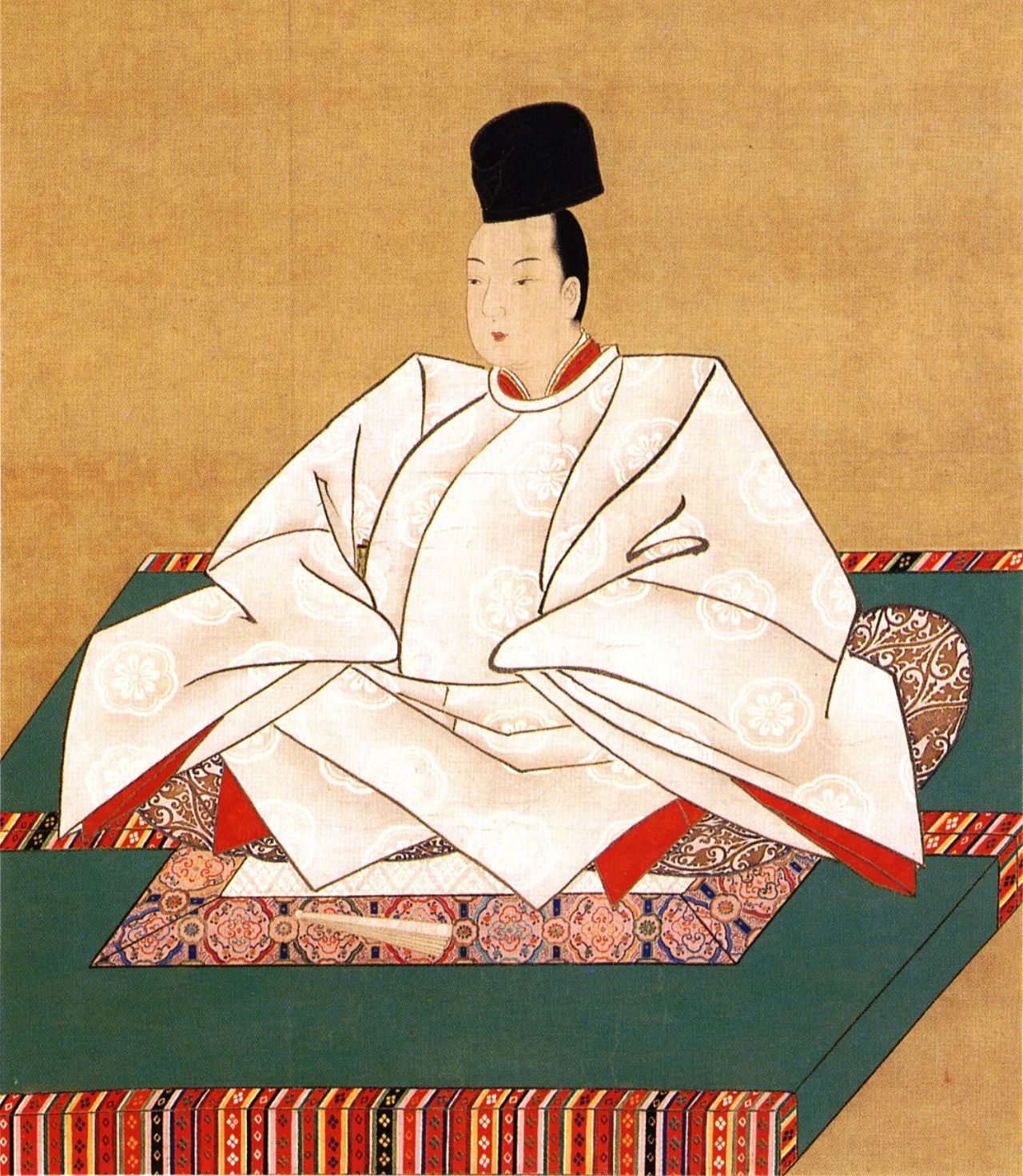
The Kyōhō era (享保) was a nengō, or Japanese era name, that ran from July 1716 until April 1736. It followed the Shōtoku era and preceded the Gembun era. During this period the imperial throne was occupied by Emperor Nakamikado (中御門天皇) and later Emperor Sakuramachi (桜町天皇). The era coincides with the rule of Tokugawa Yoshimune, the eighth shōgun of the Tokugawa bakufu, whose policies shaped much of the period's political and economic life.
Image gallery
4 Images

Political and economic characteristics
The defining political feature of Kyōhō was the set of administrative measures commonly called the Kyōhō Reforms. Initiated by Tokugawa Yoshimune, these measures aimed to strengthen shogunate finances and restore fiscal stability after prolonged budgetary strain. The bakufu emphasized austerity, tighter control of expenditures, and efforts to increase revenue.
Reforms and administration
- Fiscal measures: policies to balance accounts, curb extravagant spending, and improve collection of rice taxes and other incomes.
- Market and currency: attempts to stabilize commodity markets and manage coinage circulation were pursued to reduce economic disruption.
- Local governance: measures encouraged greater agricultural productivity and scrutiny of domain finances.
Culture, scholarship, and society
Kyōhō was also a time of cultural activity in urban centers. Commercial publishing increased, and popular arts such as kabuki, puppet theatre, and woodblock prints (ukiyo-e) continued to develop. Scholarly currents tended toward practical learning and empirical study; interest in foreign (particularly Dutch) knowledge — later termed rangaku — began to grow among some intellectuals, often within narrow, regulated bounds.
Notable facts and legacy
The era is remembered for its attempted administrative revitalization under Yoshimune and for modest but lasting shifts in economic and intellectual life. Kyōhō consolidated practices of bakufu oversight that influenced later reforms and set the stage for subsequent eras. For context about the system of era names and the succession of periods, see an entry on Japanese era names (nengō) and the succeeding Gembun era (Gembun).
Related articles
Author
AlegsaOnline.com Kyōhō era (1716–1736): Tokugawa governance and cultural change Leandro Alegsa
URL: https://en.alegsaonline.com/art/54766
Sources
- books.google.com : "Kyōhō"
- books.google.com : "Nakamikado Tennō,"
- books.google.com : "Sakuramachi Tennō,"
- books.google.com : Annales des empereurs to japon, pp. 416-417.
- books.google.com : Japans Kaiserhof in der Edo-Zeit, p. 186
- kunaicho.go.jp : 霊元天皇 (112)
- books.google.com : Economic Aspects of the History of the Civilization of Japan, p. 352
- books.google.com : p. 47
- books.google.com : p. 417
- kunaicho.go.jp : Ceremony of Accession (Sokui-no-Rei)