
Kyōtoku era (享徳): Japanese nengō, 1452–1455
Kyōtoku (享徳) was a Japanese era name from July 1452 to July 1455 during Emperor Go-Hanazono’s reign. The period falls in the Muromachi era and saw political tension in the Kantō region and shifts in shogunal authority.
The Kyōtoku era (享徳) was a Japanese era name (nengō) that lasted from July 1452 until July 1455. Era names were used by the imperial court to mark years and often changed for symbolic or calendrical reasons. Kyōtoku followed the Hōtoku era and preceded the Kōshō era, and it coincided with the middle years of the Muromachi period.
Image gallery
4 Images


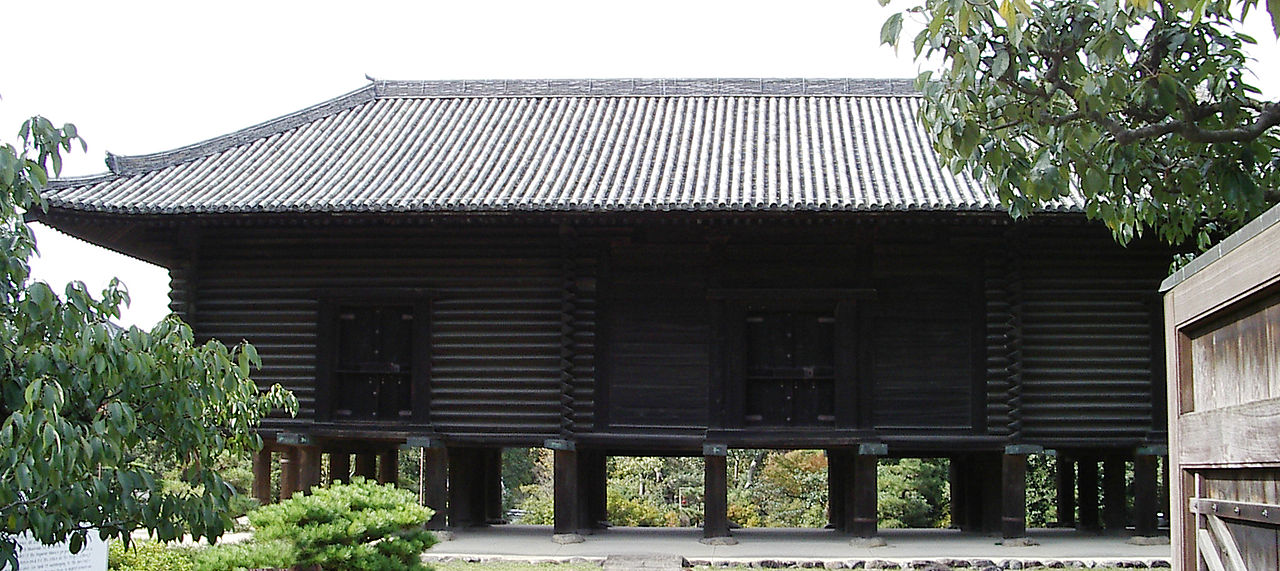
Political and institutional context
During Kyōtoku the throne was occupied by Emperor Go-Hanazono, a mid-15th century sovereign whose reign covered several successive era names. At the same time the Ashikaga shogunate remained the principal military authority in Kyoto; Ashikaga Yoshimasa is the best-known shogunal figure of this general period. The Muromachi bakufu continued to struggle with fragmented regional power, weakened central control, and frequent disputes among local warriors.
Notable developments and disturbances
The early 1450s saw rising instability in outlying provinces, especially in the Kantō region where a local conflict, often referred to in general sources as the Kyōtoku disturbance, reflected tensions between the Kamakura-area military families and representatives of the central shogunate. These disputes are part of the longer pattern of decentralization that would later culminate in larger nationwide conflicts.
Culture, administration and importance
Kyōtoku was not marked by a single defining cultural breakthrough, but it formed part of a generation in which court rituals, Zen-related arts, and samurai patronage continued to shape elite culture. Administratively the era illustrates how nengō functioned as a tool of court symbolism even as real political power shifted toward regional lords.
Key points
- Dates: July 1452–July 1455.
- Emperor: Go-Hanazono.
- Historical setting: Muromachi period under Ashikaga shogunate.
- Regional issues: notable unrest in the Kantō region reflecting weakening central control.
For a concise overview of the system of era names and their role in Japanese chronology, see nengō and era names. For background on the preceding era name, Hōtoku, and its context, see Hōtoku.
Related articles
Author
AlegsaOnline.com Kyōtoku era (享徳): Japanese nengō, 1452–1455 Leandro Alegsa
URL: https://en.alegsaonline.com/art/54780
Sources
- books.google.com : "Kyōtoku"
- books.google.com : "Go-Hanazono Tennō,"
- books.google.com : Annales des empereurs du Japon, pp. 3331-350.
- books.google.com : The Cambridge History of Japan: Medieval Japan, p. 233.