
Kyōroku (享禄): Japanese era name, August 1528–July 1532
Kyōroku (享禄) was a Japanese era name from August 1528 to July 1532 during the reign of Emperor Go‑Nara, set within the turbulent Sengoku period and placed between Daiei and Tenbun.
Kyōroku (享禄) was a Japanese era name (nengō) that ran from August 1528 through July 1532. The era name was used to mark official years and appears in legal records, temple inscriptions and historical chronicles. It is anchored to the reign of Emperor Go‑Nara and provides a chronological label for documents and events of the early 16th century.
Image gallery
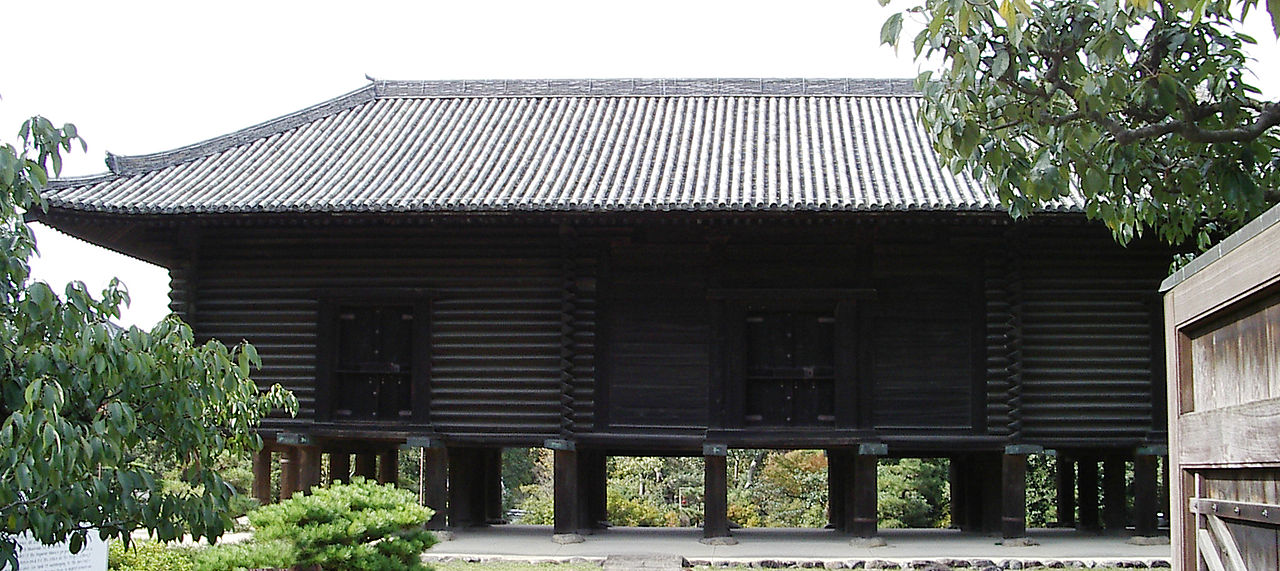
3 Images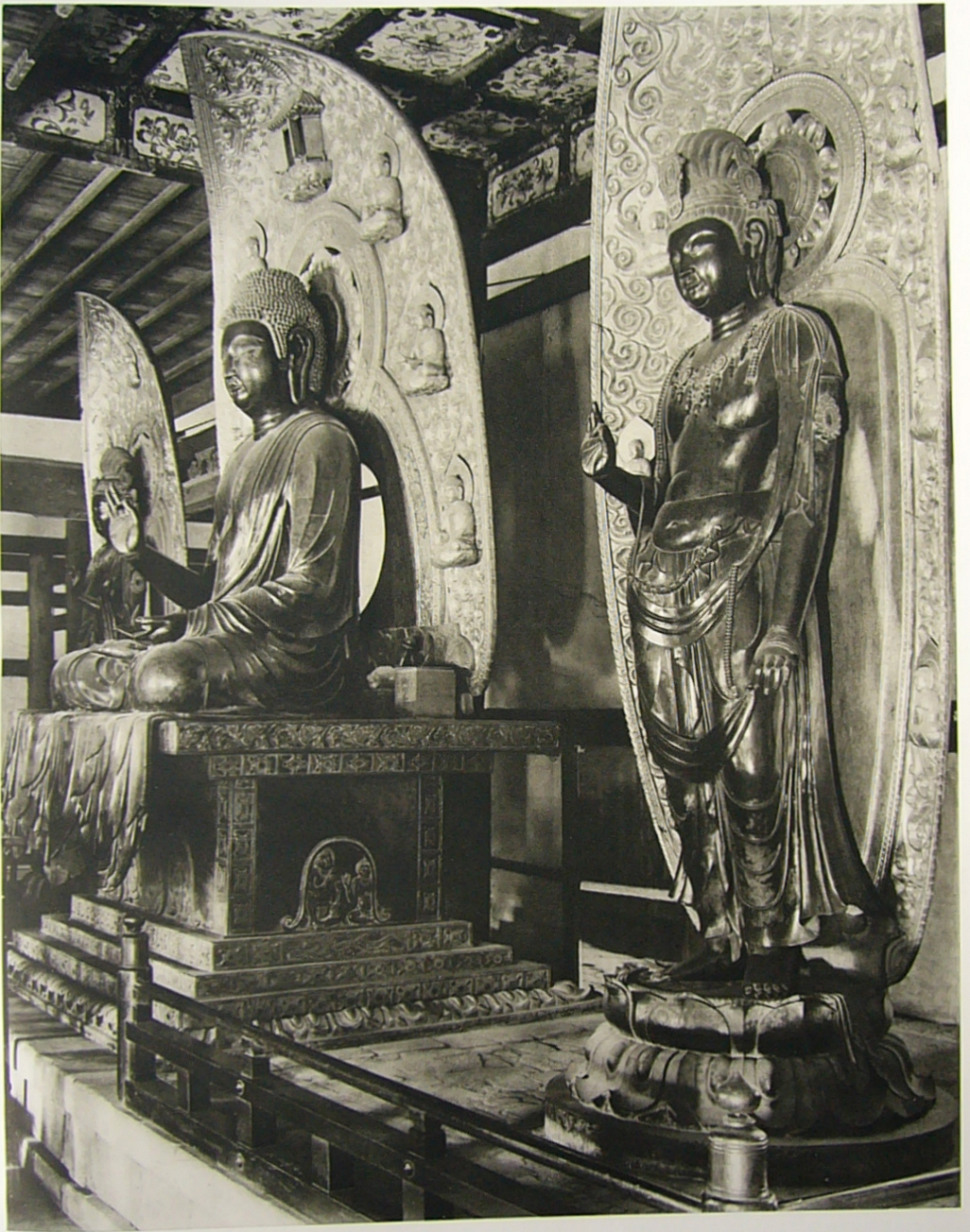

Overview and context
The era system (known as nengō) assigns names to stretches of years and was normally revised to mark significant events, auspicious omens, or administrative decisions. Kyōroku succeeded the Daiei era and was followed by the Tenbun era. Because the Japanese calendar in this period was lunisolar, the named years of Kyōroku overlap parts of Western calendar years.
Kyōroku belongs to the wider backdrop of the Sengoku (Warring States) era, when central authority was weak and regional warlords (daimyō) contested power. While the imperial court continued under Go‑Nara, the Ashikaga shogunate still existed in name and regional politics were defined by shifting alliances, military campaigns and local administration rather than by sustained national reform.
Characteristics and usage
- Dates: Kyōroku began in August 1528 and ended in July 1532 (commonly enumerated as Kyōroku 1–5).
- Primary uses: dating of official documents, religious texts, temple records, inscriptions and private diaries.
- Cultural role: era names appear on seals, commemorative works and later historical accounts to situate events in time.
For historians and archivists, Kyōroku provides a compact chronological window useful for dating manuscripts, land records and temple chronicles. Converting Kyōroku dates to modern Gregorian equivalents requires attention to the lunisolar months and occasional intercalary months used in premodern Japan.
To explore the naming system and adjacent intervals, consult introductions to the nengō practice and entries on the neighboring eras Daiei and Tenbun, which frame Kyōroku within the continuity of early 16th‑century Japanese chronology.
Related articles
Author
AlegsaOnline.com Kyōroku (享禄): Japanese era name, August 1528–July 1532 Leandro Alegsa
URL: https://en.alegsaonline.com/art/54770
Sources
- books.google.com : "Kyoroku"
- books.google.com : "Go-Nara Tennō,"
- books.google.com : Annales des empereurs du japon, pp. 372-382.
- google.com : Japan, p. 428
- books.google.com : p. 373.
- books.google.com : Japanese Culture, p. 207
- books.google.com : The Making of Modern Japan, p. 248
- books.google.com : "Ikki in Late Medieval Japan,"
- books.google.com : Economic Institutional Change in Tokugawa Japan, p. 8