
Kuwait City
Kuwait City is the capital and largest urban center of Kuwait, a coastal metropolis on the Persian Gulf known for its oil economy, modern skyline, government institutions and history including the 1990–1991 Iraqi occupation.
Overview
Kuwait City is the capital of the State of Kuwait and the country's principal political, cultural and commercial hub. The city and its metropolitan area lie on the southern shore of the Persian Gulf and are home to a large share of Kuwait's population—about 2.38 million in the metropolitan region according to common estimates. As the seat of national government, Kuwait City hosts the country's prime ministries and the national legislature, the Majlis Al-Umma, along with the headquarters of major banks and corporate groups. For official information see the national portal: Kuwait government.
Image gallery
10 Images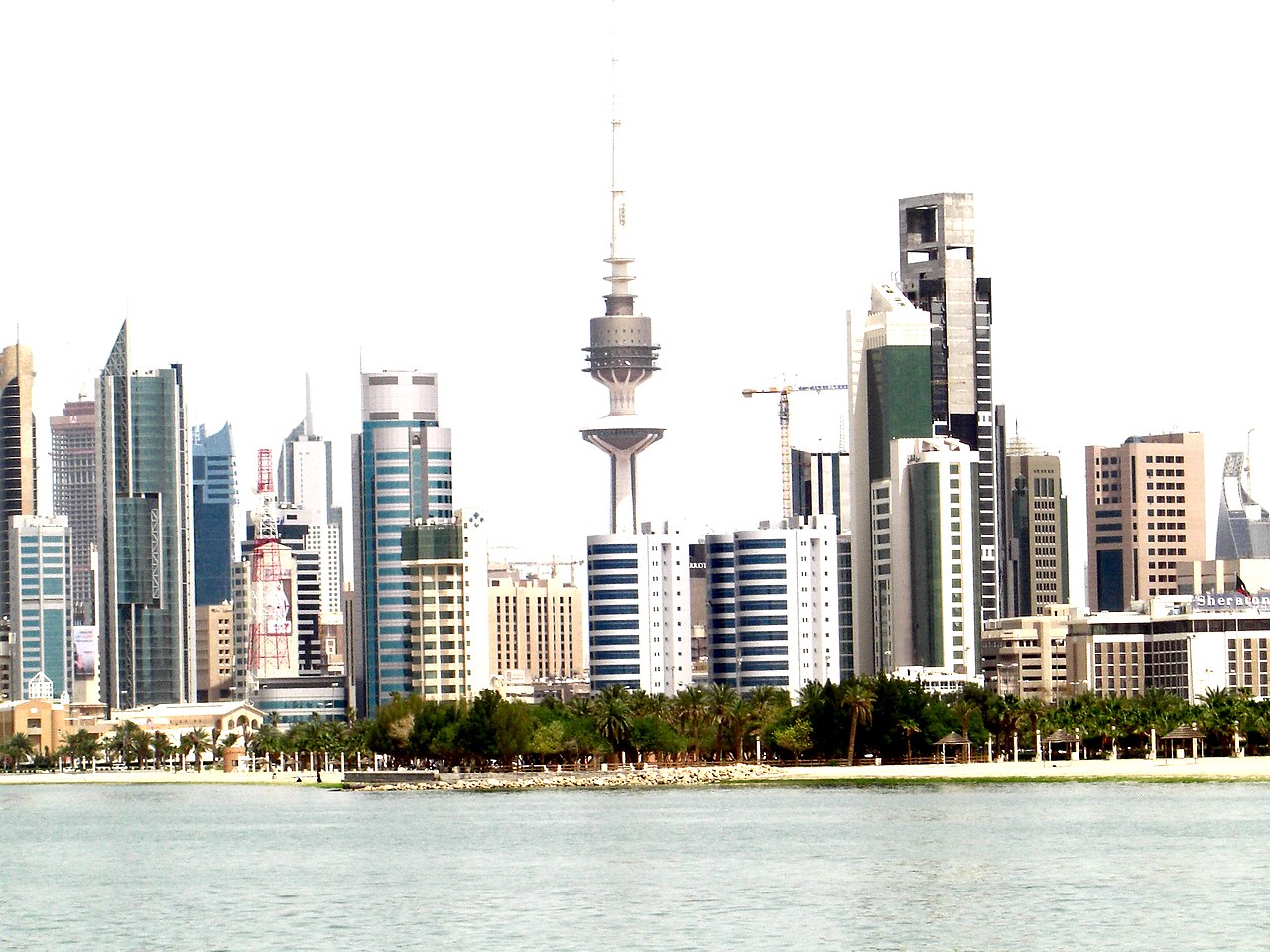




Geography and urban structure
Situated near the geographic centre of the country, the city grew from a coastal trading and fishing settlement into a dense urban area that includes older districts and newer business and residential districts. The metropolitan zone stretches inland from the waterfront and contains neighborhoods characterized by mixed commercial corridors, modern towers and shopping centres, as well as administrative complexes. The waterfront and harbor have long been focal points for trade and transport; contemporary air and sea links connect the city to the wider Gulf region and international markets. For maps and travel guidance consult local resources: city and metro data and regional guides: Persian Gulf region.
History and development
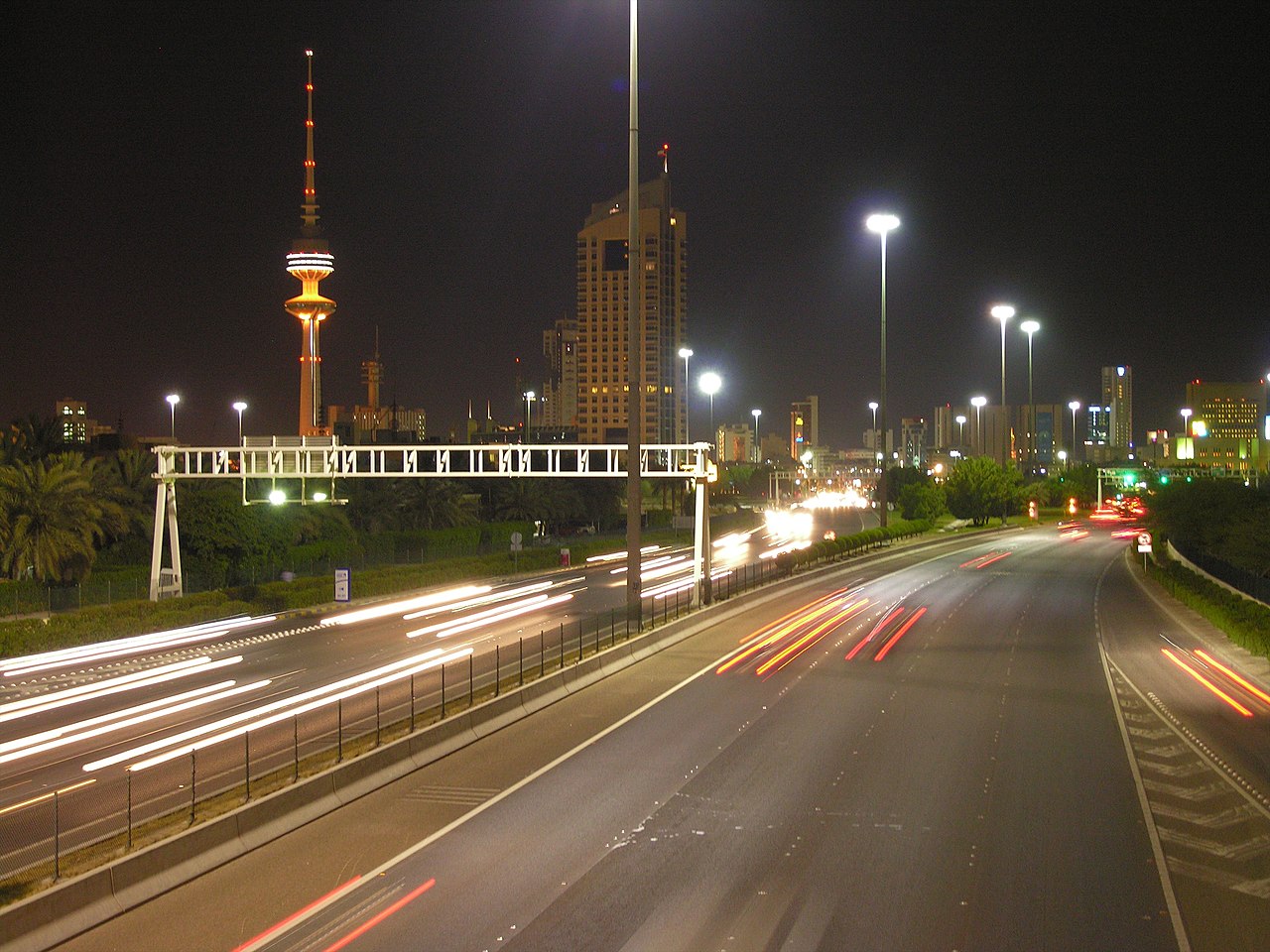
Kuwait City's transformation accelerated in the 20th century with the growth of the oil industry. The discovery and commercial development of oil brought rapid economic change, urban expansion and a rise in public investment. The city developed modern infrastructure, cultural institutions and a skyline of towers and public buildings. The modern era also includes a traumatic episode: in August 1990 Iraqi forces invaded Kuwait and occupied the country, leading to widespread destruction in the city during the occupation and subsequent fighting. Many public buildings and cultural sites were damaged; recovery and reconstruction followed the liberation. Historical and diplomatic accounts provide more details on those events: regional history and international perspectives: diplomatic records.
Economy, institutions and culture
Kuwait City's economy is dominated by the petroleum sector and associated services, including finance, shipping and trade. The city is the location of principal government ministries, the national parliament, major banks and national corporate headquarters. Cultural life includes museums, mosques and public festivals; there are museums and cultural centres that document the country's maritime heritage, Bedouin traditions and the modern oil era. The combination of traditional souqs and contemporary shopping centres reflects the city's mixed commercial character.
Climate and environment
Kuwait City has an arid desert climate with extremely hot summers, mild winters and very low annual rainfall. Dust storms can occur, especially in the dry months, and high temperatures in summer shape daily life, urban design and the calendar of outdoor activity. Water resources, urban heat management and coastal environmental concerns are recurring policy issues for planners and residents.
Notable features and practical information
- The city contains key national landmarks and administrative centres, including national governmental assemblies and major cultural institutions.
- Public transport, ports and an international airport support business and tourism; the city is a regional hub for commerce.
- Kuwait City's skyline, modern architecture and waterfront promenades coexist with older districts and traditional markets, offering a mix of contemporary and historical urban experiences.
For further reading and official announcements, see the government and regional information portals linked above. The city's modern identity reflects its role as the political heart of Kuwait, its economic reliance on hydrocarbon resources, and a continuing process of urban recovery, planning and cultural preservation.
Related articles
Author
AlegsaOnline.com Kuwait City Leandro Alegsa
URL: https://en.alegsaonline.com/art/54716
Sources
- commons.wikimedia.org : Kuwait City
- nationmaster.com : "NationMaster – Kuwaiti Geography statistics"
- cia.gov : "The World Factbook – Kuwait"
- beirut.gov.lb : beirut.gov.lb/MCMSTest/Menu-Pages/SisterCitiesEN.aspx?NRMODE=Published&NRORIGINALURL=%2fw…