
Kuyavian-Pomeranian Voivodeship
Poland's Kuyavian-Pomeranian Voivodeship is a north-central province with dual capitals Bydgoszcz and Toruń, formed in 1999; noted for rivers, mixed Kuyavian and Pomeranian heritage, industry and medieval Toruń.
Overview
The Kuyavian-Pomeranian Voivodeship is one of the 16 voivodeships of Poland, located in the north-central part of the country. It combines parts of the historic regions of Kuyavia and Pomerania and was created during the administrative reform of 1999. The province is notable for having two principal cities that share capital functions: Bydgoszcz and Toruń, a compromise that reflects local history and politics. The region's landscape is shaped by rivers, lowlands and forests, making it a mix of urban centres and agricultural areas.
Image gallery
10 Images


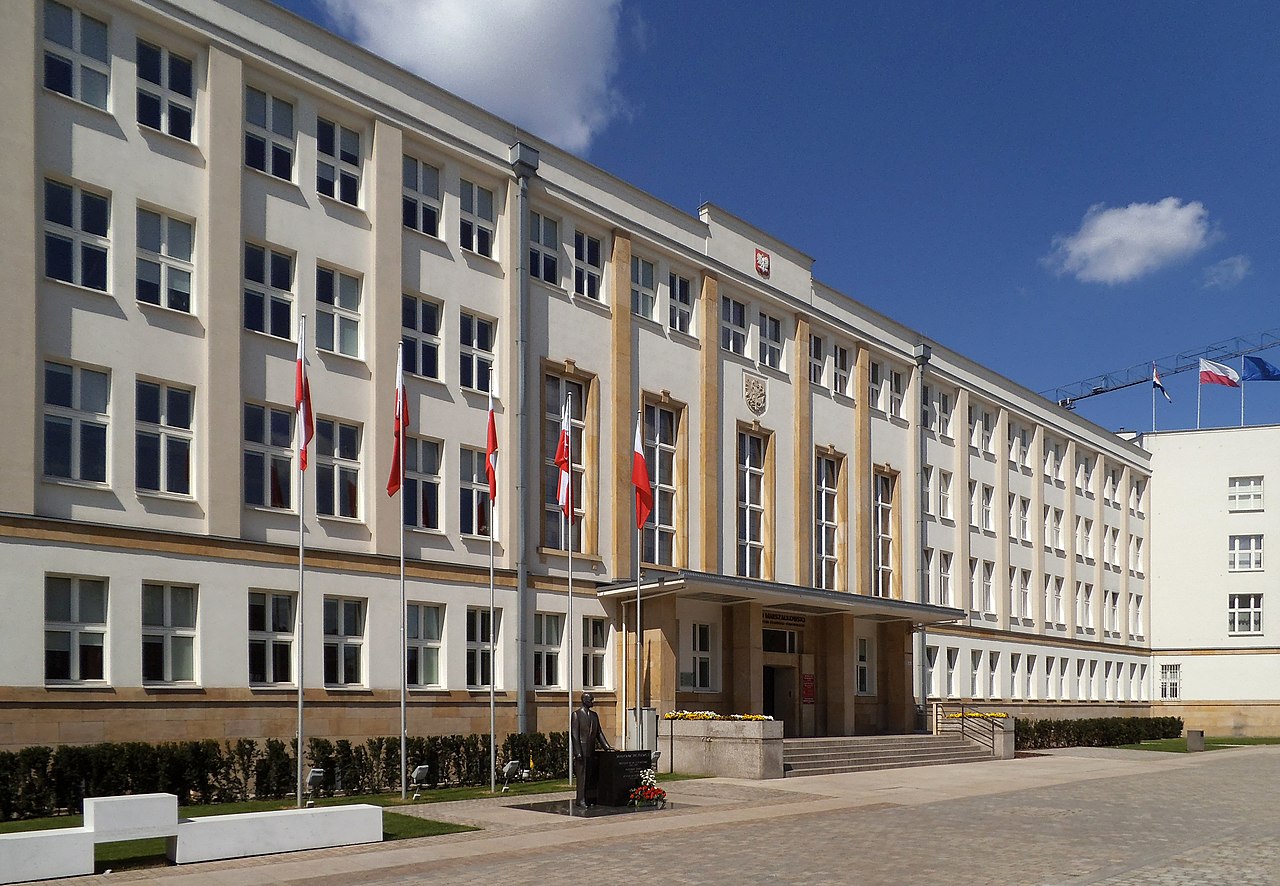

Geography and administration
The voivodeship stretches across river valleys and plainlands intersected by the Vistula and its tributaries. Administratively it is divided into counties and municipalities, with Bydgoszcz serving as the seat of the centrally appointed governor (voivode) and Toruń hosting the elected regional assembly. Major towns besides the two capitals include Włocławek and Grudziądz, each with local economic and cultural roles.
History and identity
The name reflects the joining of two historic provinces: Kuyavia (a fertile agricultural area) and parts of historic Pomerania (closer to the Baltic cultural sphere). The modern voivodeship was delineated in the late 20th century, but its urban centres date back to medieval times. Toruń is particularly famous for its well-preserved medieval core and as the birthplace of the astronomer Nicolaus Copernicus; Bydgoszcz developed as a trade, industrial and transport hub on inland waterways and railways.
Economy, transport and culture
The region's economy mixes agriculture, food processing, manufacturing, services and logistics. River connections and rail links have long supported trade and industry. Cultural life is lively: Toruń’s historic architecture and cultural festivals attract visitors, while Bydgoszcz is known for music institutions, museums and urban revitalization projects. Education and research are important in both cities, with universities and technical schools contributing to regional development.
Notable features and tourism
- Rivers: Vistula, Brda and Noteć shape transport, recreation and local ecosystems.
- Historic urban centres: Toruń’s medieval layout and Bydgoszcz’s riverfront quarter.
- Natural areas: mixed forests, wetlands and protected reserves that attract outdoor enthusiasts.
- Cultural highlights: museums, music festivals, and culinary traditions rooted in Kuyavia.
This voivodeship is often recommended for visitors seeking a blend of medieval heritage, river landscapes and contemporary Polish urban life. For more context about Poland or regional governance see general resources about Poland and its administrative divisions.
Further reading and regional information can be found through city portals for Bydgoszcz and Toruń, which offer practical visitor information, histories and cultural calendars.
Related articles
Author
AlegsaOnline.com Kuyavian-Pomeranian Voivodeship Leandro Alegsa
URL: https://en.alegsaonline.com/art/54720
Sources
- hdi.globaldatalab.org : "Sub-national HDI - Area Database - Global Data Lab"
- stat.gov.pl : .pdf
- commons.wikimedia.org : Kuyavian-Pomeranian Voivodeship