
Kutná Hora — historic Czech mining town and UNESCO site
Kutná Hora is a historic town in the Central Bohemian Region of the Czech Republic, famed for medieval silver mining, Gothic architecture and the Sedlec Ossuary; its centre became a UNESCO World Heritage Site in 1995.

Overview
Kutná Hora is a town in the Czech Republic, situated in the Central Bohemian Region. It grew up around rich silver deposits and was established in the 13th century as a mining settlement. The population has varied over time; early 21st-century figures record roughly 21,600 inhabitants.
Image gallery
10 Images




History and development
The discovery of silver transformed the area into one of medieval Bohemia's most important economic centres. Wealth from mining supported royal institutions, coin minting and ambitious ecclesiastical building projects. Over centuries Kutná Hora evolved from a mining camp into a regional administrative and religious hub.
Notable landmarks
The town preserves prominent medieval and later monuments. Key sites include:
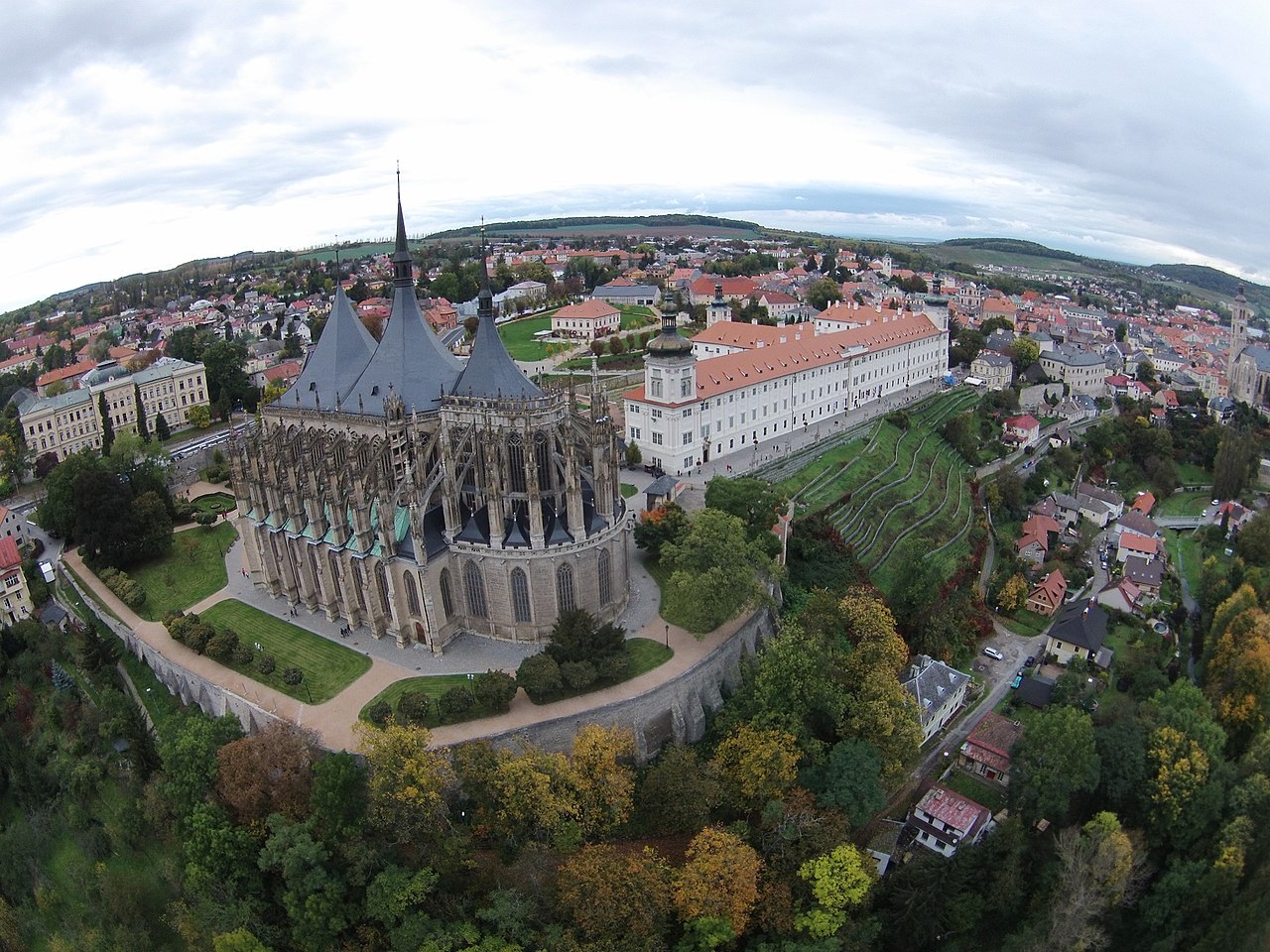
- St. Barbara's Church — an ornate Gothic cathedral dedicated to the patron saint of miners.
- Sedlec Ossuary — a small chapel decorated with human bones and a distinctive macabre interior.
- Historic town centre with stone houses, former minting facilities and ecclesiastical complexes.

UNESCO recognition and significance
In 1995 the historic centre, including principal monuments such as St. Barbara's Church and the Sedlec burial complex, was inscribed on the UNESCO World Heritage List as an outstanding example of a medieval mining town whose industrial wealth shaped urban and artistic development.
Present-day Kutná Hora
Today the town is a cultural and tourist destination: museums, guided walks, and festivals interpret its mining past and architectural legacy. Its combination of industrial history and striking sacred architecture makes Kutná Hora notable among Central European historical towns.
Distinctive facts
Besides its mining origins, Kutná Hora is often cited for its influence on Bohemian coinage and the unusual artistry of the Sedlec Ossuary. Visitors encounter a compact historic core where medieval urban planning and grand religious projects remain visible.
Related articles
Author
AlegsaOnline.com Kutná Hora — historic Czech mining town and UNESCO site Leandro Alegsa
URL: https://en.alegsaonline.com/art/54706
Sources
- whc.unesco.org : "UNESCO page on Kutná Hora"