
Kuwana, Mie
Kuwana is a coastal city in Mie Prefecture on Honshū, Japan. It has historic ties to the Tōkaidō, a mix of riverine and coastal landscapes, seasonal attractions, and links to nearby Nagoya and Ise Bay.
Overview
Kuwana is a city in Mie Prefecture on the island of Honshū, Japan. Positioned near the mouth of several major rivers and facing Ise Bay, Kuwana has long served as a regional hub for travel, commerce, fishing and agriculture. Today it combines modern industry and transport connections with historical sites and seasonal tourism.
Image gallery
10 Images




Geography and historical background
The city occupies low-lying terrain at the edge of the Nōbi Plain where river channels drain into Ise Bay. In earlier periods Kuwana grew as an important waystation and ferry point on coastal and inland routes, including the coastal Tōkaidō corridor that linked eastern and western Japan. Its rivers and tidal flats shaped local livelihoods and transportation, and nearby wetlands have influenced land use and reclamation over time.
Main attractions
Kuwana offers a mix of cultural and natural attractions that draw visitors seasonally. Notable highlights include:
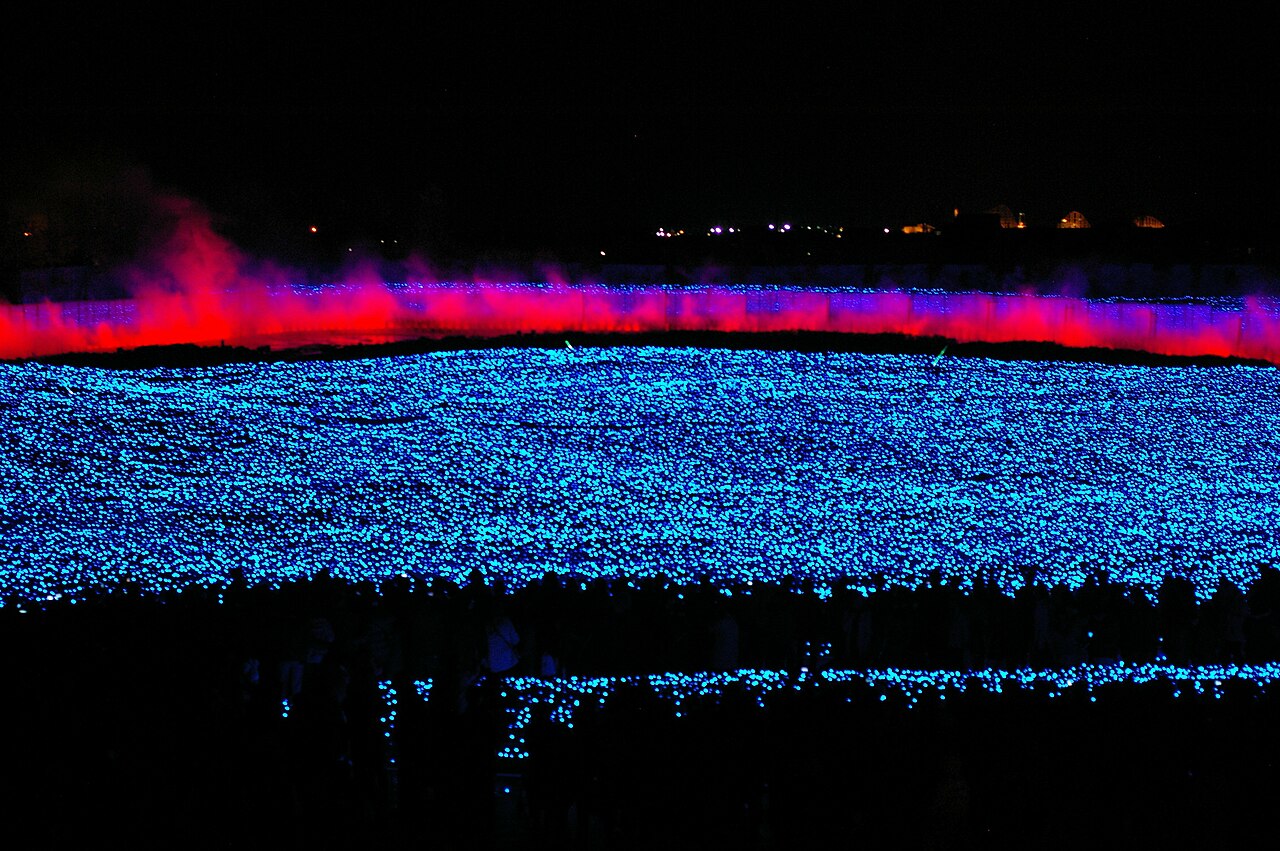
- Nabana no Sato flower park and its well-known winter illumination displays.
- Remnants and reconstructions related to the city's role as an Edo-period post town and castle precincts.
- Coastal scenery and areas used for fishing and aquaculture along Ise Bay.
For more on visiting and local sights, see the city’s tourism and information resources: Kuwana attractions and travel.
Transport and economy
Kuwana is connected by regional rail and road networks linking to nearby urban centers, including Nagoya and other cities in Mie and Aichi prefectures. These connections support a mixed economy of light manufacturing, logistics, fisheries and agriculture, together with services that cater to commuters and tourists. For details on administrative and local services, consult the municipal pages: official city information.
Culture, festivals and distinctions
Local culture reflects Kuwana’s riverine and coastal setting. Seasonal festivals, traditional music and community events celebrate maritime heritage and agricultural cycles. The city’s history as a post town on routes to important shrines and its role in regional trade remain important themes in local museums and interpretation centers. General background about the prefecture and surrounding region: Mie Prefecture overview and historical context on the old coastal routes: Tōkaidō and regional travel.
Visitors and researchers often approach Kuwana as a place where Edo-period transportation, coastal ecosystems, and contemporary urban life intersect—offering accessible cultural sites, seasonal displays, and practical links to larger metropolitan areas.
Related articles
Author
AlegsaOnline.com Kuwana, Mie Leandro Alegsa
URL: https://en.alegsaonline.com/art/54719
Sources
- books.google.com : "Tōkaidō"