
Kukës County (Albania): geography, administration, and cultural highlights
Kukës County is a mountainous, sparsely populated region in northeastern Albania bordering Kosovo, Montenegro and North Macedonia. It includes the districts of Has, Kukës and Tropojë and the city of Kukës.
Overview
Albania's Kukës County occupies a rugged, largely mountainous area in the country's northeast, known for highlands, deep river valleys and a dispersed rural population. The county seat is the city of Kukës, which functions as the administrative and commercial centre for the surrounding districts. The region is one of the twelve first-level administrative divisions of the country and remains important for cross-border connections with neighbouring states.

Image gallery
10 Images



Administrative divisions
Kukës County is traditionally divided into three main districts, each with distinct local geography and cultural traits. These districts are:
These subdivisions contain a mix of small towns and mountain villages and are governed through municipal authorities that oversee local services and rural development.Geography and climate
The county lies where the high peaks of northern Albania descend into river valleys. The Drin River and its reservoirs shape much of the local landscape, creating dramatic gorges and hydroelectric installations. Kukës County borders Kosovo to the east, Montenegro to the northwest and North Macedonia to the southeast. Altitudes vary widely, producing a climate that can be continental in the interior highlands with cold winters and milder conditions in lower valleys. For a quick geographic reference see the approximate coordinates: 42.17°N, 20.33°E.
History, culture and society
Kukës has a long tradition of highland customs, pastoralism and seasonal transhumance. Its people maintain folk music, regional crafts and cuisine tied to mountain life. In recent history the county drew international attention in 1999 when the local population provided shelter to thousands of refugees from neighbouring Kosovo; the response is frequently cited as an example of community solidarity in times of crisis. Cultural life today combines traditional rural practices with growing ties to national institutions and cross-border exchange.
Economy, transport and tourism
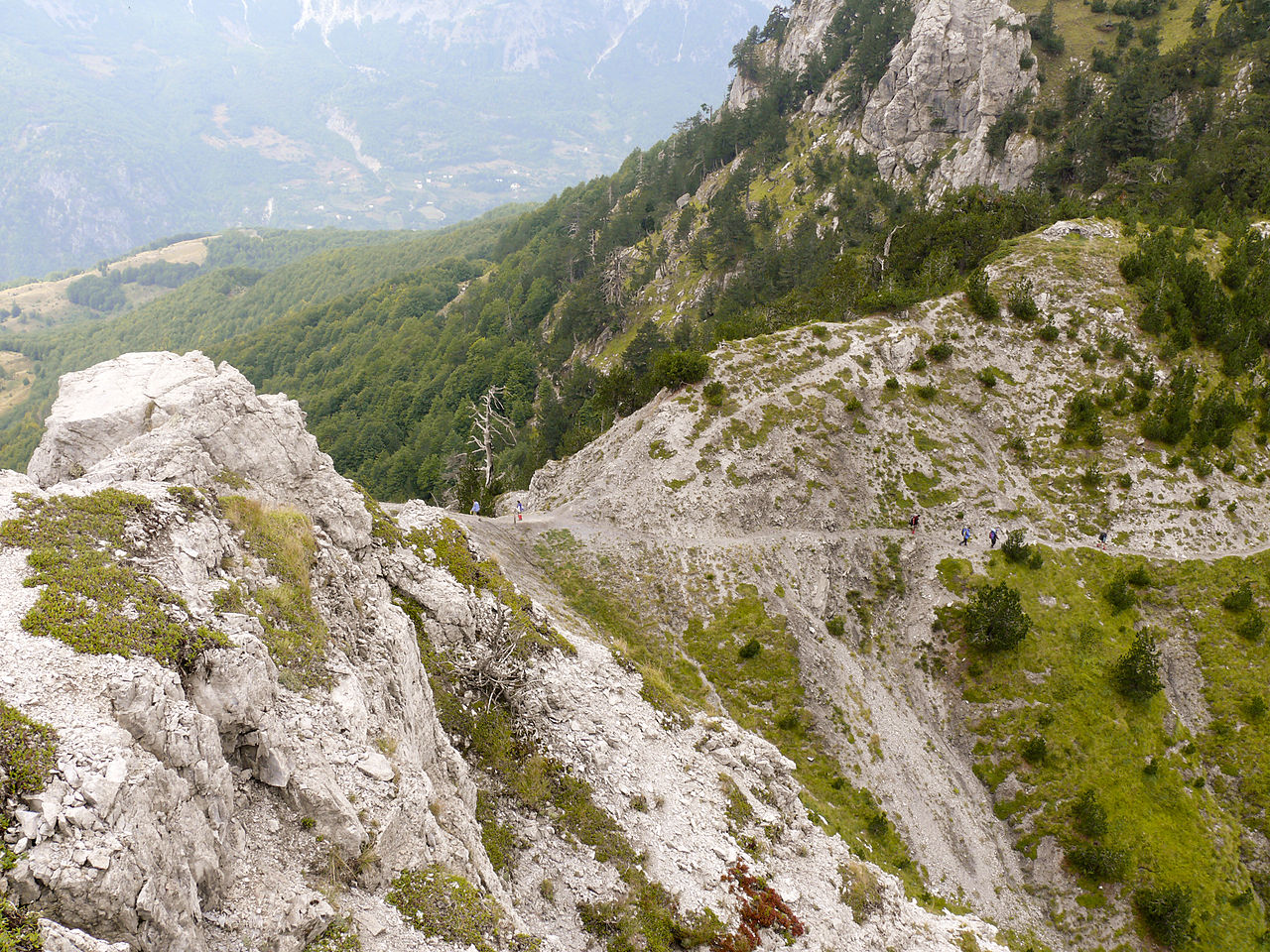
The local economy is based on small-scale farming, livestock, forestry, hydropower and trade. Hydroelectric reservoirs and dams on the Drin river system contribute to national energy production and shape local employment. Road links and border crossings connect Kukës with neighbouring countries, supporting commerce and seasonal migration. The county also offers growing potential for nature tourism: mountain trekking, alpine valleys and protected areas attract visitors seeking outdoor activities, particularly in the Tropojë area.
Notable features and distinctions
Visitors and researchers often note Kukës County for its dramatic landscapes, relatively low population density and strong cross-border cultural ties. Its combination of highland scenery, traditional village life and strategic location on Albania's northern frontier makes it significant for regional development, conservation initiatives and studies of frontier communities.
Related articles
Author
AlegsaOnline.com Kukës County (Albania): geography, administration, and cultural highlights Leandro Alegsa
URL: https://en.alegsaonline.com/art/54560