
Kulgam — town and administrative area in Jammu and Kashmir
Kulgam is a town in south Kashmir, known as an administrative centre and valley of agricultural and cultural importance. It sits in a hilly, river-fed landscape and has historic ties to Anantnag.
Kulgam (Urdu: تحصیل کلگام) is a town and administrative locality in the southern part of the Kashmir Valley, in the Indian union territory of Jammu and Kashmir. Long associated administratively with nearby Anantnag, Kulgam today functions as a regional centre for surrounding rural communities and market towns.
Image gallery
3 Images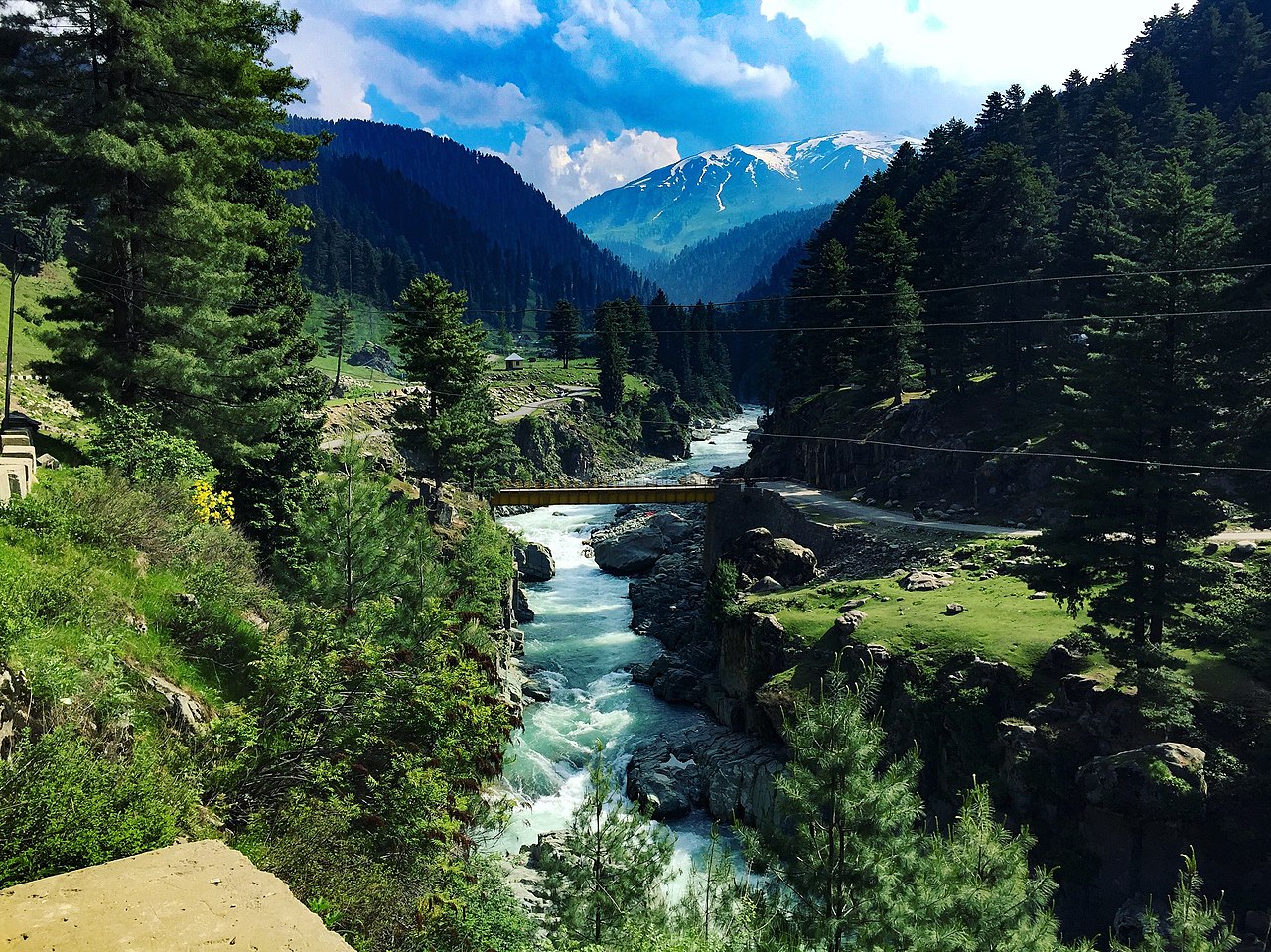


Geography and environment
The area is characterised by steep, forested hills and narrow river valleys. Small tributaries and the Veshaw basin drain much of the territory, feeding irrigated fields and orchards. The climate is temperate to cold, with chilly winters and mild summers; local vegetation includes walnut and apple orchards, pastureland and mixed broadleaf forests.
Administration and history
Historically a tehsil within the larger Anantnag district, Kulgam has served as a local administrative and market centre for nearby villages. Over time its role expanded to provide district-level services, law and revenue administration, and rural development coordination for the surrounding belt of south Kashmir.
Key features of Kulgam include:
- A valley setting with riverine and terraced agricultural land;
- A predominantly agrarian economy with orchard cultivation and seasonal crops;
- A local administrative headquarters providing government and civic services;
- Cultural ties to Kashmiri traditions, language and handicrafts.
Local society is rooted in village networks and seasonal agricultural cycles. Markets in the town serve as collection points for fruit, timber and other produce, while small-scale crafts and services support the rural economy.
Transport links are mainly by road, connecting Kulgam with larger urban centres in the valley. The nearest major rail and air connections are located outside the immediate area, while local roads and rural tracks tie villages to the town. Kulgam's landscape, economy and administrative role make it an important component of south Kashmir's regional structure.
Related articles
Author
AlegsaOnline.com Kulgam — town and administrative area in Jammu and Kashmir Leandro Alegsa
URL: https://en.alegsaonline.com/art/54575