
Krzysztof Penderecki — Polish Composer and Conductor
Krzysztof Penderecki (1933–2020) was a leading Polish composer and conductor who advanced modern sonority, moving from avant‑garde experimentation to a later, more lyrical and sacred-oriented style.
Krzysztof Penderecki (23 November 1933 – 29 March 2020) was a Polish composer and conductor whose work had a profound impact on postwar classical music. Born in Dębica and long associated with Kraków, he achieved international prominence in the 1960s with radical new sonorities and remained a prominent figure through a long and varied career. His music ranges from extreme avant‑garde textures to later works that reincorporate melody, large‑scale form and sacred traditions.
Image gallery
8 Images
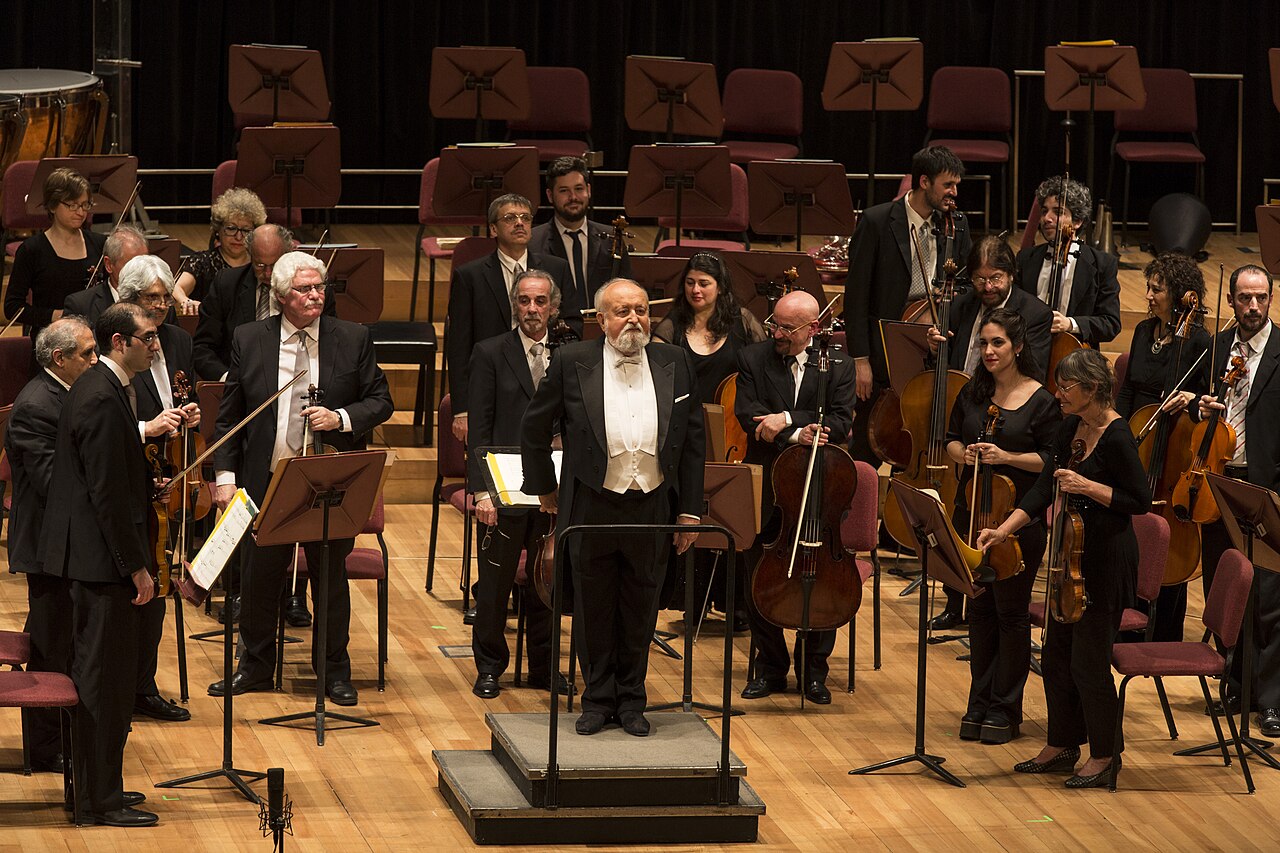
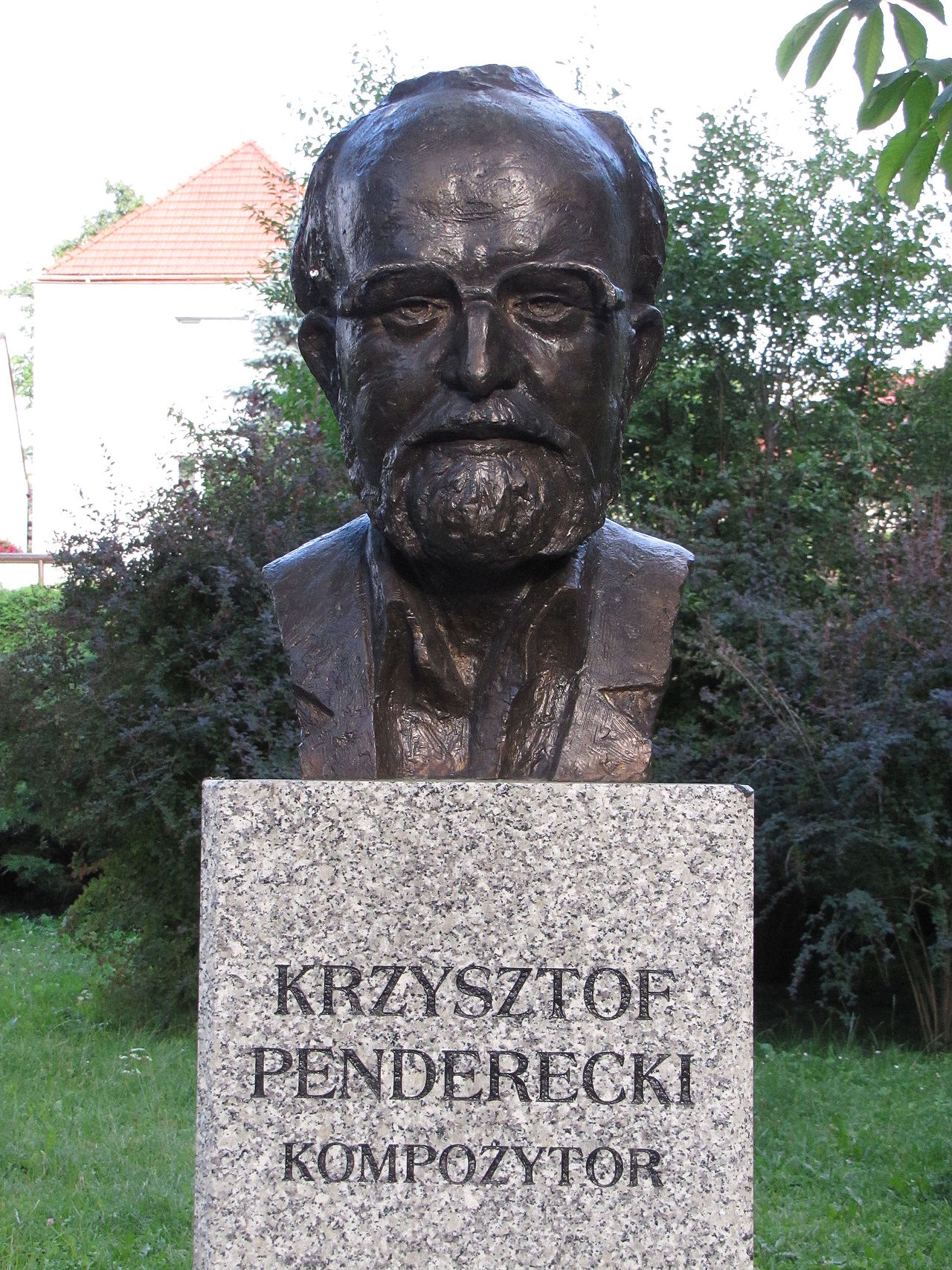


Biography and professional activity
Penderecki trained in Poland and became active as both a composer and conductor. Over decades he premiered works with leading orchestras and ensembles, participated in international festivals, recorded extensively, and worked with performers and younger composers. He also engaged in teaching and mentorship, contributing to musical life in Poland and abroad. Penderecki died in Kraków on 29 March 2020 after a long illness.
Musical language and techniques
Critically, Penderecki's output is often described in two broad phases. In his early period he explored novel timbral possibilities: cluster chords, unconventional bowing and extended instrumental techniques, dense textures and notational experiments that emphasized sonority over traditional melody and harmony. These pieces created unsettling and powerful soundscapes that influenced many composers and performers.
From the 1970s onward he moved toward a more eclectic and expressive language. He retained many of his earlier devices but combined them with clearer melodic lines, contrapuntal writing, and references to historical and sacred forms. This synthesis produced large‑scale symphonic and choral works noted for their dramatic weight and emotional directness.
Major works
- Threnody to the Victims of Hiroshima — an early string orchestra piece that became one of his most famous works for its intense clusters and extended techniques evoking collective grief.
- St. Luke Passion — a monumental sacred composition that brought liturgical tradition into the contemporary idiom and established Penderecki as a major voice in large vocal forms.
- Polish Requiem — a multi‑movement commemorative work combining national and religious elements in a requiem framework.
- Anaklasis and Utrenja — among several pieces that showcase his rhythmic innovation, orchestral color and choral writing.
- Numerous symphonies, concertos and chamber works that chart his movement from avant‑garde experimentation to a more tonal and expressive stance.
Career highlights and film use
Penderecki's striking sonorities attracted attention beyond the concert hall. Several of his orchestral and choral pieces have been used in films and other media, introducing his sound world to broader audiences. As a conductor he led performances of his own works and those of others across Europe, appearing at festivals and on recordings that spread his influence internationally.
Awards and honours
Over his lifetime Penderecki received many state and international honours. Among these are Polish state decorations and international prizes: he received awards such as the Commander's Cross and the Knight's Cross of the Order of Polonia Restituta in the 1960s, the Prix Italia in the late 1960s, the Wolf Prize in Arts, and multiple Grammy Awards across several decades. These recognitions reflect the wide esteem in which his work was held.
Legacy
Penderecki's influence is felt among composers, performers and filmmakers who draw on his explorations of timbre, texture and dramatic form. His early works remain key examples of 20th‑century sonic experimentation; his later output is often cited for its reconciliation of modern techniques with tradition and expressive immediacy. His catalogue continues to be performed and recorded worldwide.
For further biographical summaries, critical essays and selected discographies consult curated resources and reference collections: biographical resources, articles in music journals and festival catalogues at specialist music pages, composer profiles and label pages at record and festival sites, and recording and award archives at reference databases.
Related articles
Author
AlegsaOnline.com Krzysztof Penderecki — Polish Composer and Conductor Leandro Alegsa
URL: https://en.alegsaonline.com/art/54525
Sources
- theguardian.com : "Jonny Greenwood reveals details of Krzysztof Penderecki collaboration"
- grawemeyer.org : "1992 – Krzysztof Penderecki – Grawemeyer Awards"
- kultura.gazeta.pl : Nie żyje Krzysztof Penderecki. Wybitny polski kompozytor i dyrygent miał 86 lat