
Kraftwerk: Pioneers of German Electronic Music
Kraftwerk, formed in early 1970s Germany, are pioneers of electronic music whose minimalist, machine-like sound and use of synthesizers and sequencers shaped synth-pop, techno and modern sampling.
Overview
Kraftwerk are a German electronic music group formed in the early 1970s. Widely regarded as one of the most influential acts in contemporary music, they developed a distinctive aesthetic built on minimalism, repetition and a deliberate machine-like presentation. Their work reframed the role of technology in music, treating machines not only as instruments but also as subject matter.
Image gallery
7 Images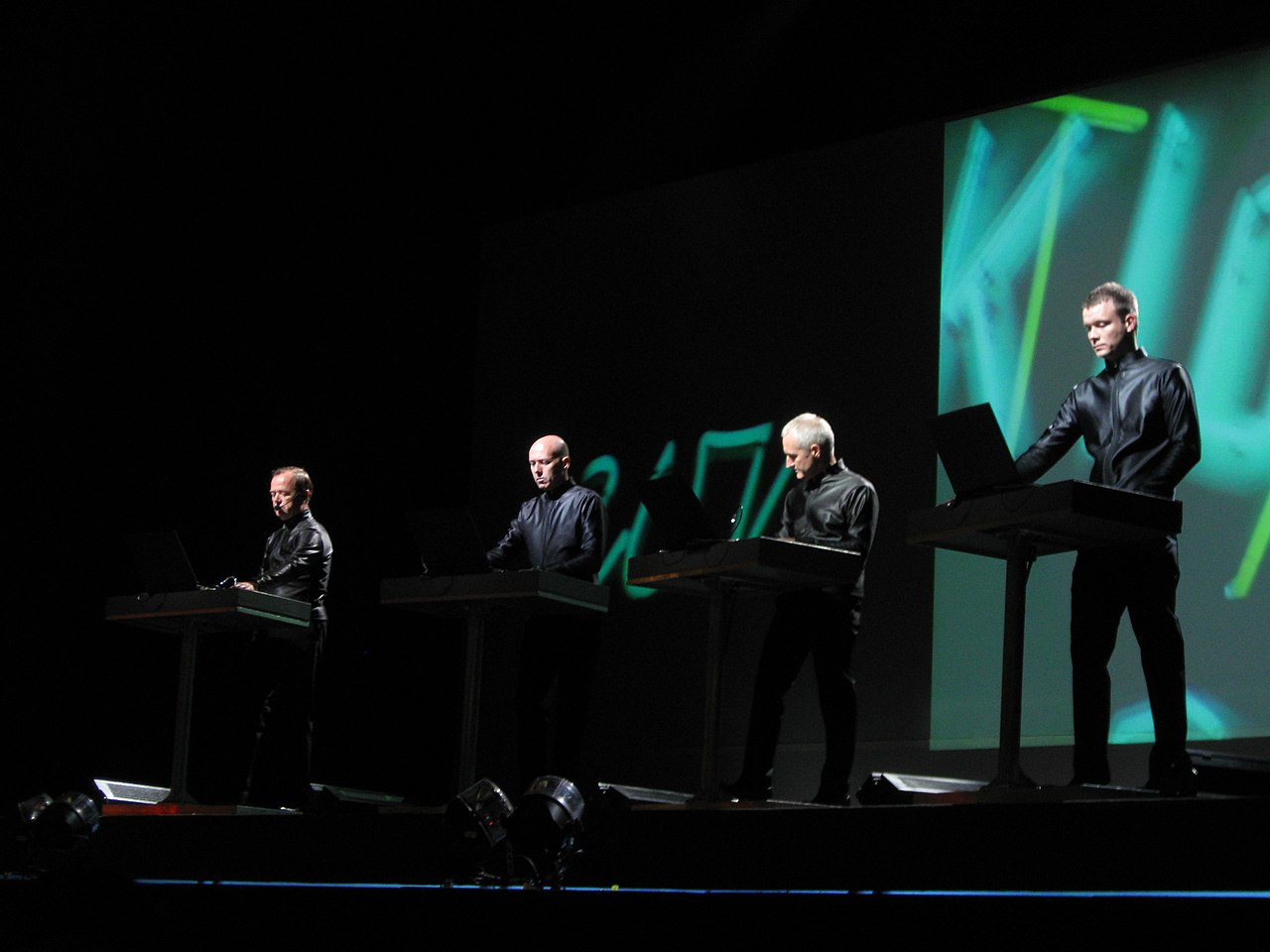


History and members
The band emerged from experimental and progressive rock scenes in Germany, with core creative leadership that moved the group steadily toward fully electronic production. Early lineups included musicians who had explored improvisation and electronics; over time the project coalesced around a smaller group of primary composers and performers. One founding figure maintained the ensemble's continuity while collaborators rotated across decades, contributing to studio and live projects.
Sound, instruments and techniques
Kraftwerk's studio approach emphasized synthesized timbres and precise, repeating patterns. They were early adopters of the compact electronic instruments that defined late 20th‑century music, making extensive use of synthesizers and sequencers to generate steady, motoric pulses and interlocking melodic lines. The resulting rhythms and melodies are often spare and highly geometric: simple tones and arpeggiated figures are arranged and processed to create an impression of clinical precision. Vocals were sometimes delivered in a restrained, deliberately robotized fashion, or processed to emphasize synthetic qualities.
Key albums and themes
Throughout the 1970s and early 1980s the group released a sequence of albums that established their international reputation. Notable records explore themes of mobility, communication, industry and the urban environment, using concise song structures and repeated motifs. Works such as Autobahn, Trans‑Europe Express, The Man‑Machine and Computer World became touchstones for later popular and underground music movements.
Live presentation and visual identity
Kraftwerk treated concerts as multimedia events. Live shows combined playback, live manipulation and stark visual elements to underline the relationship between performer and technology. Costuming, stage design and projected imagery were used to create a consistent iconography—machines, transport systems and urban architecture recur across performances and artwork.
Influence and legacy
The group's techniques and aesthetic had a broad impact on subsequent genres, including synth‑pop, techno, electro and contemporary electronic dance music. Their emphasis on sequencing and programmatic sound anticipated later studio protocols and the integration of MIDI and digital tools. Kraftwerk's recordings have been widely sampled, referenced and reinterpreted across rock, pop, hip hop and electronic scenes; their minimalist approach helped normalize the synthesizer as a lead instrument.
Equipment, archives and public interest
Original instruments, custom equipment and studio apparatus associated with the band have drawn attention from collectors and historians. Items linked to their recordings and stage setups have appeared in public sales and auctions, attracting notable interest among enthusiasts and museums, including reports of pieces offered through an online auction.
Name and cultural context
The name Kraftwerk is a German word that literally translates as "power station", an image the group used to reflect industrial modernity and the idea of human systems powered by machines. Their work is frequently discussed in studies of postwar German culture, the development of electronic sound, and the relationship between technology and popular art.
Further reading and resources
For an extended band overview, technical histories of electronic instruments and sequencers, and archival material on performances and recordings, consult specialist music reference sources and documentary collections. Useful starting points include a general band overview, histories of electronic instruments such as sequencers, and cultural studies of Germany's postwar music scene available through curated archives and research libraries.
Related articles
Author
AlegsaOnline.com Kraftwerk: Pioneers of German Electronic Music Leandro Alegsa
URL: https://en.alegsaonline.com/art/54402