
Koyukuk, Alaska — small river city in Yukon-Koyukuk Census Area
Koyukuk is a small city in Alaska on the Koyukuk River, historically a Koyukon Athabascan settlement. It is remote, subsistence-oriented and faces riverbank erosion and permafrost-related threats.
Koyukuk is a small city in the Yukon-Koyukuk Census Area of Alaska. Located near the meeting of the Koyukuk and Yukon rivers, the community has long been centered on river travel and subsistence resources. Official counts have recorded only a few dozen to a few hundred residents at different times; the 2010 U.S. census reported 96 people. Its remote location, seasonal river access and strong ties to Indigenous culture shape daily life.
Image gallery
1 Image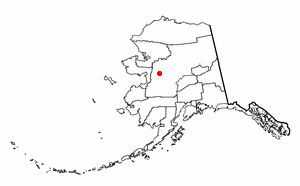
Characteristics and setting
Koyukuk sits within the subarctic zone, with long cold winters, short summers and extensive boreal vegetation. The settlement is reachable primarily by river during the ice-free season and by small aircraft in winter; there are no year-round road links to the Alaska highway system. Permafrost and river dynamics are important physical controls on local landscape and infrastructure.
History and culture
The area is part of the traditional homeland of the Koyukon (an Athabaskan-speaking people). For generations residents have relied on salmon, game, and forage plants. In the late 19th and early 20th centuries, river towns along the Yukon system developed as trading posts and supply points, served by steam-driven riverboats and itinerant traders. Alaska Native cultural practices, language use and subsistence patterns remain central to community identity.
Threats and community response
Koyukuk has been reported as vulnerable to riverbank erosion, a problem exacerbated by seasonal ice breakup, higher flows and thawing permafrost. Erosion can undermine buildings and community sites, forcing relocations or protective measures. Residents and regional agencies have pursued a mix of strategies such as moving structures inland, reinforcing banks, and monitoring changing conditions.
Economy, services and significance
- Economy: largely subsistence hunting, fishing and limited wage work.
- Transport: riverboats and small aircraft; seasonal barging supplies.
- Services: basic local governance, community facilities, and regional ties for health and education.
Although small in population, Koyukuk illustrates broader themes in northern communities: adaptation to a harsh climate, strong Indigenous connections, and increasing pressure from environmental change. For readers seeking more details about current population, local government or relocation efforts, regional planning resources and tribal councils often provide up-to-date information and context.
Related articles
Author
AlegsaOnline.com Koyukuk, Alaska — small river city in Yukon-Koyukuk Census Area Leandro Alegsa
URL: https://en.alegsaonline.com/art/54385