
Kotohira, Kagawa — town famous for Konpira Shrine and traditional culture
Kotohira is a town in Kagawa Prefecture on Shikoku, Japan, renowned for the Kotohira‑gū (Konpira) shrine, the historic Kanamaru‑za kabuki theatre and its long tradition of pilgrimage and tourism.
Kotohira (Kotohira‑chō) is a small town in Kagawa Prefecture on the island of Shikoku. It is best known as the setting for the Kotohira‑gū shrine, commonly called Konpira‑san, a historic maritime shrine that has drawn pilgrims and visitors for centuries. The town retains a strong traditional atmosphere, with narrow streets, souvenir shops, and inns that serve those climbing to the shrine.
Image gallery
8 Images




Overview and characteristics
Kotohira combines religious heritage with small‑town services. The shrine complex sits partway up a wooded hill and is connected to the town by a long stone stairway and pathways. The approach is lined with shops selling votive items, local sweets and crafts. The town center is compact and oriented toward visitors who come to pray, sightsee and attend cultural events.
History and cultural landmarks
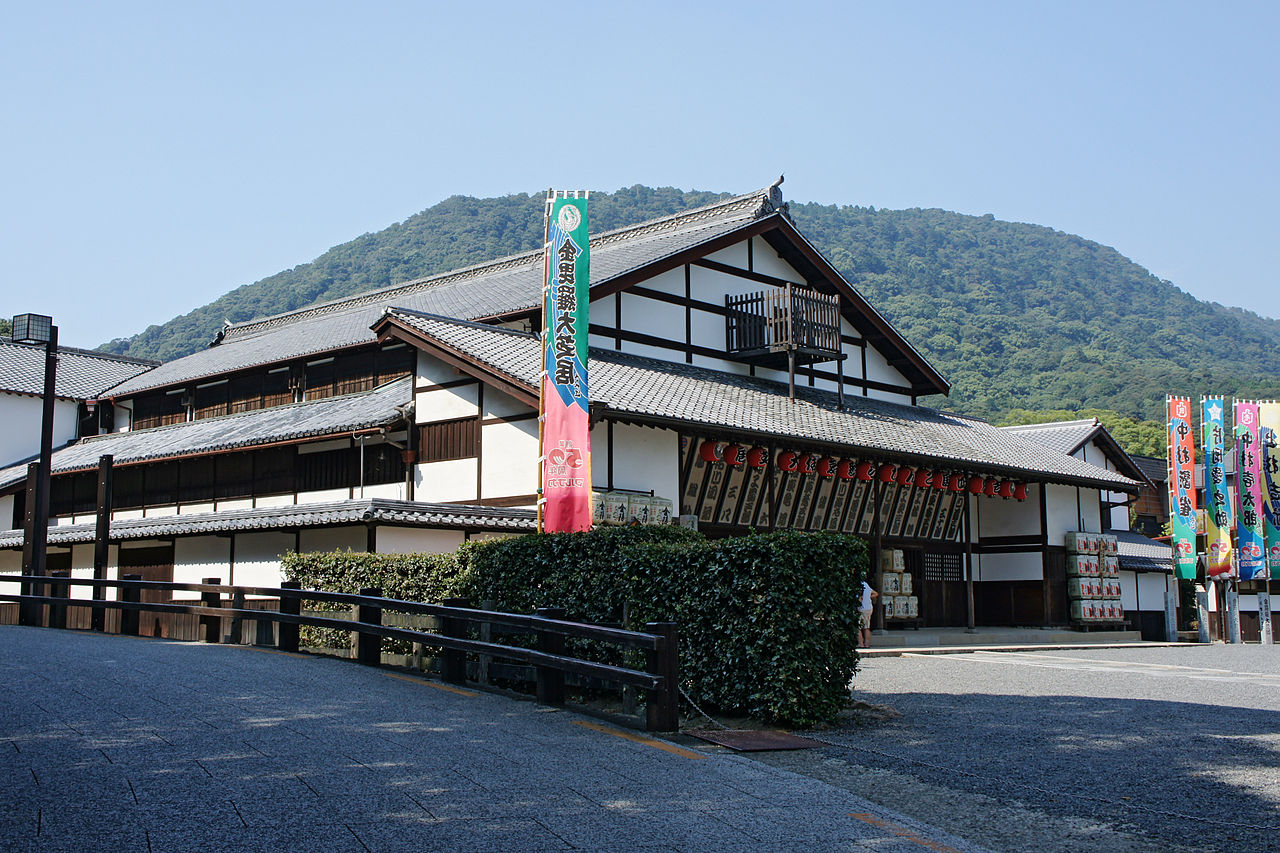
The town developed around Kotohira‑gū, historically a place where seafarers prayed for safety. Nearby stands the Kanamaru‑za, one of Japan's oldest surviving kabuki theatres, preserved in its Edo‑period style and occasionally used for performances and demonstrations. These sites illustrate Kotohira's role in both religious and performing‑arts traditions.
Main attractions and visitor information
- Kotohira‑gū (Konpira‑san): the shrine complex and its scenic stair approach.
- Kanamaru‑za: historic kabuki theatre with traditional architecture.
- Local shops, eateries and ryokan that cater to pilgrims and tourists.
Transport links connect Kotohira with larger cities on Shikoku, making it a common day‑trip or overnight destination. Visitors should expect a significant uphill walk to reach the shrine precincts; the climb and the preserved townscape are central to the experience.
Notable facts and distinctions
Kotohira remains an important cultural symbol in Kagawa Prefecture: its fusion of religious practice, maritime history and performing arts attracts both domestic and international visitors. Efforts to preserve historic buildings and to maintain traditional events help the town retain character while serving modern tourism. For more details and practical guides, see local resources and tourism pages: official town information.
Related articles
Author
AlegsaOnline.com Kotohira, Kagawa — town famous for Konpira Shrine and traditional culture Leandro Alegsa
URL: https://en.alegsaonline.com/art/54356
Sources
- books.google.com : Handbook to Life in Medieval and Early Modern Japan, p. 74
- japan-guide.com : "Kanamaruza Kabuki Theatre" at Japan-guide.com