
Kollikodon ritchiei — opalised monotreme known from teeth
Kollikodon ritchiei is an extinct monotreme known from an opalised tooth fragment found at Lightning Ridge, Australia. Its enlarged, bulbous teeth suggest a specialized feeding habit among early egg-laying mammals.
Kollikodon ritchiei is an extinct species of monotreme identified from a distinctive opalised dental fragment. The fossil consists of a section bearing a premolar and two molars preserved in opal, and it was recovered from the famous fossil-bearing deposits at Lightning Ridge in New South Wales, Australia. Because only dental material is known, much of its appearance and biology remains interpretive.
Image gallery
8 Images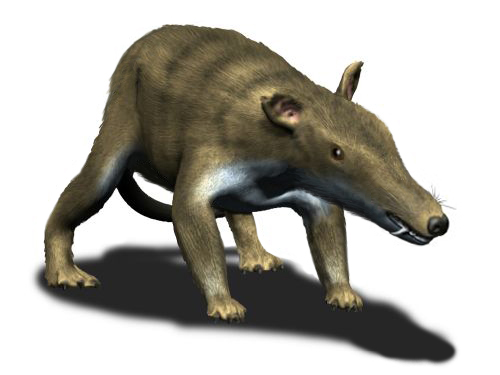


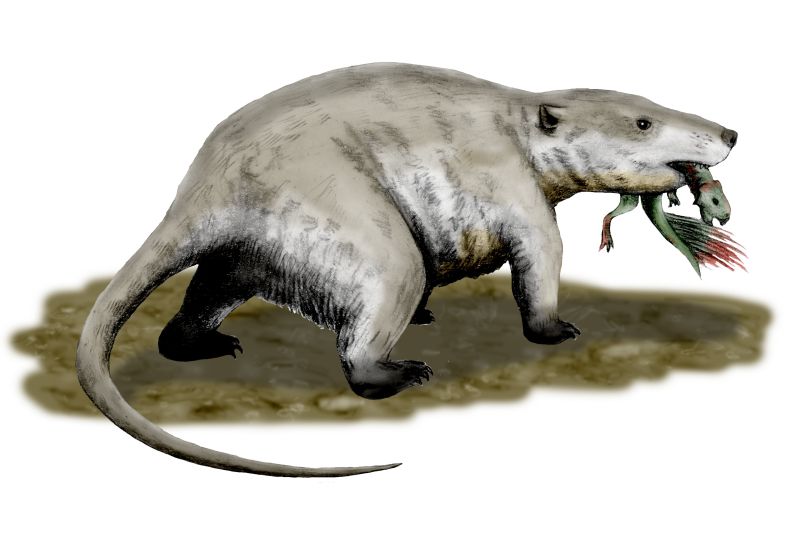

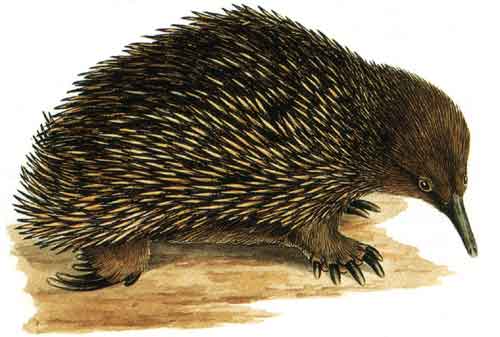
Overview and name
The genus name reflects the unusual tooth form: Kollikodon is often rendered as referring to a knobbly or lumpy tooth, while the species name commemorates the collector or researcher involved in its recognition. It is classified among monotremes, the egg-laying mammals that today include the platypus and echidnas (monotremes).
Teeth and inferred biology
The preserved teeth are large and bulbous compared with those of many other mammals of the same age. Their rounded cusps and robust enamel suggest an ability to crush hard or shelled prey, indicating a durophagous diet — feeding on animals such as molluscs or crustaceans. Tooth morphology is the main source for reconstructing feeding habits and ecological role.
Discovery and context
The specimen was found among the opalised fossils for which Lightning Ridge is well known; water-borne silica replaced bone and tooth material to produce opalised specimens. Opalisation both preserves fine detail and complicates conventional analysis because mineral replacement alters original tissues.
Significance and uncertainties
Kollikodon expands knowledge of monotreme diversity in the Mesozoic and hints at varied lifestyles among early egg-laying mammals. However, without skull or postcranial remains, its overall size, posture and precise relationships to living monotremes remain uncertain. For further taxonomic and specimen details see specialist resources on Kollikodon and regional fossil collections.
Related articles
Author
AlegsaOnline.com Kollikodon ritchiei — opalised monotreme known from teeth Leandro Alegsa
URL: https://en.alegsaonline.com/art/54177
Sources
- species.wikimedia.org : Kollikodon