
Kolkata: overview, history, culture, economy and urban profile
Kolkata (formerly Calcutta) is the capital of West Bengal, a major Indian metropolis on the Hooghly River known for its colonial heritage, cultural life, universities, industry and urban challenges.
Kolkata, officially renamed from Calcutta in 2001, is the capital city of West Bengal and a principal metropolis in eastern India. Situated on the east bank of the Hooghly River, the city grew from a cluster of trading posts into a dense urban region with a large metropolitan population. Kolkata's modern identity combines a colonial-era built environment, established educational and cultural institutions, and a continuing role as a regional commercial and transport hub. It is often discussed alongside other Indian megacities for its economic importance and urban pressures.
Image gallery
10 Images


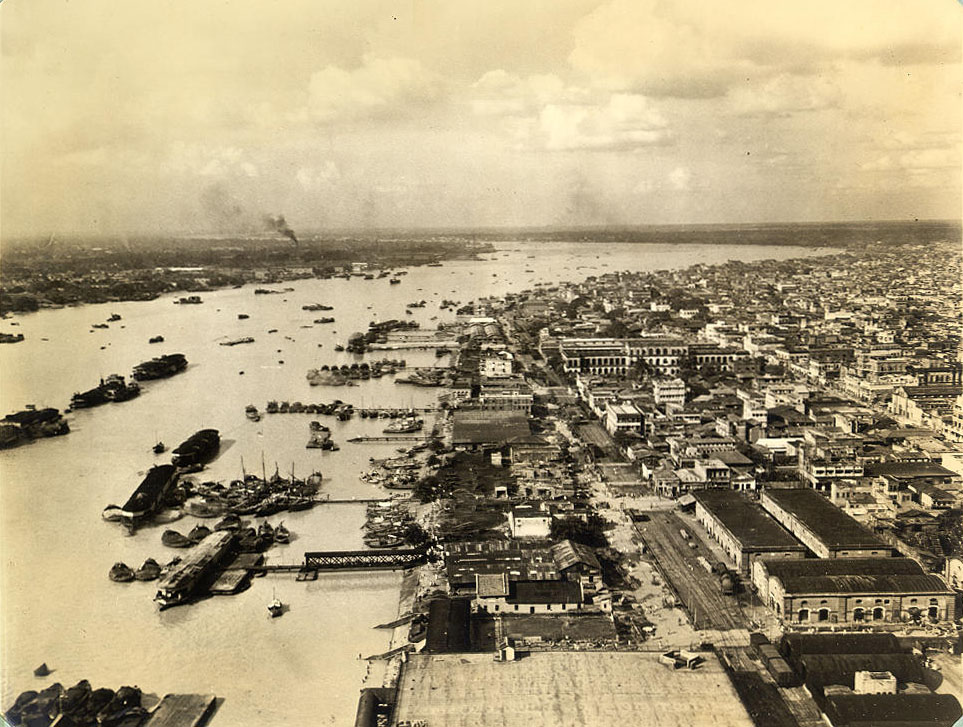


Geography and urban extent
The historic core of Kolkata lies close to the river; beyond it, a wide suburban and peri-urban belt extends the functional city into neighboring districts. Administratively, the city proper differs from the larger metropolitan area defined for planning and statistical purposes. The Hooghly River has shaped Kolkata's port facilities and waterfront, while the flat Gangetic plain around it influences patterns of settlement, transport corridors and flood risk. Many summaries of the city reference both the municipal limits and the greater metropolitan region when discussing population and ranking among Indian cities.
History and development
Kolkata rose to prominence in the 18th and 19th centuries as a major trading and administrative centre under British colonial rule; it served as the colonial capital until 1911 and retained a concentration of government offices, businesses and educational institutions thereafter. The city was a centre for the Indian independence movement and later for intellectual and political currents in modern India. Industrial growth, followed by phases of economic slowdown and political change through the 20th century, affected urban employment, public services and the character of neighbourhoods. Recent decades have seen renewed investment in information technology, services and infrastructure projects that aim to reinvigorate the local economy.
Economy, education and institutions
Kolkata hosts universities, research centres and long-established professional colleges that contribute to its reputation as an educational hub. Traditionally important sectors included manufacturing, riverine trade and rail-linked transport; in recent years the services sector — including finance, media and information technology — has become a larger share of activity. Major institutions, cultural societies and museums remain focal points for scholarly and civic life, and the city's economic landscape combines old industrial areas with newer business districts.
Culture, arts and landmarks
Kolkata is widely known for its literary, theatrical and artistic traditions. Annual festivals, public readings, film societies and theatre continue to animate public life. Landmarks range from colonial-era buildings and museums to neighbourhood markets, parks and places of worship. Typical visitors and residents encounter a mix of historical monuments, university campuses and street life that together form a rich cultural tapestry.
Transport, services and challenges
The city's transport network includes railways, surface streets, river crossings and a growing metro system that serves commuters across a wide area. Like other large Indian cities, Kolkata contends with air and water pollution, traffic congestion and disparities in housing and livelihood. Urban planners and civic agencies address these issues through infrastructure projects, slum upgrading, environmental measures and efforts to expand public transport. Persistent social and economic inequalities are a focus of policy debate and local activism.
Notable facts and further reading
- Former name: Calcutta; the renaming reflects linguistic and administrative change as well as local identity — see language and naming.
- River location: Kolkata's riverfront on the Hooghly influences commerce and culture — see river trade history and port facilities.
- Urban ranking: it is frequently listed among India's largest cities and among major metropolitan areas globally — consult city rankings and UN metropolitan definitions.
- Colonial legacy: the city's role under British rule shaped institutions and architecture — background at colonial history and administrative change.
- Economic change since mid-20th century: industrial shifts and political factors influenced development — see economic history, postwar politics, and industrial policy.
- Contemporary issues: urban poverty, pollution and congestion drive planning initiatives — resources at urban planning, environmental management, and transport policy.
- Recent growth: service-sector expansion and infrastructure investment since 2000 have altered the city economy — see recent economic trends and development projects.
For a deeper exploration of Kolkata's neighbourhoods, institutions and cultural life consult specialized histories, municipal plans and current reports from academic and civic sources. This article provides an orienting summary of the city's geography, history, cultural importance and contemporary challenges.
Questions and answers
Q: What is Kolkata?
A: Kolkata is the capital city of the Indian state of West Bengal, and it is the second largest city in India after Mumbai.
Q: Where is Kolkata located?
A: Kolkata is located on the east bank of the River Hooghly.
Q: What is the significance of the name "Calcutta"?
A: Calcutta is the old name of Kolkata, and when it is called Calcutta, it includes the suburbs, making it the third largest city of India.
Q: What is the world ranking of Kolkata as a metropolitan area?
A: According to the United Nations, Kolkata is the world's 8th largest metropolitan area.
Q: What was Kolkata's historical significance?
A: Kolkata served as the capital of India during the British Raj until 1911 and was once the center of industry and education.
Q: What problems has Kolkata faced since 1954?
A: Kolkata has faced political violence and economic problems since 1954, and it struggles with poverty, pollution, and traffic congestion like other metropolitan cities in India.
Q: How has Kolkata grown since 2000?
A: Kolkata has grown due to economic growth since 2000.
Related articles
Author
AlegsaOnline.com Kolkata: overview, history, culture, economy and urban profile Leandro Alegsa
URL: https://en.alegsaonline.com/art/54170
Sources
- india.gov.in : "National Portal of India : Know India : State and UTs"
- books.google.com : The Monthly Repository and Library of Entertaining Knowledge
- un.org : "World Urbanization Prospects: The 2005 revision"
- sg.travel.yahoo.com : "History"
- telegraphindia.com : "Pre-Raj crown on Clive House- Abode of historical riches to be museum"
- calcuttaweb.com : "Kolkata: History"
- tribuneindia.com : "Job Charnock not Kolkata founder: HC Says city has no foundation day"
- britannica.com : "William, Fort"
- en.wikisource.org : "Calcutta"
- kolkatahub.com : "History of Kolkata"
- theindianstar.com : "Shimla - more than just Raj nostalgia"
- interlinkbooks.com : "Calcutta; A Cultural and Literary History"
- hinduonnet.com : "Narcotics and empire"