
Kivalina, Alaska
Kivalina is a small Inupiat community on a barrier island in northwestern Alaska, notable for its subsistence culture and severe coastal erosion and climate-threatened relocation debates.
Overview
Kivalina is an Inupiat village located on a low barrier island off the northwest coast of Alaska, between a lagoon and the Chukchi Sea. The community is incorporated as a city and is often cited in discussions about coastal erosion, sea-ice loss, and climate adaptation. For municipal information see city resources and for broader state context see Alaska resources.
Image gallery
3 Images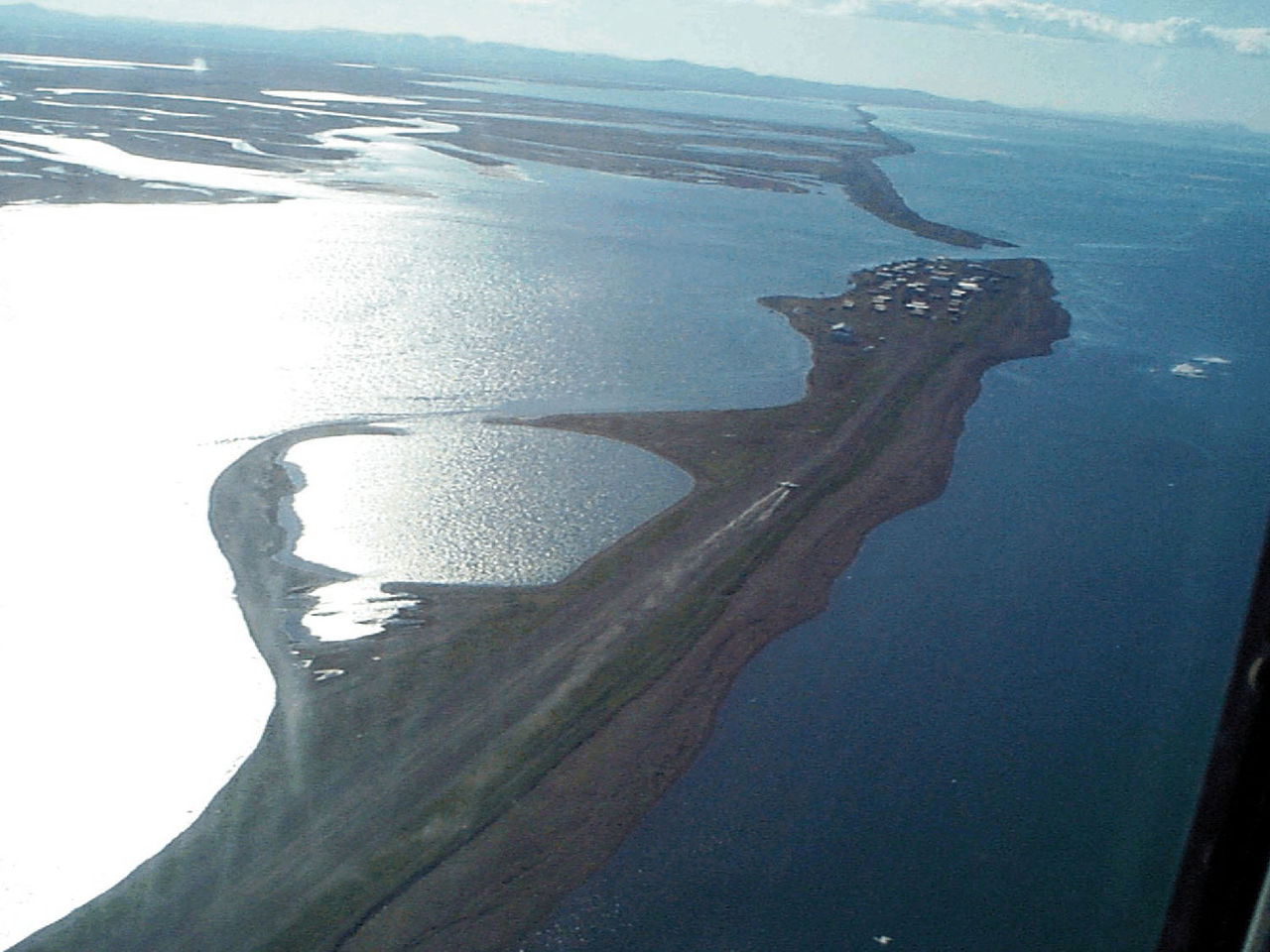


Geography and environment
The settlement occupies a narrow barrier island that separates the ocean from an interior lagoon and river mouth. Its position makes it vulnerable to storm surge, wave action, permafrost thaw, and reduced seasonal sea ice, all of which have accelerated shoreline retreat and damaged infrastructure in recent decades.
People and culture
Kivalina is predominantly inhabited by Inupiat residents who maintain a subsistence lifestyle centered on hunting, fishing and gathering marine and terrestrial resources. Traditional knowledge, language and seasonal movements remain important in daily life and in planning responses to environmental change.
History and notable legal action
The village has a long Indigenous history in the region. In the 21st century Kivalina drew national and international attention when local leaders pursued legal and political efforts to seek compensation and relocation assistance related to climate-related damages. Those efforts highlighted legal, financial, and logistical challenges associated with relocating entire communities.
Challenges, responses and infrastructure
Kivalina faces complex challenges: coastal erosion, limited access to overland transportation, and high costs for construction and maintenance in the Arctic. The community is served by small aircraft and seasonal marine access; utilities and public buildings are modest and subject to damage from storms and ground instability. Proposals to move the village to a safer mainland site have been discussed for years but remain constrained by funding, planning and environmental reviews.
Significance and notable facts
- Often referenced in studies of climate change impacts on Arctic communities.
- Represents the intersection of Indigenous rights, environmental science, and public policy.
- Maintains strong subsistence traditions despite modern pressures and adaptation needs.
Kivalina's situation illustrates broader issues facing many low-lying Arctic settlements: balancing cultural continuity, community safety, and limited resources while navigating complex state, federal and sometimes international attention to adaptation and relocation.
Related articles
Author
AlegsaOnline.com Kivalina, Alaska Leandro Alegsa
URL: https://en.alegsaonline.com/art/53876