
Kit (association football)
The kit is the standard clothing and equipment worn by football players: its parts, regulation under the Laws of the Game, history, commercial role, and notable distinctions.
Overview
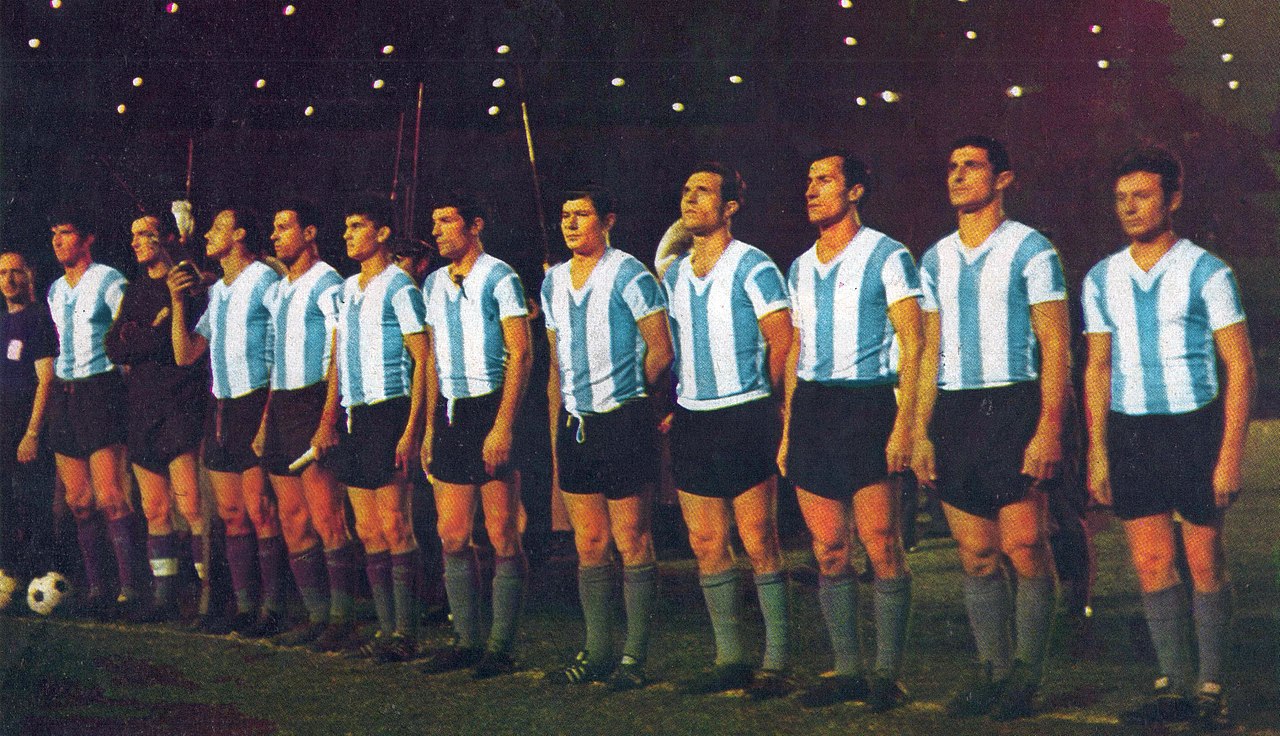
In association football the term "kit" (also called a "strip" and in North American English a uniform) refers to the standard clothing and basic protective equipment players wear during matches. A team's kit identifies its colours and badge, helps distinguish opponents on the pitch, and is covered by both competition rules and broader commercial agreements.
Image gallery
10 Images




Typical components
The basic elements of a playing kit are straightforward and widely recognised. Most teams and players use:
- Shirt (jersey) — club or national colours, often showing badge, number and sometimes player name.
- Shorts — matching or complementary to the shirt.
- Socks — long socks that cover shin guards, usually in team colours.
- Footwear — studs or blades suitable for the playing surface.
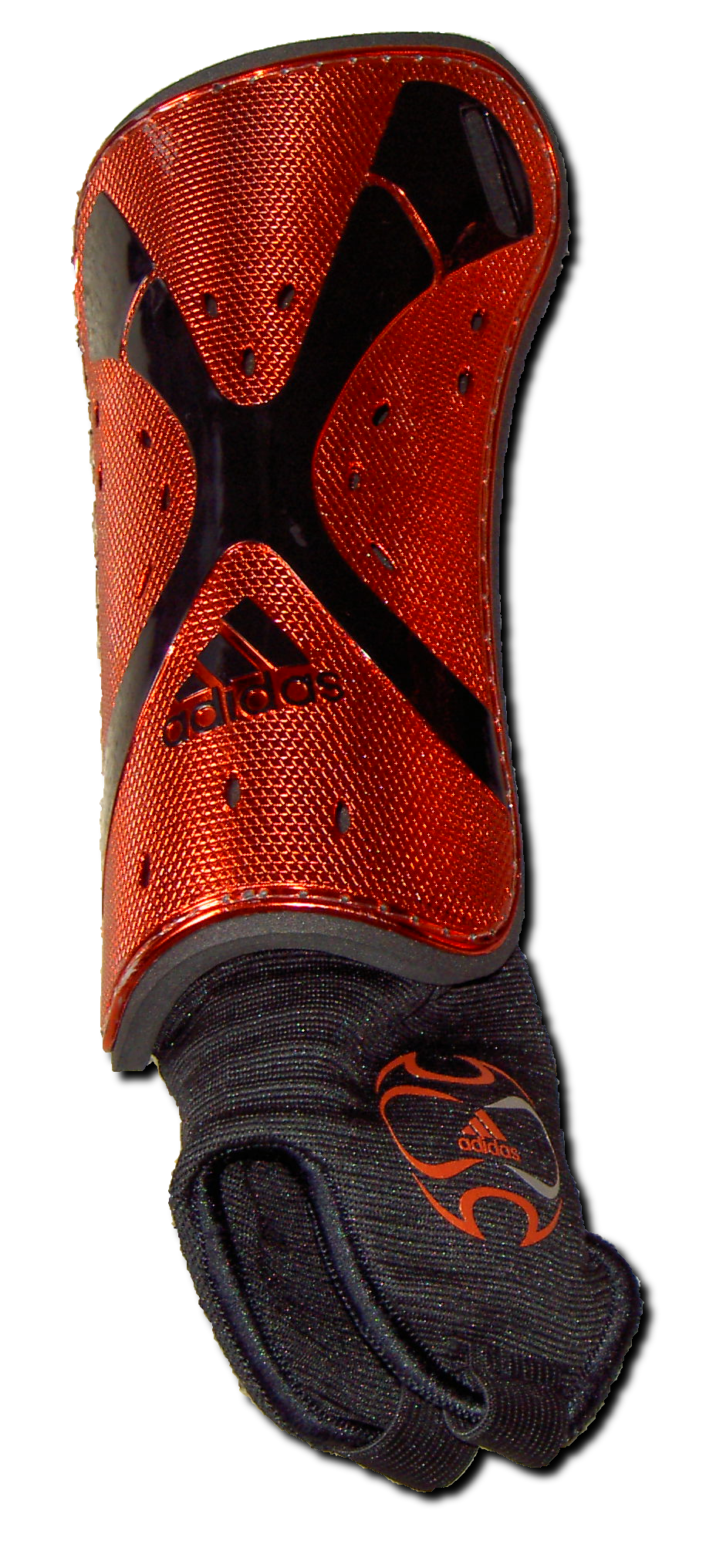
- Shin guards — mandatory protective item under the Laws of the Game.
History and development
Early football attire resembled everyday clothing and heavier fabrics. Over time shirts became standardized with club colours and, later, fixed numbers to identify players. In the later 20th century synthetic materials, sponsorship logos and multiple kits (home, away, third) became common, driven by practical needs to avoid colour clashes and by commercial opportunities.
Regulations and distinctions
The Laws of the Game, maintained by the sport's rule-making body, set minimum kit requirements and state that teams must be clearly distinguishable from each other and the match officials. Goalkeepers must wear colours that distinguish them from both teams. Competition organisers may add further restrictions about numbers, names, advertising, or the use of special items for medical reasons.
Commercial and cultural significance
Kits are a major part of club identity and fan culture: replica shirts are popular merchandise, and seasonal kit releases can be significant revenue sources. At the same time, kit choices sometimes spark debate over tradition, sponsorship, political messages or environmental concerns related to manufacturing and rapid product turnover.
Notable facts
Terminology varies by region: "kit" and "strip" are common in British English, while "uniform" is more often used in North American contexts. Clubs now commonly have several distinct kits to satisfy broadcast, regulatory and marketing needs, and modern fabric technology focuses on lighter, breathable materials to improve player comfort and performance.
Related articles
Author
AlegsaOnline.com Kit (association football) Leandro Alegsa
URL: https://en.alegsaonline.com/art/53830