
Kiteboarding (Kitesurfing): overview, equipment, styles and safety
Kiteboarding (kitesurfing) is a wind-powered watersport in which a rider is pulled across water by a controllable kite. This article covers equipment, common styles, learning, safety, conditions and environmental considerations.
Overview
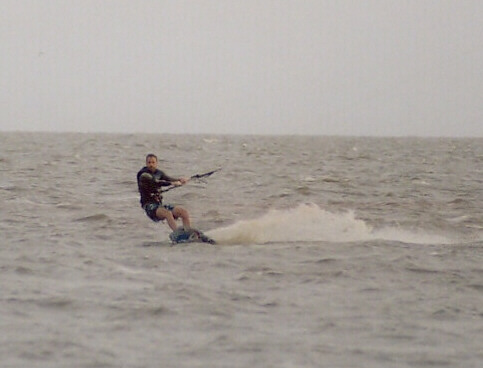
Kiteboarding, often called kitesurfing, is a wind-driven watersport in which a rider stands or rides on a board and is pulled across the water by a large, controllable kite. The sport combines elements of surfing, windsurfing, paragliding and wakeboarding. Riders use the kite to generate speed, perform jumps and aerial maneuvers, ride waves, or travel across flat water. Equipment and technique allow kiteboarding to be practiced on oceans, bays, lakes and even on snow or land with adapted boards.
Image gallery
10 Images




Equipment and how it works
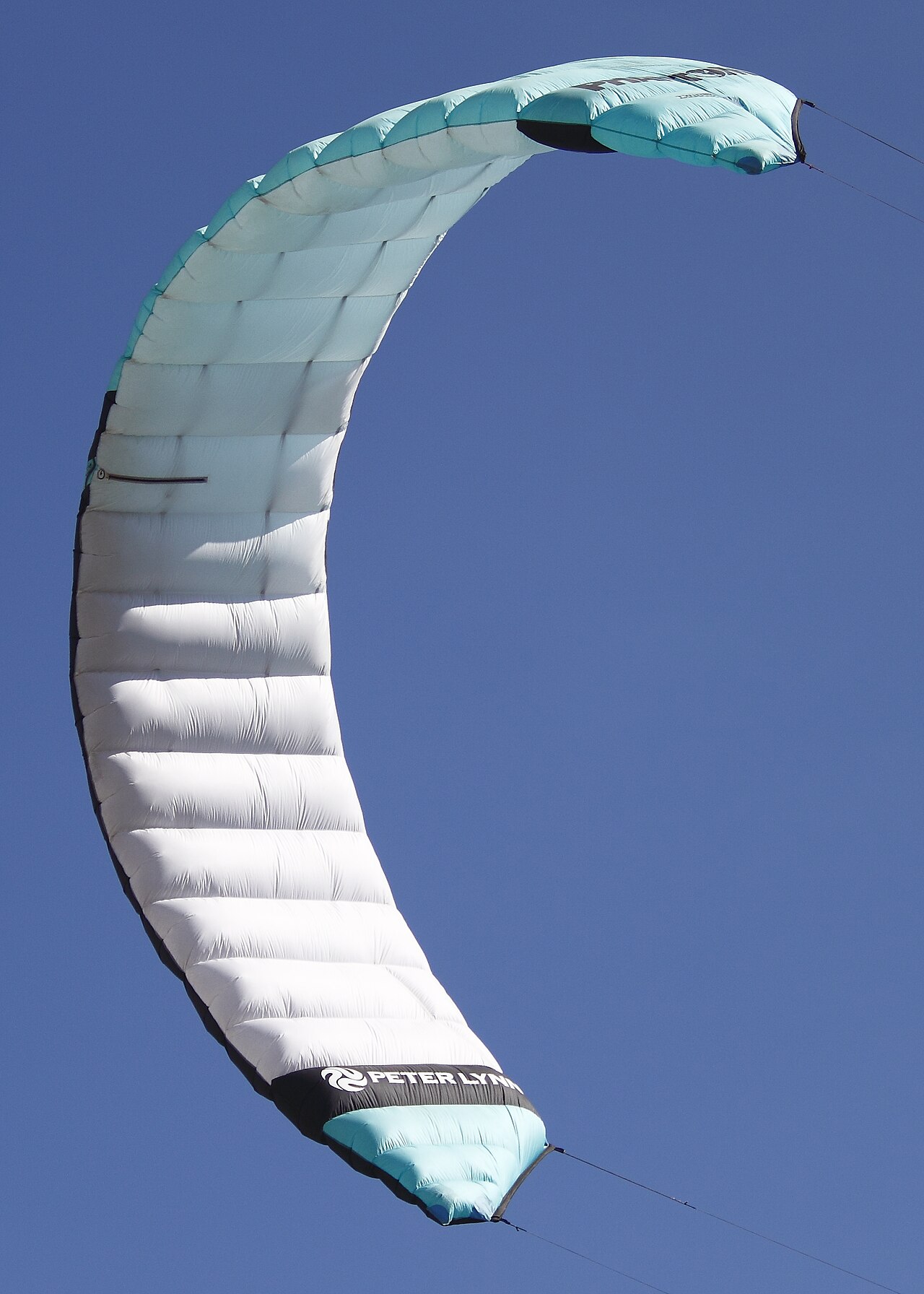
Core equipment includes the kite, control bar and lines, a harness worn by the rider, and a board. Kites act like wings: by sheeting in or out and by changing kite position in the wind window, riders control pull and direction. The harness transfers much of the kite's load from the arms to the riderʼs hips or waist, allowing longer sessions and more precise control. Modern control systems include safety releases to depower or detach the kite in an emergency.
- Kites: inflatable leading-edge kites are common for water; foil kites are lighter and often used in light wind or foil-board setups. Kites vary by shape, bridle, and number of lines, which affect handling and power.
- Control bar and lines: bars typically use 4 or 5 lines and include a depower strap and quick-release. Line length influences turning speed and angle of attack.
- Harness: waist and seat harnesses change how load is distributed; waist harnesses are most popular for freeride and freestyle.
- Boards: twin-tip boards are versatile and common; directional boards are used for wave riding; foil boards allow efficient lift and light-wind performance.
Styles and disciplines
Several disciplines have emerged to suit conditions and rider goals. Freeride emphasizes accessible riding and unhooked or hooked jumps. Freestyle centers on technical tricks, spins and handle-passes. Wave riding uses directional boards and kites suited to surf conditions. Big air aims for maximum height and hang time, while wakestyle borrows features from wakeboarding with rails and unhooked tricks. Foilboarding has grown as a separate discipline because foils allow upwind travel and performance in lighter winds.
Learning, skills and safety
Beginners are strongly advised to take lessons from certified instructors to learn wind assessment, rigging, launching and landing procedures, self-rescue techniques and the use of quick-release systems. Common safety elements include an emergency quick-release on the bar, a leash system that may be used or not depending on local practice, a helmet, and impact protection or flotation. Understanding right-of-way rules on the water, local hazards, and weather forecasting reduces risk. Practiced self-rescue and detangling of lines are essential skills.
Conditions, sites and planning
Good kite spots combine consistent wind, suitable launch zones and clear water areas free of swimmers and obstacles. Onshore and cross-shore winds are generally safer for launching and landing than offshore winds. Tides, currents, reef and submerged hazards shape equipment choice and tactics. Many regions have marked launch areas and local regulations to protect swimmers, wildlife and property; riders should follow local rules and respect other water users.
History and community
The modern sport developed in the late 1990s with the refinement of inflatable kites and safety systems that made water starts practical. Since then, advances in kite design, materials and training have broadened participation. Organized events, trade associations and manufacturer-sponsored safety programs have supported growth. At times estimates of participant numbers and equipment sales are used to track the sport's development in the equipment market and industry reports.
Environmental and regulatory considerations
Kiteboarders share responsibility for minimizing environmental impact. This includes avoiding disturbance to shorebird nesting areas and marine life, keeping clear of sensitive reefs, and following local guidelines for launch zones. Many communities balance recreational access with conservation by designating specific kite zones and seasonal restrictions.
Competitions and culture
Competition formats range from freestyle and big air events to racing and foil-specific series. Recreationally, kiteboarding communities form around coastal and inland wind-sport locations, with schools, clubs and local groups sharing spot reports, safety advice and environmental stewardship practices.
Further reading and resources
For practical guidance, consult certified schools and local clubs; many provide courses, spot briefings and safety information at instructional centers. Gear reviews and buying guides can be found via manufacturer and review sites at manufacturer and review sites. Industry surveys, standards and safety guidance are available from professional associations and trade bodies at professional associations.
Questions and answers
Q: What is kite surfing?
A: Kite surfing or kiteboarding is a water sport that uses the wind to pull a rider on the water surface on a small surfboard or a kiteboard.
Q: What does a kitesurfer need to do the sport?
A: A kitesurfer uses a board with or without foot-straps or bindings, combined with the power of a large controllable kite to propel the rider and the board across the water.
Q: Are there different styles of kiteboarding?
A: Yes, there are a number of different styles of kiteboarding such as waveriding, freestyle, freeride, jumping, and cruising.
Q: How many kitesurfers were estimated in 2006?
A: In 2006, the number of kitesurfers has been estimated at around 150,000 to 210,000.
Q: How many inflatable kites were sold in 2006?
A: In 2006, 114,465 inflatable kites were sold.
Q: What is waveriding in the context of kiteboarding?
A: Waveriding is a style of kiteboarding designed to suit kitesurfers and conditions.
Q: What are some other styles of kiteboarding?
A: Some other styles of kiteboarding include freestyle, freeride, jumping, and cruising.
Related articles
Author
AlegsaOnline.com Kiteboarding (Kitesurfing): overview, equipment, styles and safety Leandro Alegsa
URL: https://en.alegsaonline.com/art/53852
Sources
- sbckiteboard.com : SBC Kiteboard Magazine 2006 industry survey
- sbckiteboard.com : Sessions with Susi- Episode 10 Susi visits Maui to meet up with Jason, Alby, Reo & Pete