
KNVB Cup (Dutch national football cup)
The KNVB Cup is the Netherlands' principal national knockout football competition, organized by the KNVB since 1899. It includes professional and amateur clubs and traditionally finishes with a final at De Kuip.
The KNVB Cup, commonly known in Dutch as the KNVB beker, is the principal national knockout football tournament in the Netherlands. Organized by the Royal Dutch Football Association (KNVB), the competition has been staged since the end of the 19th century and follows a classic cup format inspired by the English FA Cup. It is widely referred to outside the country as the Dutch Cup and is one of the most important domestic trophies in Dutch football.
Image gallery
1 Image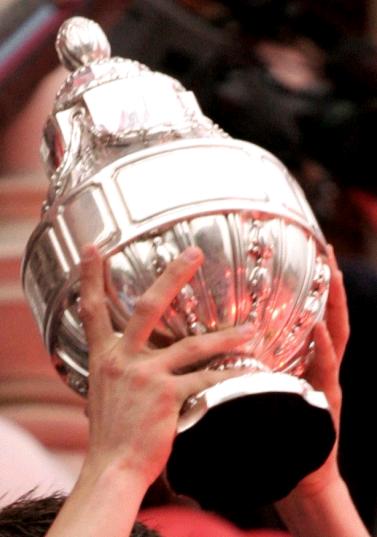
Format and qualification
The KNVB Cup is a knockout competition that brings together clubs from the professional leagues and selected teams from the amateur ranks. Professional clubs from the top tiers—including sides from the Eredivisie and the Eerste Divisie—enter alongside regional cup winners and qualifying amateur clubs. Match-ups are determined by draw, and ties are decided on the day, typically by extra time and, where required, penalty shoot-outs.
- Early rounds feature many amateur and semi-professional teams, giving smaller clubs the chance to face top-level opposition.
- Later rounds narrow the field to a small number of teams that contest single-match eliminations until a champion is crowned.
- The cup winner traditionally earns a place in European club competition, providing an additional incentive beyond national honour.
History and development
The competition traces its roots to the late 1800s and has evolved in structure and participation as Dutch football professionalized. Its organization by the KNVB established a national knockout cup that paralleled similar cup competitions elsewhere in Europe. Since the late 20th century the final has commonly taken place at De Kuip in Rotterdam, which has become closely associated with the cup final atmosphere and pageantry.
Significance and role in Dutch football
The KNVB Cup serves several roles: it is a major domestic trophy, a route into European tournaments for the winner, and a showcase where amateur clubs can compete against the country’s leading professional teams. The competition is valued for the unpredictability that cup football offers—occasional upsets and memorable single-match performances are a recurring theme. The cup winner traditionally contests the Johan Cruijff Shield at the start of the next season against the national league champion, creating a bridge between domestic cup success and the opening fixture of the following campaign.
Notable features and distinctions
Several characteristics distinguish the KNVB Cup from league play: its single-elimination format, broad participation across tiers, and the ceremonial importance of the final. Major Dutch clubs have historically been prominent in the competition, but the open nature of the draw ensures opportunities for lesser-known clubs to achieve national recognition. For details on current entry rules and the season schedule, consult official KNVB sources and competition documents.
For more information about the KNVB Cup's governance, fixtures and historical records, see the Royal Dutch Football Association and related competition pages maintained by the KNVB and domestic league organisations.
Questions and answers
Q: What is the KNVB Cup?
A: The KNVB Cup is a competition in the Netherlands organized by the Royal Dutch Football Association (KNVB) since 1899. It is based on the format of the English FA Cup and is often referred to as the Dutch Cup outside of the Netherlands.
Q: Who participates in the tournament?
A: The tournament consists of all teams from the top two leagues of Dutch football (the Eredivisie and Eerste Divisie), as well as the top four teams from each of six third tier Hoofdklasse, while remaining teams are drawn from fourth tier Eerste Klasse.
Q: Where does the final usually take place?
A: The finals of the tournament usually takes place in De Kuip, and has been held there every season since 1988.
Q: What do winners compete for?
A: The winners of cup compete against winners of Eredivisie for Johan Cruijff Shield, which is first game following season.
Q: How long has this competition been running?
A: This competition has been running since 1899.
Q: What league do most participants come from?
A: Most participants come from either Eredivisie or Eerste Divisie leagues.
Q: How many tiers are represented in this tournament?
A:This tournament represents four tiers - two top leagues (Eredivisie and Eerste Divisie), six third tier Hoofdklasse, and fourth tier Eerste Klasse.
Related articles
Author
AlegsaOnline.com KNVB Cup (Dutch national football cup) Leandro Alegsa
URL: https://en.alegsaonline.com/art/54050