
Kishon River
A coastal river in northern Israel, the Kishon flows from the Samaria hills to the Mediterranean; notable for biblical mentions, heavy industrial pollution in the 20th century, and extensive restoration efforts begun in 2010.
Overview
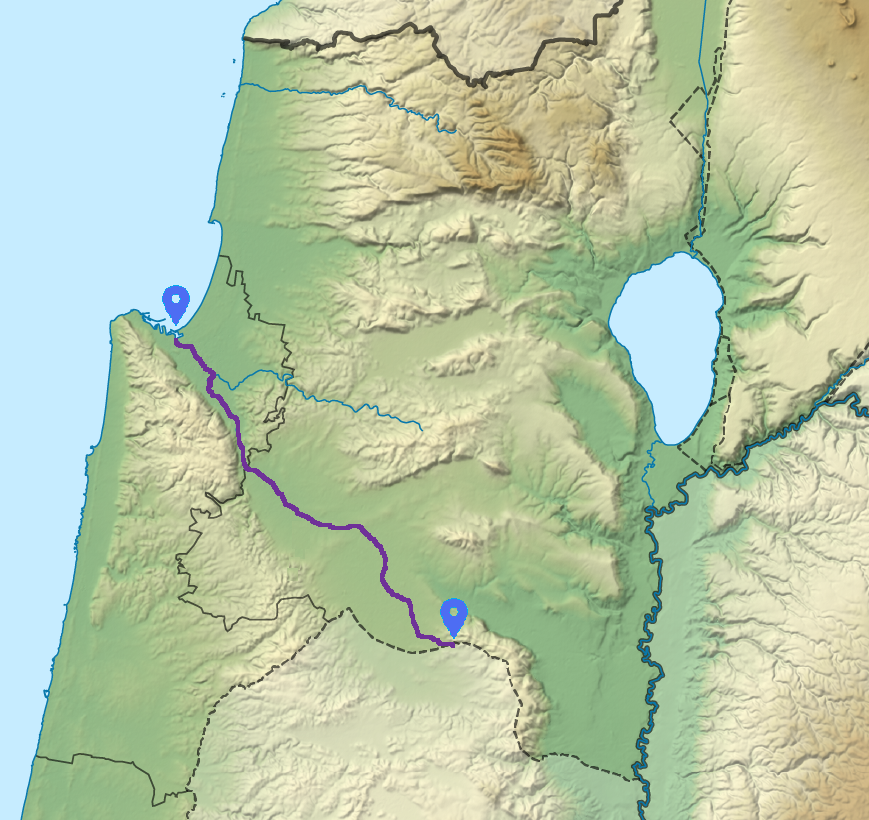
The Kishon River is a prominent watercourse in northern Israel, running westward to the Mediterranean Sea. It is often cited as the second largest river on Israel's Mediterranean shoreline. The river and its valley have long shaped local geography, economy and settlement patterns, and continue to be the focus of environmental and urban development initiatives.
Image gallery
6 Images


Geography and course
The Kishon rises in the hills of Samaria and traverses agricultural plains including the Jezreel Valley before skirting the northern side of Mount Carmel. Its channel and tributaries collect surface runoff from surrounding highlands and irrigated land, and the river discharges into the Mediterranean near the coastal plain. Seasonal flows historically fluctuated with Mediterranean rainfall patterns.
History and cultural significance
The river is mentioned in ancient sources and holds a place in the Hebrew Bible. References appear in the Book of Judges, and the Kishon is linked in tradition with episodes recorded in the Judges narrative. Over centuries the river corridor has hosted settlements, agriculture and routes of travel between inland valleys and the coast.
Industrialization and environmental decline
From the late 19th and especially the 20th century, industrial facilities and expanding urban areas along the lower Kishon discharged effluents into the river. Textile, chemical and other manufacturing activities, together with municipal wastewater, led to heavy contamination of water and sediments. For many years the Kishon was described as one of Israel's most polluted rivers, with impacts on aquatic life, soil quality and public health.
Restoration and rehabilitation efforts
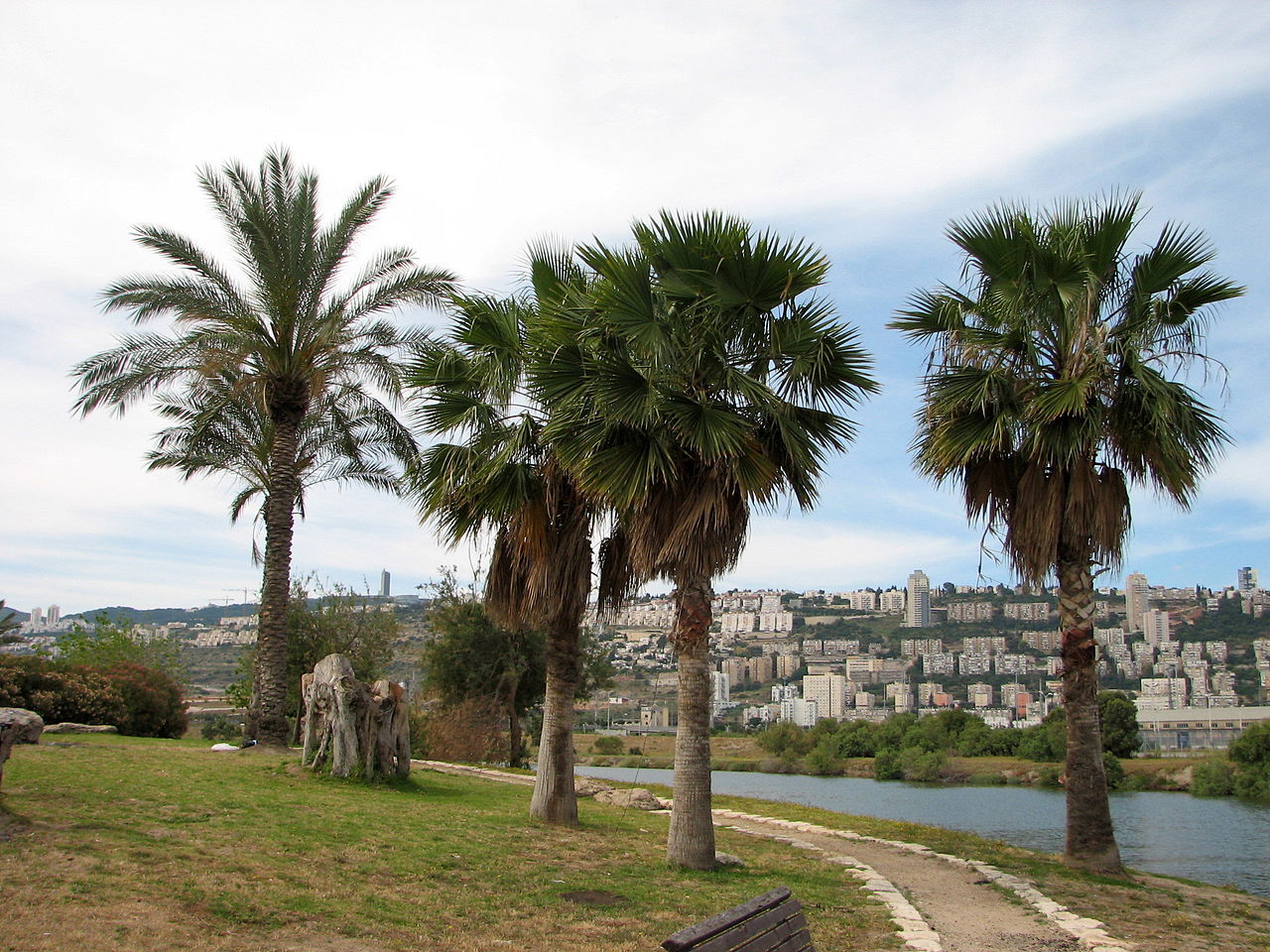
Recognizing the river's degraded condition, authorities and community groups began coordinated clean-up and remediation efforts in the 21st century. In 2010 the government launched a large-scale rehabilitation project intended to address pollution sources, remove or cap contaminated sediments, improve wastewater treatment and restore riparian habitats. That program also included plans for an extensive public urban park along parts of the riverbank to provide recreation and ecological corridors.
Current importance and outlook
Work on the Kishon has combined environmental engineering, legal measures to reduce industrial discharges and landscape planning to reconnect people with the river. Progress has led to measurable improvements in water quality in some stretches and renewed attention to biodiversity and flood management. The river now illustrates challenges and opportunities common to urban rivers worldwide: reconciling industrial legacy with ecological recovery, preserving cultural memory, and creating accessible green space for nearby communities.
Key aspects
- Geography: flows from the Samaria hills through the Jezreel Valley to the Mediterranean.
- Culture: cited in biblical texts and regional history.
- Environmental history: suffered severe industrial pollution; subject of major cleanup starting in 2010.
- Future aims: habitat restoration, recreation, pollution control and sustainable urban integration.
Selected restoration actions
- Reduction of point-source pollution and stricter industrial controls.
- Removal, containment or stabilization of contaminated sediments.
- Construction of treatment facilities and nature-based solutions for water purification.
- Creation of river-edge parks and trails to improve access and stewardship.
For more information and project updates see local authorities and research sources linked externally: Kishon River overview, regional environmental agencies and planning documents available through official portals such as project reports and historical summaries (regional context, coastal setting, Mount Carmel area).
Related articles
Author
AlegsaOnline.com Kishon River Leandro Alegsa
URL: https://en.alegsaonline.com/art/53810