
Klamath County, Oregon
Klamath County is a large, rural county in southern Oregon centered on Klamath Falls, named for the Klamath people and known for lakes, rivers, high desert, timber, agriculture and significant water issues.
Klamath County lies in southern the U.S. state of Oregon. The county is named for the Klamath people, a Native American group that inhabited the basin long before Euro‑American contact. Its administrative center and largest city is the Klamath Falls, which serves as the county seat and commercial hub for the surrounding agricultural and forested lands.
Image gallery
3 Images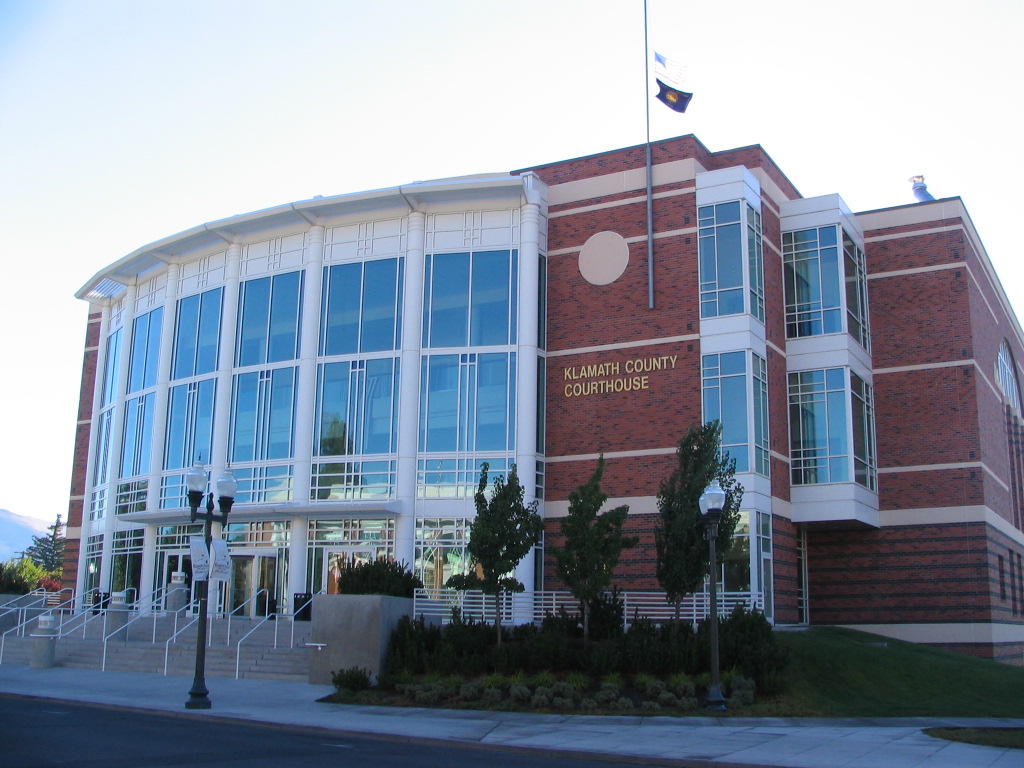


Geography and environment
The county covers a varied landscape of high desert plateaus, broad shallow lakes and river valleys framed by volcanic mountain ranges. Major water features include the Upper Klamath Lake and the Klamath River drainage, which sustain wetlands important to migrating birds. Much of the area is characterized by volcanic soils, seasonal marshes, and a mix of pine forests and irrigated farmland.
History and people
The basin was home to indigenous peoples for thousands of years and later encountered European explorers and settlers. The county developed in the late 19th century as railroads and resource industries expanded into southern Oregon. Today its population includes long‑established rural communities, Native American tribal members, and residents drawn by outdoor recreation and natural‑resource work.
Economy and land use
Economic activity in the county has traditionally centered on timber, ranching and irrigated agriculture, with growing contributions from tourism and outdoor recreation. The basin supports waterfowl refuges and fisheries important for both local livelihoods and wildlife. Management of water for farms, fish and wetlands has been a persistent and sometimes contentious issue, resulting in high‑profile disputes over allocation and endangered species protections in the early 21st century.
Recreation and notable features
- Birdwatching and wildlife at the Klamath Basin refuges and wetlands.
- Fishing, boating and lakeside recreation on Upper Klamath Lake and tributaries.
- Access to forested mountain trails and nearby national parks and scenic areas.
Visitors and residents alike value Klamath County for its wide skies, seasonal wetlands and outdoor opportunities. For deeper historical or administrative details about the county and its communities, consult regional guides or the county's official resources about the region.
Questions and answers
Q: What is the name of the county in Oregon?
A: The county is called Klamath County.
Q: What Native American tribe lived in the area that became Klamath County?
A: The Klamath tribe of Native Americans lived in the area that became Klamath County.
Q: When did the first European explorers find the region?
A: The first European explorers found the region inhabited by the Klamath tribe of Native Americans.
Q: How many people lived there as of 2010?
A: As of 2010, 66,380 people lived in Klamath County.
Q: What is the county seat of Klamath County?
A: Klamath Falls is the county seat of Klamath County.
Q: Why was the county named after the Klamath?
A: The county was named after the Klamath tribe of Native Americans who lived in the area when the first European explorers found the region.
Q: Where is Klamath County located?
A: Klamath County is located in the U.S. state of Oregon.
Related articles
Author
AlegsaOnline.com Klamath County, Oregon Leandro Alegsa
URL: https://en.alegsaonline.com/art/53905
Sources
- census.gov : "Population of Counties by Decennial Census: 1900 to 1990"