
Kleptocracy
A political system where those in power systematically steal public assets for private gain; causes, mechanisms, history, economic effects, and anti‑corruption responses.
Kleptocracy denotes a form of rule in which public officeholders use state power to appropriate wealth and resources for private benefit. Unlike isolated acts of corruption, kleptocracy describes a sustained system in which extraction of public funds, natural resources, or state-controlled revenues becomes a central objective of governance. It is a descriptive term applied by analysts, journalists and scholars to governments or regimes whose leaders enrich themselves, their families, and their networks through official authority.
Image gallery
4 Images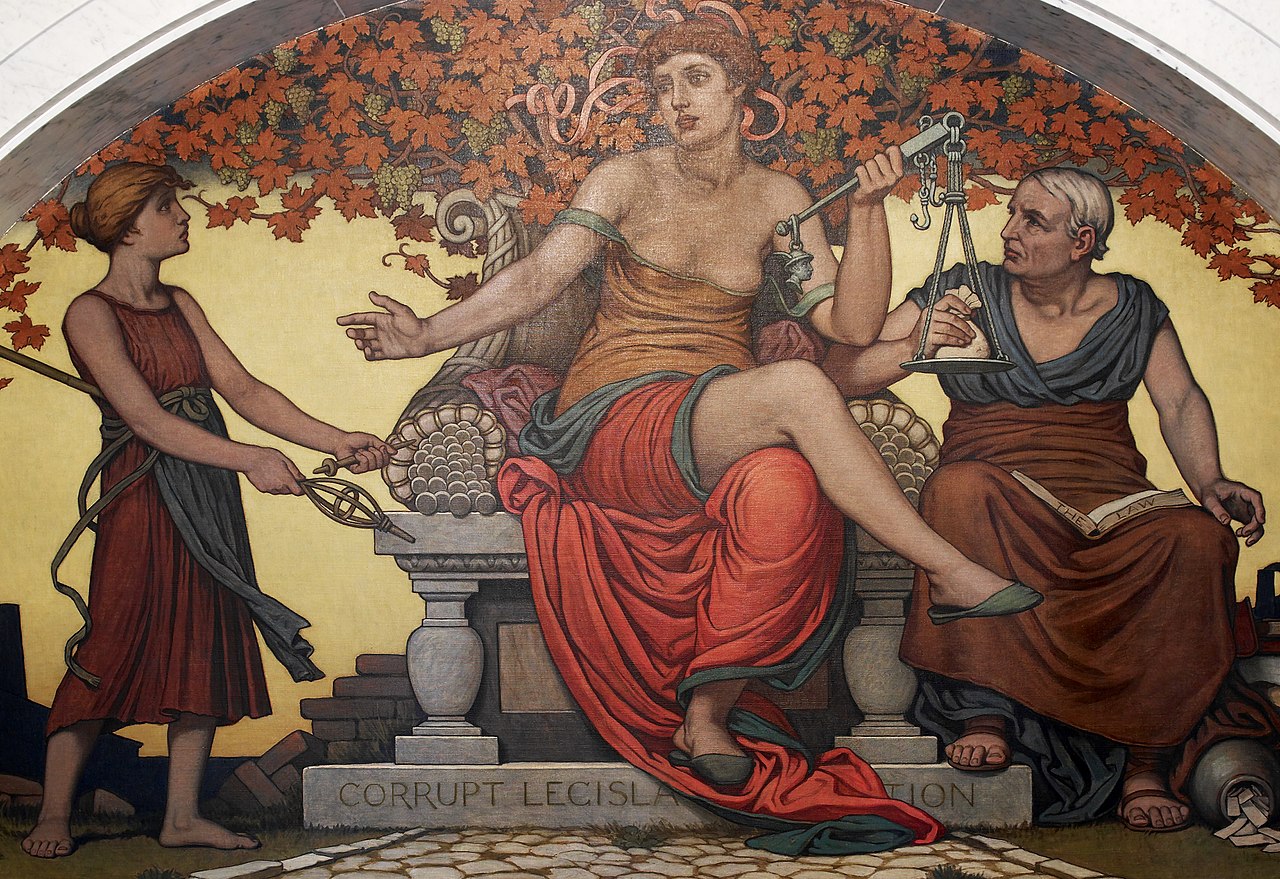


Characteristics and common mechanisms
Kleptocratic systems display a set of recurring features that make theft of public wealth both possible and persistent:
- Institutional capture: key checks—courts, legislatures, auditors and media—are weakened or co-opted to prevent oversight.
- Patronage networks: appointments, contracts and licenses are traded for loyalty and personal profit rather than public service.
- Opaque finance: use of shell companies, offshore accounts, false invoicing and trade manipulation to move and hide assets.
- Control of natural resources: revenues from oil, minerals or other commodities are diverted into private accounts instead of public budgets.
- Legal veneer: laws or decrees may be used to legitimize transfers of wealth or immunize officials from prosecution.
Etymology and usage
The word combines the Greek root klepto- (from the term for theft) and the suffix -cracy (rule). References to the term often note its origin in Ancient Greek vocabulary. In modern discourse the adjective kleptocratic is commonly used to describe a government or economy dominated by such extraction. Journalists and commentators have applied the label to a range of regimes and situations when systemic looting of the public purse is evident.
History and examples
The phenomenon is not new: rulers throughout history have diverted public revenues and tribute for private use. In the modern era, academics and policy analysts have highlighted kleptocratic patterns in both colonial and post‑colonial settings, in authoritarian states and in countries with abundant natural resources. Analysts may describe an economy as kleptocratic when state institutions are organized primarily to channel wealth to an elite rather than to provide public goods or development for the population.
Consequences and remedies
Kleptocracy undermines economic growth, deepens inequality, erodes trust in institutions and often fuels instability or conflict. Common responses include strengthening transparency and public financial management, enforcing anti‑money‑laundering rules, pursuing international asset recovery, supporting independent media and civil society, and applying targeted sanctions against individuals involved in large‑scale corruption. Because the practice is systemic, remedies typically require legal, financial and political reforms implemented over time.
Distinguishing kleptocracy from related terms can clarify discussion: unlike a mere plutocracy (rule by the wealthy) or sporadic corruption, kleptocracy emphasizes the use of official authority to extract state resources as a central objective of those in power. It is primarily a descriptive category used for analysis and advocacy rather than a narrowly defined legal offense. For broader context on how the term is used in reporting and scholarship, see further discussion.
Related articles
Author
AlegsaOnline.com Kleptocracy Leandro Alegsa
URL: https://en.alegsaonline.com/art/53936