
Kim Seok-ju (1634–1684): Joseon Confucian Scholar, Writer and Official
Confucian scholar, writer and Joseon Dynasty official (1634–1684). Known by penname Shigam and style name Sabaek, he left collections of essays and poetry and was active in mid‑17th century court affairs.
Overview
Kim Seok-ju (1634 – September 20, 1684) was a Korean Confucian scholar, writer and government official during the Joseon Dynasty. He is commonly identified in Korean sources by his Hangul name 김석주 and by the Chinese characters 金錫冑. His scholarly penname was Shigam (식암, 息庵) and his style name was Sabaek (사백, 斯百). He belonged to the literati class that combined Confucian learning with service in the royal bureaucracy.
Image gallery
2 Images
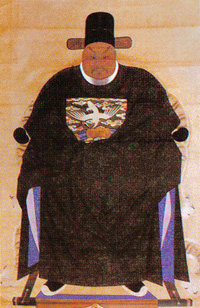
Family and connections
Kim Seok-ju is noted in genealogical records as an elder cousin of Queen Myeongseong and as a paternal first cousin once removed of King Sukjong. These kinship ties placed him within the extended network of families that influenced court appointments and scholarly patronage in seventeenth‑century Joseon.
Intellectual profile and career
As a Confucian scholar, Kim contributed to the study and practice of Neo‑Confucianism that formed the ideological backbone of Joseon governance. Scholars of his standing typically engaged in classical learning, commentary, moral instruction and the drafting of memorials and policy advice for the throne. Kim served in official posts of the central administration, where his role combined administrative duties with moral and intellectual responsibilities expected of a yangban scholar‑official.
Writings and literary legacy
Kim Seok-ju is remembered for his literary output: essays, poetry, correspondence and official documents. Collections of his works have been preserved under titles associated with his penname; for example, manuscript and printed compilations are often referred to collectively as Shigamjip (식암집). These materials provide historians and literary scholars with examples of mid‑Joseon prose style, ethical argumentation and the everyday concerns of court intellectuals.
Historical context and importance
Kim lived during a period marked by intense scholarly activity and factional politics within the Joseon court. While specific partisan affiliations are not the primary focus here, his dual role as scholar and official illustrates how intellectual authority and governmental service intersected. His surviving writings are valuable for understanding the practical application of Confucian norms to statecraft and personal conduct in his era.
Further reading
- Basic biographical entries and name variants: 김석주, 金錫冑.
- General context on Joseon Confucian scholars: Confucian scholar.
Kim Seok-ju's combination of familial ties, official service and preserved writings makes him a representative figure for the study of scholar‑official culture in seventeenth‑century Korea.
Related articles
Author
AlegsaOnline.com Kim Seok-ju (1634–1684): Joseon Confucian Scholar, Writer and Official Leandro Alegsa
URL: https://en.alegsaonline.com/art/53464