
Kim Seong‑Su: educator, publisher and statesman (1881–1955)
Kim Seong‑Su (Inchon) was a Korean educator, entrepreneur, journalist and political leader who founded major institutions including Dong-A Ilbo and Korea University and served in high government office.
Overview
Kim Seong‑Su (Korean: 김성수; Hanja: 金性洙, October 11, 1881 – February 18, 1955), commonly known by his pen name Inchon (인촌; 仁村), was a prominent Korean educator, publisher, industrialist and politician. He played a central role in Korea’s modern educational and media institutions in the first half of the 20th century and held senior government office in the early years of the Republic of Korea.
Image gallery
5 Images


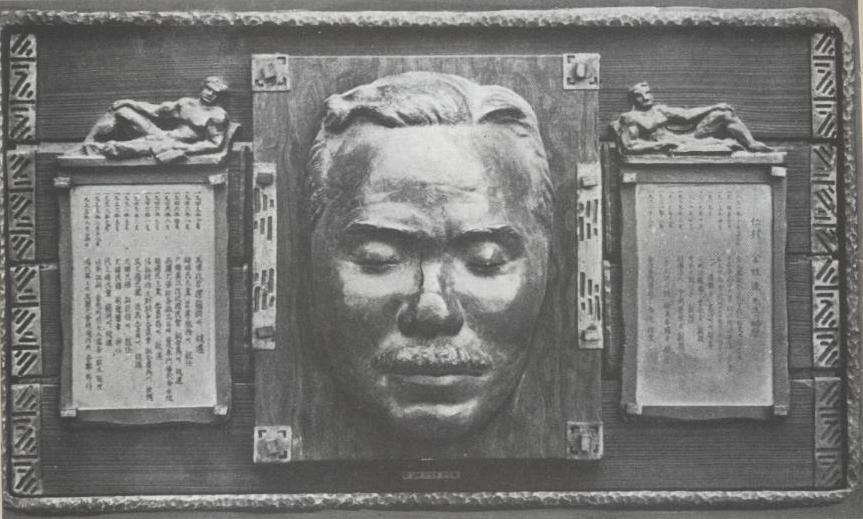

Career and founding of institutions
Kim combined business acumen and public-minded education reform. He founded and managed several organizations that became fixtures of Korean public life. His work included founding a major newspaper, establishing textile manufacturing to modernize Korean industry, and building an institution of higher learning that evolved into a leading private university.
- Media: He was a founder and early leader of the Dong‑A Ilbo, which grew into one of Korea’s influential daily newspapers and a platform for public debate and reformist ideas.
- Industry: He established Kyung‑Sung Textile (경성방직회사; 京城紡織會社), an enterprise aimed at fostering domestic manufacturing and employment.
- Education: He founded and supported the school that developed into Korea University (고려대학교; 高麗大學校), emphasizing modern curricula and preparation for national reconstruction.
Politics and public life
Alongside his business and educational work, Kim entered public service. He served in high-level national office during the formative years of the Republic of Korea, contributing to policy discussions about education, industry and national development. His political role reflected a conservative, institution-building outlook common among leaders who sought stability during a turbulent era.
Legacy and honors
Kim Seong‑Su’s legacy rests on the institutions he helped create and the public role he played as an educator and publisher. After his death in 1955 he was posthumously recognized by the state for contributions to the nation’s foundation. Students, journalists and historians remember him both for tangible institutions—newspapers, factories and a university—and for his influence on Korea’s transition to modern civic life.
Notable facts: he wrote under the name Inchon, combined private entrepreneurship with public service at a time when Korea was rebuilding, and left a mixed but broadly acknowledged legacy as a founder of key national institutions.
Questions and answers
Q: Who is Kim Seong-Su?
A: Kim Seong-Su was the second vice-president of the Republic of Korea and a politician, educationist, journalist, and founder of Kyung-Sung textile Co., the Dong-A Ilbo, and Korea University.
Q: When was Kim Seong-Su born?
A: Kim Seong-Su was born on October 11, 1881.
Q: When did Kim Seong-Su die?
A: Kim Seong-Su died on February 18, 1955.
Q: What was the Order of Merit for National Foundation given to Kim Seong-Su for?
A: The Order of Merit for National Foundation was given to Kim Seong-Su after he died, but the reason is not specified in the text.
Q: What was Kim Seong-Su's pen name?
A: Kim Seong-Su's pen name was Inchon.
Q: What did Kim Seong-Su found?
A: Kim Seong-Su founded Kyung-Sung textile Co., the Dong-A Ilbo, and Korea University.
Q: Was Kim Seong-Su only involved in politics?
A: No, in addition to being a politician, Kim Seong-Su was also an educationist, journalist, and founder of multiple institutions.
Related articles
Author
AlegsaOnline.com Kim Seong‑Su: educator, publisher and statesman (1881–1955) Leandro Alegsa
URL: https://en.alegsaonline.com/art/53465